Commercial Junk Removal in Dubai: Clearing Business Premises
The Junk Services Dubai Team 5 min read
Commercial junk removal covers any business premises rather than any one sector, and the constraint is never the furniture. It is trading hours, building approvals and the fact that the space has to be usable again on Monday. This guide explains how a business clearance runs in Dubai, which premises it covers, what building management needs from you, and where the service stops.
The items are not what separates a commercial job from a household one. A desk is easier to move than a wardrobe. What separates them is everything around the items.
A business premises has an owner, a landlord, a building management team and often a mall or free zone authority with rules about when goods can move and through which route. It also has a trading day that the clearance must not interrupt, and staff who need the space back in working order.
Access is granted rather than assumed, and usually approved in advance.
Work is timed around opening hours instead of around the crew's convenience.
Loading happens through a service route and a designated bay, not the customer entrance.
Volumes arrive in surges: a refit, a relocation, a lease ending, an equipment upgrade.
The premises has to be presentable again immediately, not just empty.
Which Business Premises This Covers
Commercial junk removal spans every kind of business space in Dubai, and each type brings its own constraint.
Retail units and showrooms: Shelving, display fixtures, mannequins, counters and stockroom racking, usually cleared between trading days or overnight in a mall.
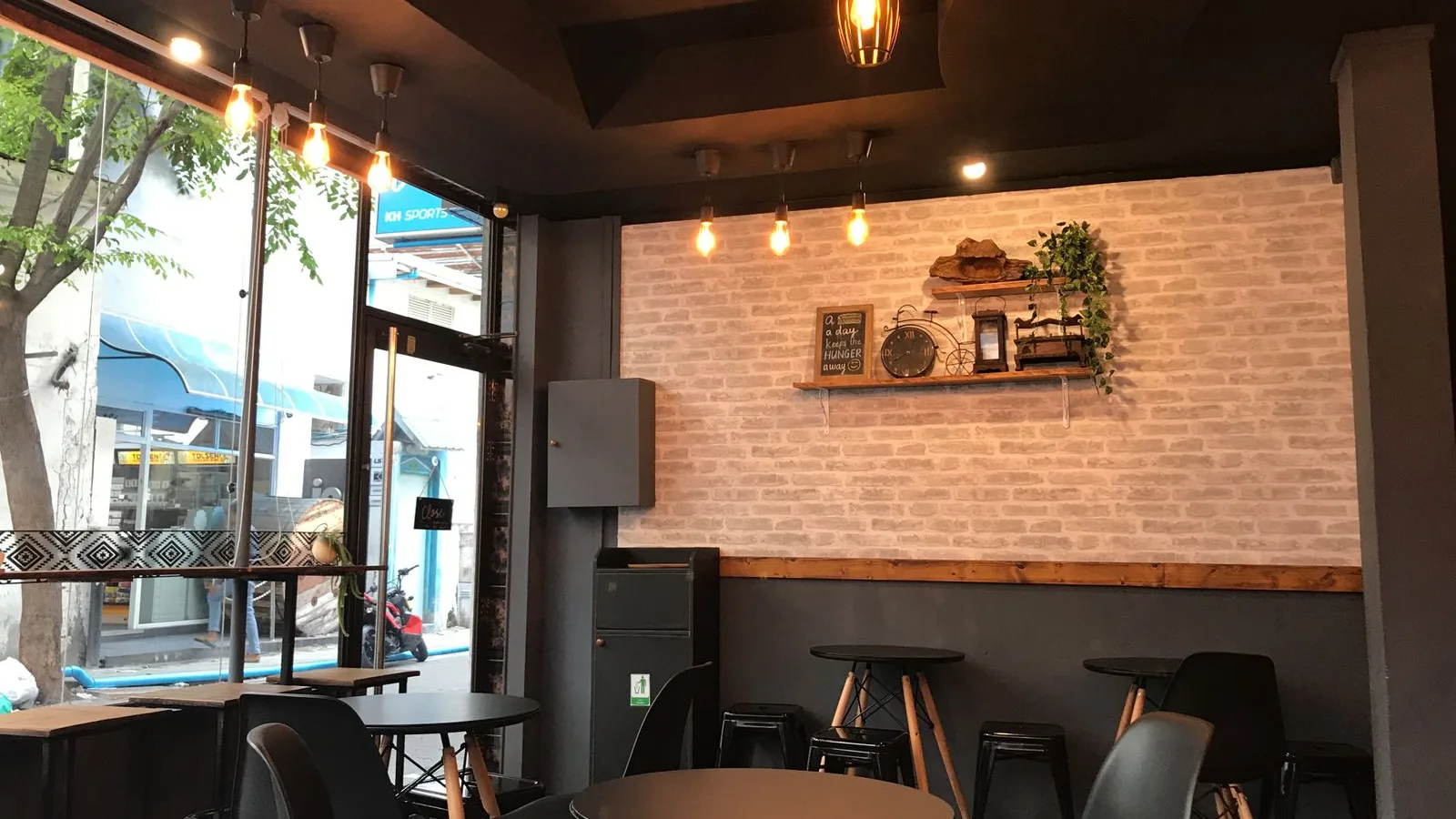
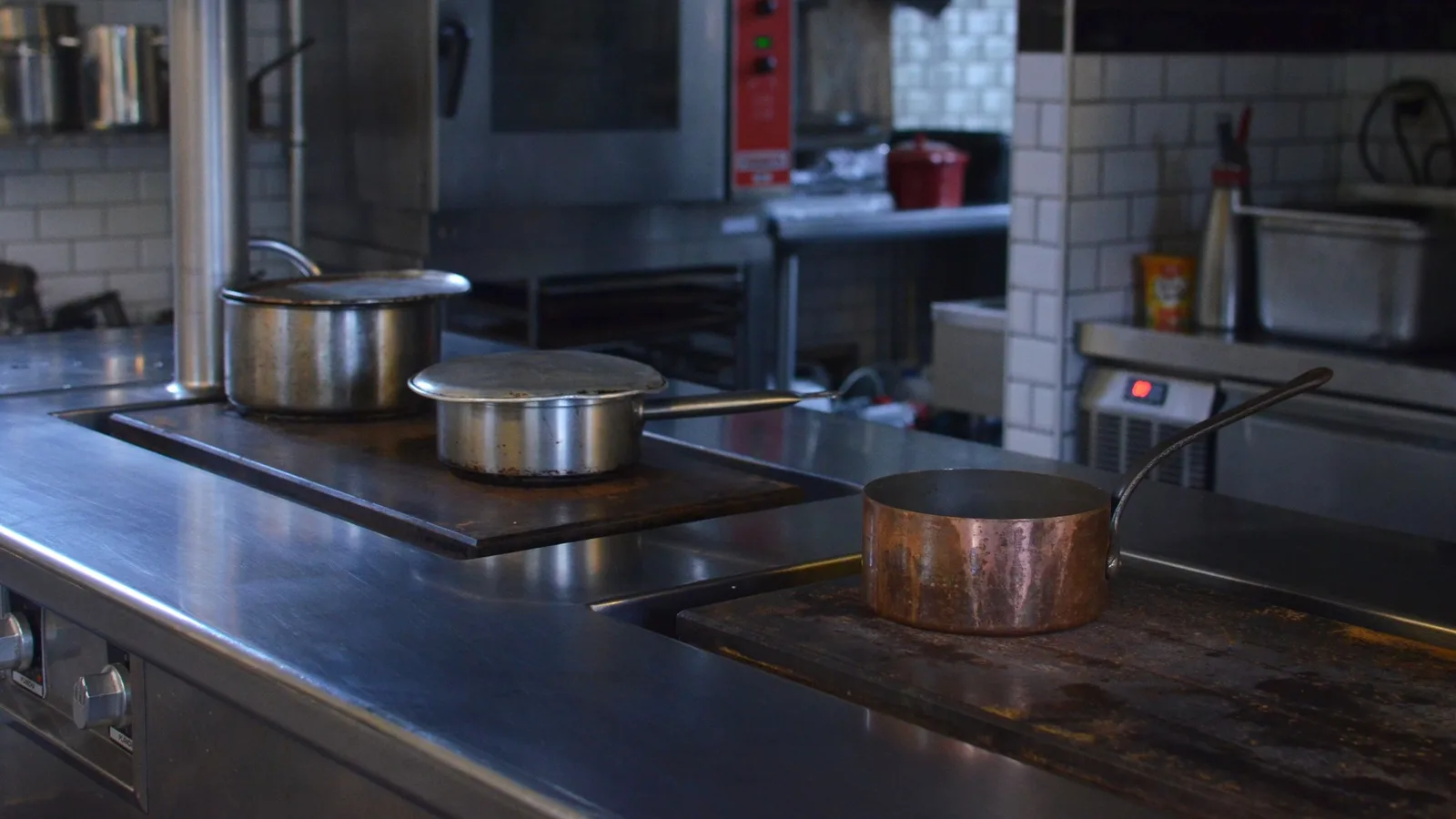
Cafes and restaurants: Seating, tables, counters and catering equipment, where disconnection and a tight kitchen layout drive the schedule.
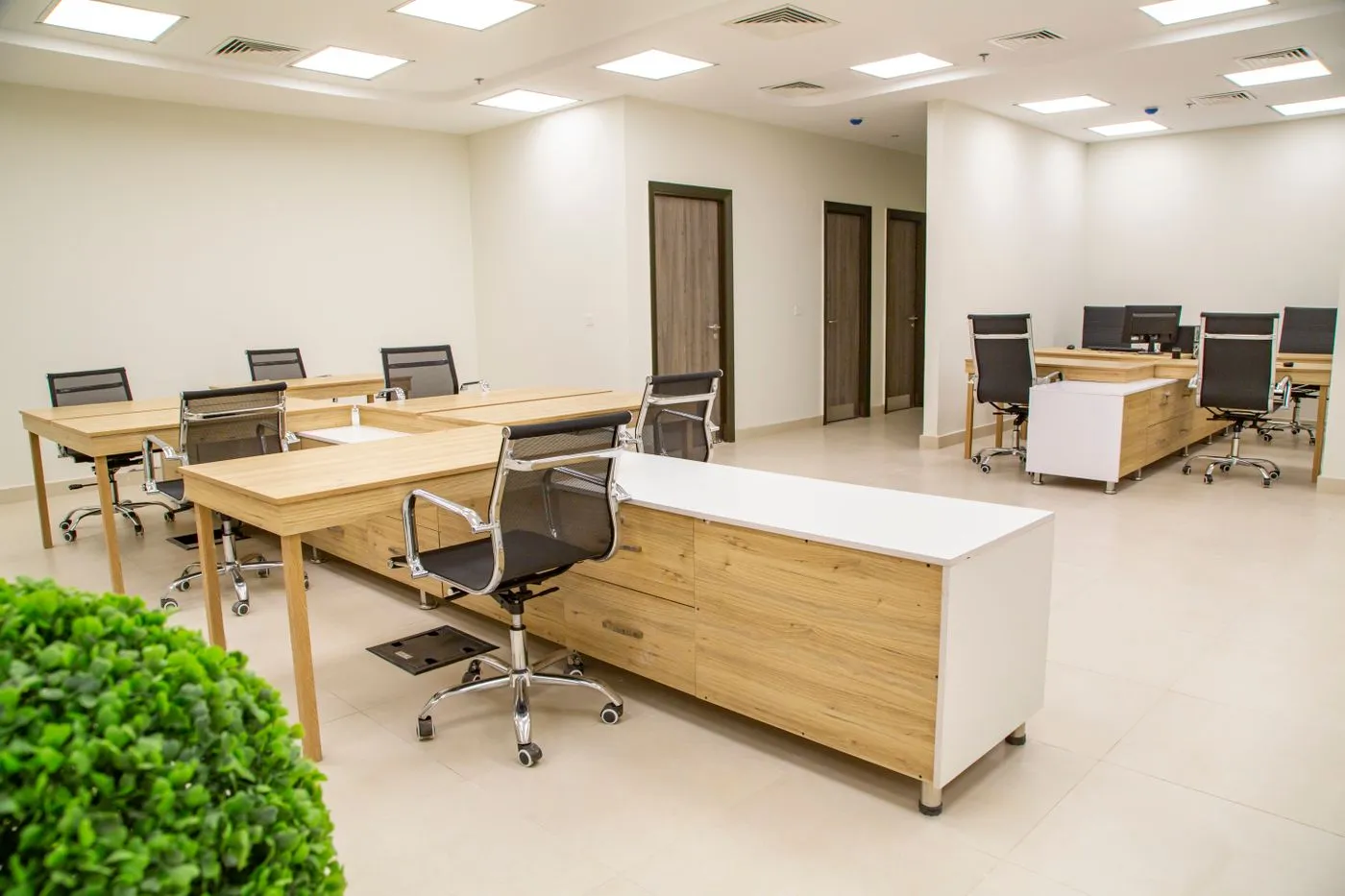
Offices and co-working space: Desks, task chairs, filing cabinets, partitions and IT hardware, with data-bearing devices handled separately.
Clinics, salons and studios: Treatment furniture, reception fit-out and waiting-area seating, cleared without disturbing neighbouring units.
Schools and training centres: Classroom furniture and storage, usually cleared during term breaks when the building is empty.
Hotels and serviced buildings: Guest-room furniture and back-of-house equipment, moved through service corridors on a controlled schedule.
Food and beverage units are usually cleared after service, when seating can come out without closing the floor to customers.
Why Trading Hours Set the Schedule
In most commercial jobs the business decides the timing before anyone discusses the contents.
Dubai mall units generally handle bulky movements outside shopping hours, which puts retail clearances late at night or early in the morning. Office towers restrict service-lift use to booked windows. Clinics and salons work around their appointment book rather than the clock.
The pattern that causes the most trouble is a business assuming it can be cleared during the working day because the items are small. Access rules apply to the movement, not to the size of what is moving.
Access, Approvals and Building Rules
Commercial buildings in Dubai are managed spaces, and most of them want notice before a crew arrives.
1Notify building management or the mall operations team of the date and the window you want.
2Confirm which service lift or loading bay the movement uses and whether a slot must be booked.
3Provide crew details and vehicle details if the building or free zone requires them for gate access.
4Confirm any insurance documentation the building asks to see before work starts.
5Agree protection for lifts, corridors and shared flooring along the carry route.
6Confirm who holds keys or access cards outside trading hours.
Free zone premises and towers with a single shared loading bay are where this takes longest. Starting the approval a few days before the clearance is the difference between one visit and a wasted one.
Vehicle access is agreed in advance, since most Dubai commercial buildings direct removals to a specific bay rather than the main entrance.
Where Business Contents Go After Collection
Commercial loads separate more cleanly than household ones, because the items arrive in matching sets rather than as mixed clutter.
Office and hospitality furniture in serviceable condition is routed for reuse rather than disposal.
Metal shelving, racking, desk frames and appliance casings go to metal recovery.
Cardboard, paper and packaging from a stockroom clear-out are separated as recyclable material.
Electronics and IT hardware are handled as a distinct stream rather than mixed into general waste.
Damaged upholstery, laminate furniture and worn fixtures go for general disposal.
Where a business is disposing of computers or storage media, data removal is the business's responsibility to confirm before collection. How the material stream itself works is covered in our guide to junk recycling and donation in Dubai.
What Commercial Junk Removal Does Not Cover
The boundary is worth stating plainly, because business clearances sit close to work we do not take on.
Construction, renovation, demolition or fit-out strip-out debris, which is a separate waste stream we do not handle.
Anything fixed to the building fabric, including ducted air conditioning, ceilings and structural partitions.
Hazardous or regulated materials requiring specialist licensed carriage.
Data destruction as a certified service, which is a specialist trade separate from collection.
Cleaning and making good, which are booked separately from the clearance.
If a contractor has already stripped a unit and left rubble behind, that material needs a construction waste carrier rather than a junk removal crew, and asking the wrong trade delays the handback.
Planning a Clearance Without Closing the Business
Most commercial clearances can happen without losing a trading day, provided the sequence is set in advance.
1Decide what stays, and physically separate it or label it before the crew arrives.
2Clear the items nobody uses first, in a daytime visit that does not affect trading.
3Book the disruptive part, meaning seating, counters and heavy furniture, for after hours.
4Keep one route through the premises open for staff throughout the work.
5Confirm the final walkthrough with whoever signs off the handback.
Pricing follows the same logic as any whole-space job: one figure for the work rather than a count of items. If the premises is being handed back at the end of a lease, the timing advice in our guide to retail shop clearance applies to most commercial handbacks, not only to shops.
Key Takeaways
Commercial junk removal covers all business premises: retail, food and beverage, offices, clinics, salons, schools and hotels.
Trading hours and building approvals set the schedule before the contents are discussed.
Most Dubai commercial buildings require advance notice, a designated loading route and sometimes insurance documentation.
Business loads separate cleanly into reuse, metal recovery, packaging recycling, electronics and general disposal.
Construction, renovation and fit-out strip-out debris fall outside the service and need a different carrier.
Why Choose Junk Service in Dubai
As a local, fully insured team, Junk Services Dubai makes clearing your space simple — fast pickups, fair upfront pricing and responsible disposal across every Dubai community.
Same-Day Availability
Book today and, where crews are free, we clear it today — with no rush surcharge.
Fair, Upfront Pricing
A flat price agreed before we arrive, based on volume, items and access. No surprises.
Insured, Uniformed Crews
Background-checked teams who do all the lifting and protect your floors, lifts and walls.
Responsible Disposal
We sort for reuse, donation and recycling in line with Dubai Municipality guidance.
Our editorial team is made up of the crews and coordinators who clear homes, villas and offices across Dubai every day. We share practical, first-hand guidance on decluttering, disposal and responsible waste removal in the UAE.
FAQ
Frequently Asked Questions
Any collection from a business premises. The difference is not the items but the conditions: managed building access, approvals in advance, work timed around trading hours, and a space that has to be usable again immediately.
In most Dubai commercial buildings, yes. Towers, malls and free zone premises typically require notice of the date, a booked service lift or loading bay, and sometimes crew and vehicle details before access is granted.
Usually. The items nobody uses can be cleared during the day, with heavy furniture and seating moved after hours. Keeping one clear route through the space open throughout is what makes it workable.
No. Construction, renovation and demolition debris is a separate waste stream that needs a licensed construction waste carrier. Commercial junk removal covers loose contents, furniture, equipment and fixtures rather than building material.
Yes, and for commercial work it usually has to be. Where a building restricts bulky movements to a booked lift or bay slot, the collection is scheduled to that slot rather than to an arrival window.
A clearance is a single job that empties a space of surplus furniture, equipment and clutter. A recurring waste contract handles routine day-to-day waste in fixed volumes. Businesses commonly need a clearance alongside a contract they already hold.
Yes. Multi-site clearances are scheduled as a sequence of visits under one job, which suits businesses closing or refitting several units. Each site still needs its own building approval and access window.
Final Thoughts
The businesses that clear a premises without losing a day are not the ones with the least to remove. They are the ones that started the building approval early and decided what stays before the crew arrived.
Get the access window agreed first, then the scope, then the schedule. Our junk removal crews work to the building's rules and the trading day rather than around them.
Arrange Collection for Your Business Premises
Tell us the type of premises, the building, and the window your landlord or mall operations team allows. We will confirm crew size, an access plan and one flat price for the whole clearance, sorting and disposal included.
A complete guide to office junk removal in Dubai — cleanouts, relocation waste, old furniture, e-waste and IT equipment, filing cabinets, after-hours collection and Dubai Municipality-compliant recycling.
Closing a unit, changing concept or handing back a mall lease? Here's how retail shop clearance works in Dubai, what a crew takes, and how to plan around mall trading hours.
Closing, refreshing or relocating a venue? Here's how restaurant equipment removal works in Dubai, what a crew can and can't take, and how to plan around trading hours.

 Guides