Microwave Disposal Dubai: Why It Is E-Waste, Not Rubbish
The Junk Services Dubai Team 6 min read
A microwave is the one kitchen appliance light enough to carry out under one arm, which is exactly why so many end up in a bin store or a rubbish chute. It belongs in neither. This guide covers why a microwave is handled as electrical waste in Dubai, what sits inside the casing that makes stripping it a bad idea, and how to get a single unit collected without paying for a trip it cannot fill.
Why a Microwave Is Electrical Waste, Not General Rubbish
A microwave is an electrical appliance, and electrical appliances are kept out of general household waste in Dubai because of what they are made of rather than how big they are. The casing is recoverable steel, the interior carries a transformer and a control board, and none of that belongs in a landfill stream.
Size is what misleads people. A fridge is too big for a bin on sight, so nobody tries. A microwave fits through a chute opening in most Dubai towers, which makes the wrong route feel available. Building management in a lot of towers will also refuse electricals left in the bin store, and the unit sits there until somebody removes it properly.
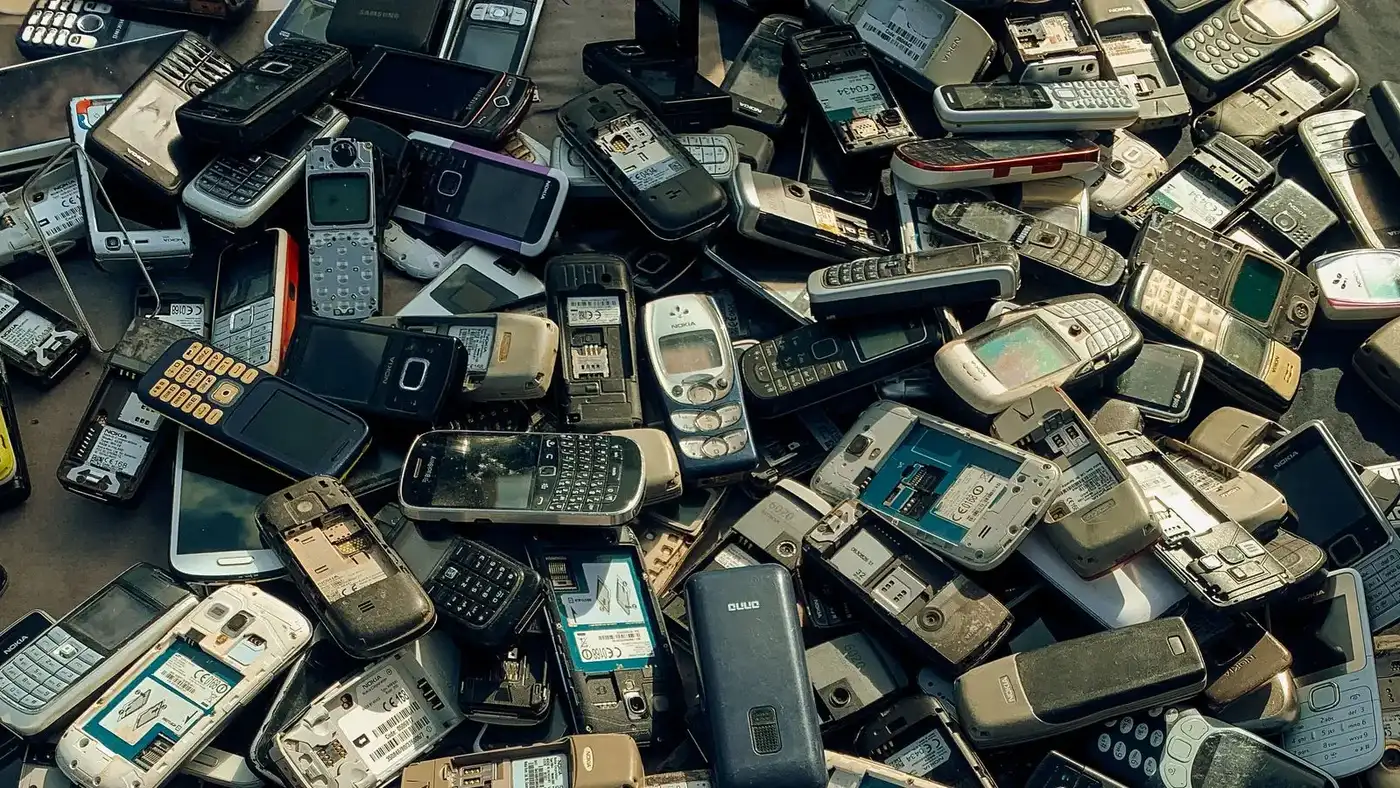
The wider category is covered in our guide to electronics disposal in Dubai. This page stays with the microwave itself, because it sits awkwardly between a kitchen appliance and a piece of consumer electronics and gets treated as neither.
Countertop, Built-In and Over-Range Units Are Different Jobs
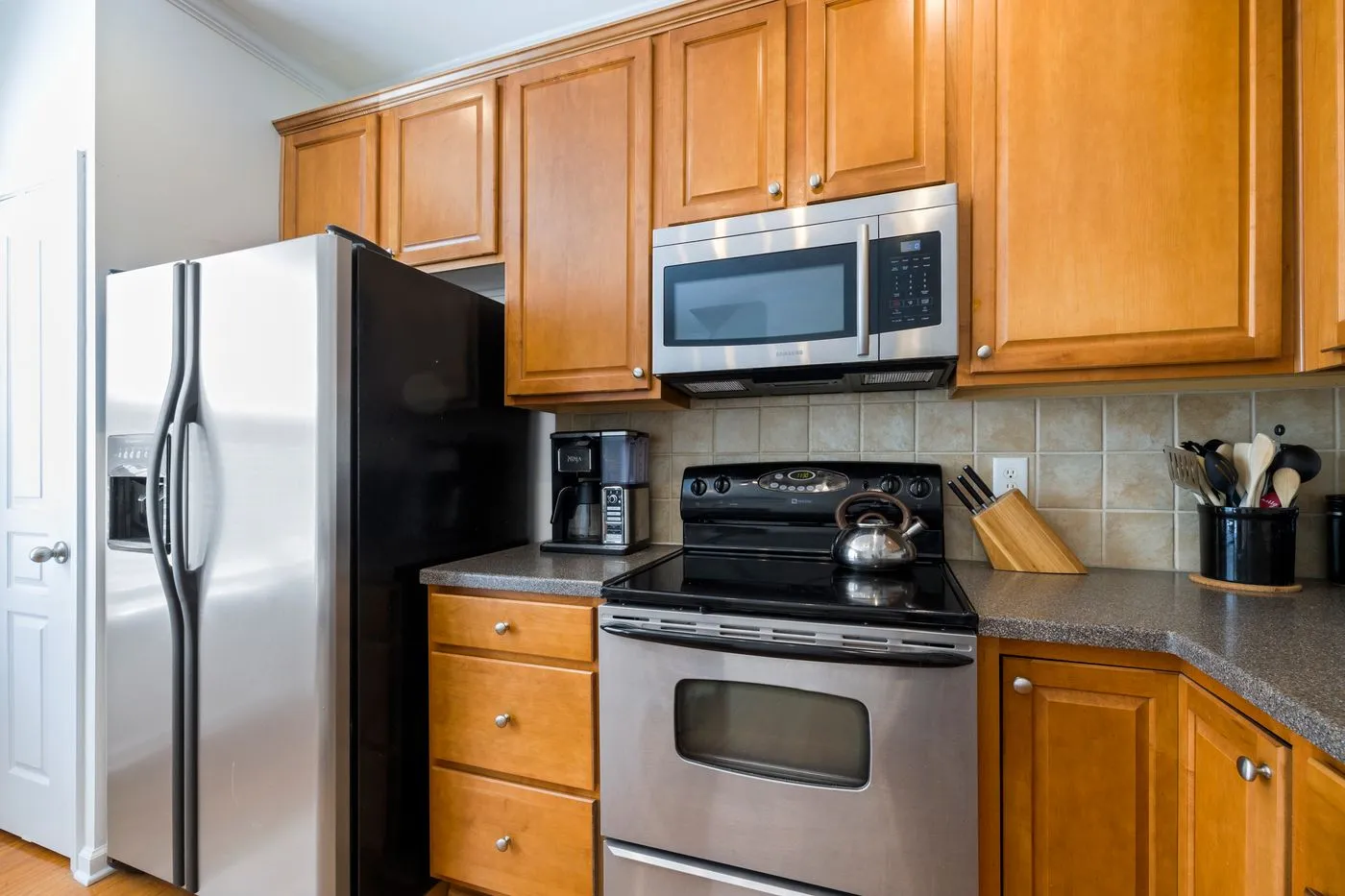
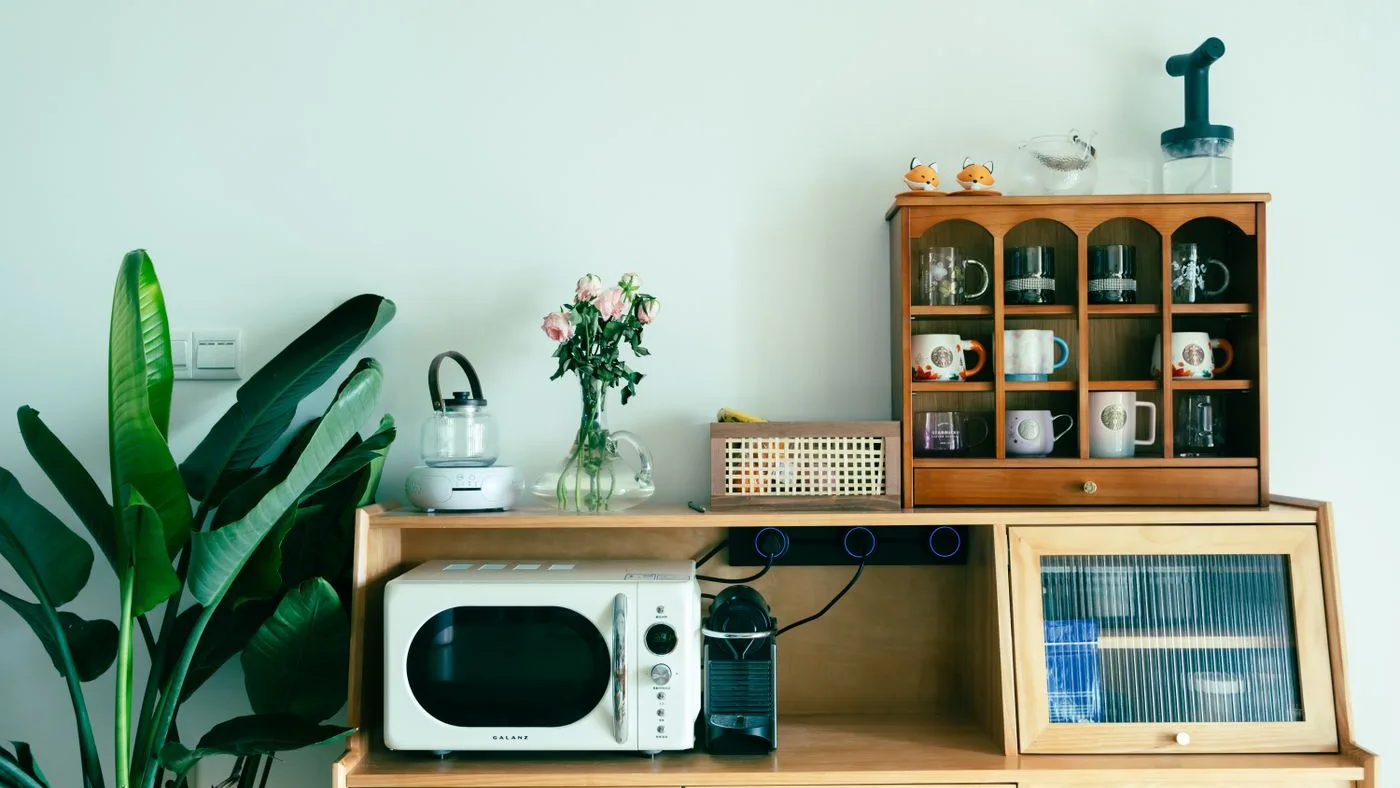
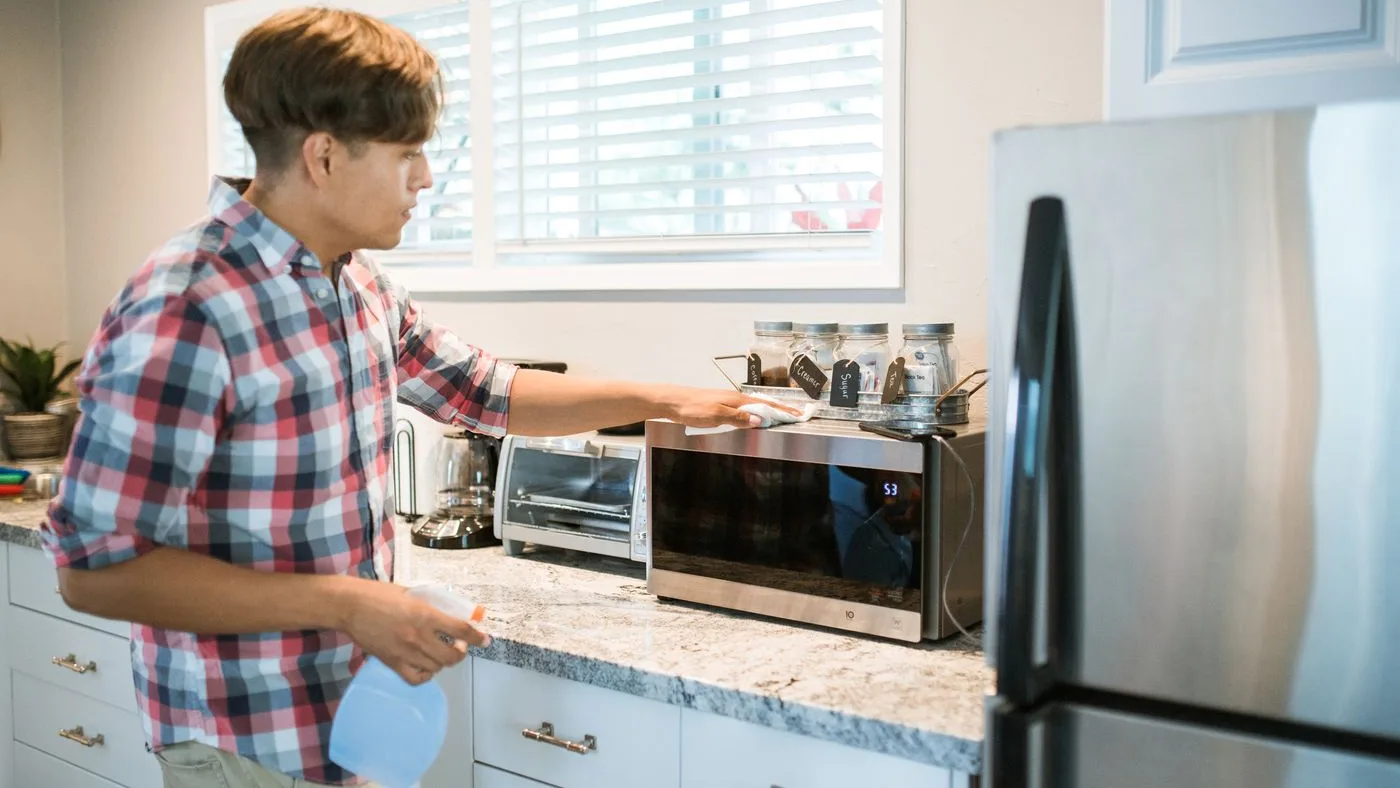
Countertop units: The common case. It unplugs, lifts off the worktop and needs no tools. This is the unit most households in apartments have.
Built-in units in a trim kit: Slotted into a cabinet housing and held by a surrounding frame. The unit itself comes out; the trim kit and the cabinetry around it stay with the property.
Over-range combination units: Mounted on a wall bracket above a hob and often hard-wired rather than plugged in. Isolation by a competent person comes first, then the unit lifts off its bracket.
Light commercial units: Heavier, all-steel, and usually found in a staff pantry or a small food outlet rather than a home. Same disposal route, more weight to carry.
Where a unit is hard-wired or plumbed into a cabinet run, the boundary is the same one that applies to every fitted appliance: the appliance is collected, and cabinetry, worktop and wiring alterations belong to a fitter or a licensed contractor. Our oven removal guide sets out the same line for built-in cooking appliances.
What Is Inside a Microwave, and Why It Should Not Be Opened
A microwave contains a high-voltage capacitor that can hold a charge after the unit is unplugged, sitting alongside the magnetron and the transformer that drive it. That is the reason a microwave is the one small kitchen appliance nobody should open up at home, whatever the online scrap value of the copper inside suggests.
It is also why a broken microwave is worth no more as parts than it is as a whole unit to a household. The recovery happens at a facility with the equipment to discharge and separate it safely, not on a balcony with a screwdriver.
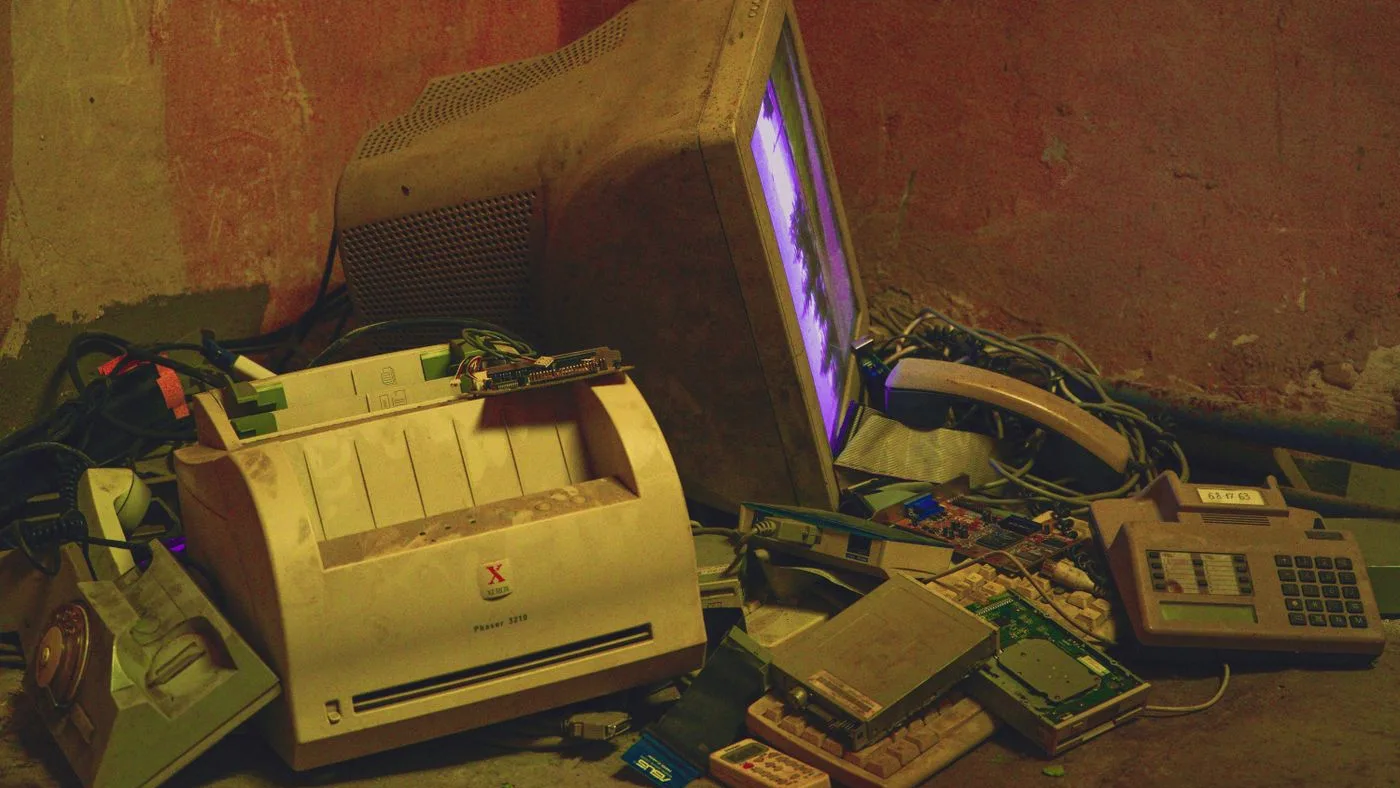
A microwave joins the same e-waste stream as computers and monitors, where the steel, boards and copper are separated under controlled conditions.
Donate, Recycle or Dispose: Which Route a Microwave Takes
Condition decides the route, and with a microwave the test is unusually binary. It either heats reliably or it does not, and there is no partly working middle ground worth passing to somebody else.
Condition
Route
What happens to it
Working, clean, under about eight years old
Donation or resale first
Passed on for reuse, which is the highest-value outcome and the fastest
Working but heavily worn or stained inside
Usually recycling
Few charities accept a kitchen appliance that cannot be cleaned back to hygienic
Dead, sparking or with a damaged door seal
Recycling only
Casing separated as steel, board and magnetron handled as e-waste
Door glass cracked or the unit fire-damaged
Disposal, handled apart from the load
Kept separate from items being sorted for reuse
A damaged door seal moves a unit out of the donation route regardless of whether it still runs, because the seal is what contains the energy inside.
Where a unit is genuinely reusable, the donation and resale routes we use across every collection are described in our guide to junk recycling and donation.
Preparing a Microwave for Collection
1Unplug the unit and leave it unplugged for a while before the crew arrives rather than pulling the plug as they walk in.
2Lift out the glass turntable and the roller ring underneath it, since both are loose and the plate breaks the moment the unit is tilted.
3Wipe out the interior if the unit is going for donation, because a clean cavity is the difference between reuse and recycling.
4Tape the door shut with a strip of masking tape so it cannot swing open on the stairs or in the lift.
5Say at booking whether the unit is a countertop, built-in or over-range model, so the crew arrives knowing whether a bracket is involved.
Ten minutes with a cloth is what keeps a working unit in the donation stream rather than the recycling one.
Booking One Small Item Without Paying for a Whole Trip
The honest position on a single microwave is that the cost sits in the journey rather than in the item. A crew travelling to a tower in Business Bay spends the same time on access, lift and loading whether it carries out one microwave or six appliances, and that is what a small pickup is paying for.
Combine it with the rest of the kitchen e-waste: the dead kettle, the toaster, the old air fryer and the drawer of chargers.
Add it to a collection you already have booked, such as a sofa or a mattress going the same day.
Hold it until a move-out clearance, when the whole flat is being emptied anyway.
Ask neighbours in the same tower, since one visit can cover several units in the same building.
A microwave leaving a Dubai apartment is not one object to a recycler. It is four material streams held together by screws, and separating them is the whole point of routing it correctly.
The outer casing and inner cavity are steel, which is the heaviest part and the most straightforwardly recyclable.
The transformer and magnetron carry copper and other recoverable metals.
The control board follows the same route as any other circuit board in the e-waste stream.
The glass turntable, door glass and plastic trim are separated rather than shredded in with the metal.
Key Takeaways
A microwave is electrical waste in Dubai and belongs out of the general bin and the rubbish chute.
It holds a high-voltage capacitor that can retain charge after unplugging, so it should never be opened at home.
A clean, working unit under roughly eight years old is worth offering for donation before disposal.
Remove the glass turntable and roller ring before collection, since both are loose and break easily.
The cost of a single microwave pickup sits in the trip, so it is worth combining with other items.
Why Choose Junk Service in Dubai
As a local, fully insured team, Junk Services Dubai makes clearing your space simple — fast pickups, fair upfront pricing and responsible disposal across every Dubai community.
Same-Day Availability
Book today and, where crews are free, we clear it today — with no rush surcharge.
Fair, Upfront Pricing
A flat price agreed before we arrive, based on volume, items and access. No surprises.
Insured, Uniformed Crews
Background-checked teams who do all the lifting and protect your floors, lifts and walls.
Responsible Disposal
We sort for reuse, donation and recycling in line with Dubai Municipality guidance.
Our editorial team is made up of the crews and coordinators who clear homes, villas and offices across Dubai every day. We share practical, first-hand guidance on decluttering, disposal and responsible waste removal in the UAE.
FAQ
Frequently Asked Questions
No. A microwave is electrical waste, so it belongs out of the chute and out of the general bin store. Many Dubai buildings will refuse electricals left in the bin area, and the unit stays there until somebody arranges a proper collection.
No. A microwave holds a high-voltage capacitor that can keep a charge after the unit is unplugged, so opening one at home is not worth the recoverable metal. Separation is done at a facility equipped to discharge it safely.
Yes, the appliance itself is collected. The surrounding trim kit and cabinetry stay with the property, and any hard-wired unit needs isolating by a competent person before it comes out of its housing.
Yes. The glass turntable and the roller ring under it are both loose, and the plate tends to break as soon as the unit is tilted to carry. Taking them out first also lets you wipe the cavity in the same minute.
Often, yes. A clean unit that heats reliably and is under roughly eight years old is offered for reuse first. A cracked door glass or a damaged seal rules it out regardless of whether it still runs.
Combine it with whatever else is going, since the cost of a small pickup is mostly the journey. The kitchen's dead kettle, toaster and small electronics usually fill a collection alongside it.
Check the inventory list signed at move-in. A microwave supplied with a furnished unit stays with the property, and only an appliance you bought yourself during the tenancy comes out at handover.
Final Thoughts
A microwave gets disposed of badly for one reason: it is small enough to make the wrong route feel reasonable. Treating it as electrical waste from the start avoids the bin store standoff, keeps a working unit in circulation, and puts a dead one somewhere its steel and boards are recovered instead of buried.
If there is a microwave sitting on a worktop waiting for a decision, group it with whatever else the kitchen has retired and clear the lot in one visit. Our appliance disposal crews handle it alongside the larger white goods.
Book a Pickup for an Old Microwave
Send a photo of the unit with your area and floor, and tell us whether it is a countertop, built-in or over-range model. We will confirm a flat price before anyone travels.
WhatsApp Us the details, Book a Pickup for a slot that suits you, or Contact Us to add it to a collection you already have arranged.
A practical guide to electronics disposal in Dubai — responsible collection of household and office e-waste, from TVs, laptops and phones to printers, monitors and IT equipment, why data security and hazardous parts matter, how to prepare devices, and Dubai Municipality-compliant recycling.
Why a washing machine can cost more to take away than a sofa, and what genuinely moves the price of appliance removal in Dubai: weight, how the unit is connected, the route out, and how many go in one visit.
A crew will come out for one item in Dubai. How a one-piece pickup is scheduled and priced, which single items get booked most, and when adding a second piece is the better call.

 Guides