Water Heater Removal Dubai: Draining a Full Tank Before It Can Move
The Junk Services Dubai Team 5 min read
A water heater is the appliance people most often try to lift before checking what's inside it. A full storage tank holds far more weight in water than it looks like it should, and moving one without draining it first is how a utility room floods. This guide covers how draining and disconnection work, how a storage tank differs from a compact wall unit, and where Dubai homes typically keep them.
Dubai homes run a mix of formats, and how much water a unit holds is what decides whether draining matters before it moves.
Electric storage tank: A cylindrical tank holding anywhere from around 30 to 300 litres, common in villa store rooms and apartment utility cupboards. Must be drained before it's moved.
Instant / tankless wall unit: A compact box that heats water on demand rather than storing it. Holds almost nothing, so draining isn't the issue.
Gas water heater: Works like an electric storage tank but needs its gas supply isolated by a qualified technician first, the same rule that applies to a gas oven or hob.
Solar-assisted tank: A storage tank with a roof-mounted collector feeding it and an electric element as backup, common in villa communities. Drained the same way as a standard tank.
This guide is about the standalone household unit. A building's central hot water system is part of the property's own infrastructure rather than a household appliance, and sits with the building's own contractors rather than a removal crew.
Why a Full Tank Can't Just Be Unplugged
A 100-litre storage tank holds 100 kilograms of water on top of its own weight, which is why lifting one before it's drained is one of the more common ways a utility room floor ends up soaked or a back gets strained.
1Switch off the power at the isolation switch, or the gas supply if it's a gas unit, and let the tank cool if it's been running recently.
2Close the cold water inlet valve feeding the tank.
3Connect a hose to the drain valve near the base and run it to a floor drain or a large container.
4Open the drain valve and, if the tank has one, the pressure relief valve to help it empty fully.
5Once empty, disconnect the inlet and outlet pipe unions.
6Lift the tank out once it's confirmed empty and disconnected.
A tank that's just been used will still hold hot water, so give it time to cool before opening the drain valve. This is the one step worth leaving entirely to the crew if the tank has recently been running, since a rushed drain with hot water is how scalds happen.
The inlet and outlet unions are freed only after the tank has been fully drained, not before.
Where Dubai Homes Keep Them
Location
What makes it harder
What to arrange first
Villa store or plant room
Often boxed in among other stored items
Clear a path to the tank before the slot
Apartment utility cupboard
Tight space, sometimes above a washing machine
Confirm the cupboard door swing and corridor width
Under-sink or bathroom cabinet
Small compact units, easiest to access
Little preparation needed beyond isolating the supply
Villa roof
Solar-assisted tanks are heavier and need a two-person carry down
Confirm safe roof access before the visit
A compact wall unit is a straightforward job almost anywhere it sits. A full storage tank is not.
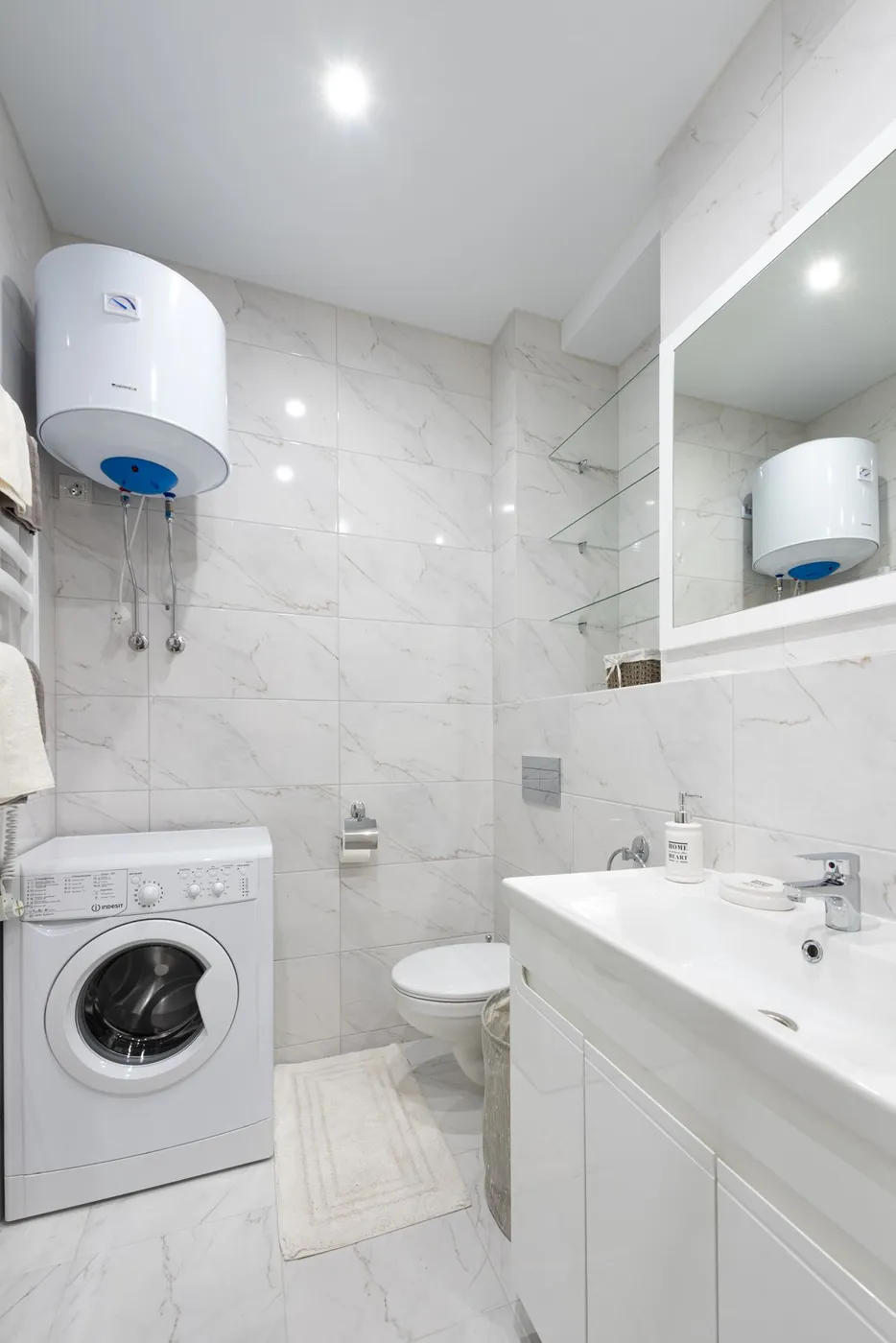
A compact wall unit like this holds little water, so isolating the supply is usually the only prep needed.
Apartments, Villas and Booking the Job
In a tower apartment in Dubai Marina or Al Furjan, the tank has to clear a corridor and a service lift, so knowing the floor and cupboard size in advance helps the crew plan the carry. In a villa in Arabian Ranches or Mudon, access is usually more forgiving, though a roof-mounted solar tank still needs a careful, planned descent.
A water heater rarely comes out on its own. It's often part of a bathroom refit, a villa store clean-out, or a straight swap when the old tank starts leaking, so mention what else is being cleared when you book.
Note the tank's rough size or litre rating if it's marked on the unit, so the crew knows what to expect.
Isolate the power or gas supply beforehand if you can do so safely.
Clear a path to the tank, especially in a villa store room where items tend to collect around it.
Mention if the tank has been leaking, since a damaged unit can hold less water than its rated size but still needs draining first.
What Happens to an Old Water Heater After Collection
Once a tank is confirmed empty, it's kept intact for transport rather than opened on site. At the recycling stage, the steel outer casing and inner tank are separated for metal recovery, the copper heating element and internal coil are recovered as high-value scrap, and the foam insulation between the layers is the only part that tends to end up as genuine disposal.
A unit that's being upgraded rather than replaced because it failed is worth flagging at booking. Our guide to appliance removal cost covers how a still-working appliance is priced differently from a broken one.
Key Takeaways
A full storage tank must be drained before it's lifted; a 100-litre tank alone adds 100 kilograms of water weight.
Compact wall-mounted units hold little water, so isolating the supply is usually the only preparation needed.
Gas water heaters need the gas supply isolated by a qualified technician first, the same rule as a gas oven or hob.
Let a recently used tank cool before draining it, since a rushed drain with hot water inside is how scalds happen.
A building's central hot water system is part of the property's own infrastructure, not a household appliance collection.
The steel tank and copper heating element are recovered as metal scrap; insulation foam is the main part that becomes disposal.
Why Choose Junk Service in Dubai
As a local, fully insured team, Junk Services Dubai makes clearing your space simple — fast pickups, fair upfront pricing and responsible disposal across every Dubai community.
Same-Day Availability
Book today and, where crews are free, we clear it today — with no rush surcharge.
Fair, Upfront Pricing
A flat price agreed before we arrive, based on volume, items and access. No surprises.
Insured, Uniformed Crews
Background-checked teams who do all the lifting and protect your floors, lifts and walls.
Responsible Disposal
We sort for reuse, donation and recycling in line with Dubai Municipality guidance.
Our editorial team is made up of the crews and coordinators who clear homes, villas and offices across Dubai every day. We share practical, first-hand guidance on decluttering, disposal and responsible waste removal in the UAE.
FAQ
Frequently Asked Questions
No, our crew handles the draining as part of the collection. Isolating the power or gas supply beforehand, if you can do so safely, speeds up the visit but isn't required.
A 100-litre tank holds around 100 kilograms of water on top of its own weight, which is why it has to be drained before anyone attempts to lift it.
The gas supply itself must be isolated by a qualified gas technician first. Once that's done, we drain, disconnect and remove the tank the same way as an electric unit.
Yes, where it's safely accessible. Roof-mounted solar-assisted tanks are heavier than a standard unit, so a crew of two or more carries it down carefully rather than treating it as a one-person job.
No. Central systems are part of the building's infrastructure and sit with the property's own contractors. We collect standalone household units, whether a storage tank or a compact wall unit.
Yes, considerably. It holds little water, so there's no draining wait, and it's usually a single-person job once the supply is isolated and the pipe unions are disconnected.
The steel casing and inner tank are recycled as metal, the copper heating element and coil are recovered separately as higher-value scrap, and the insulation foam is the only part that typically ends up as disposal.
Final Thoughts
A water heater is one of the few appliances where the preparation, not the lift, is what takes the time. Drain it properly and the removal itself is routine.
Tell us whether it's a storage tank or a wall unit, isolate the supply if you can do so safely, and book a slot for appliance disposal.
Schedule a Pickup for Your Old Water Heater
WhatsApp us the tank type, its rough size and where it's installed. We'll confirm a flat price and a slot, drain and disconnect it safely, and take it away for recycling.
Old AC units can't go out with normal waste. Here's how air conditioner removal works in Dubai, what to arrange before collection, and where the units end up.
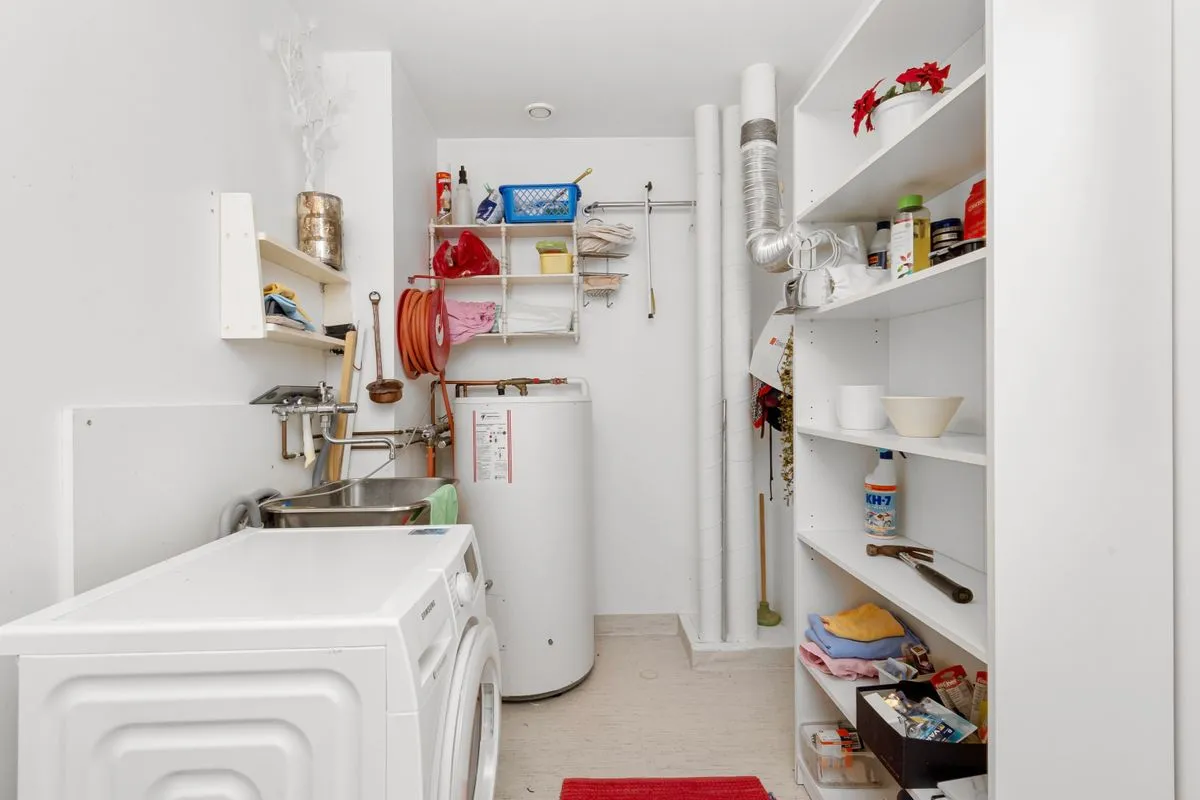
A standalone freezer is not a fridge with a different label. What defrosting one properly involves, what to do with what is inside, and why a garage chest freezer is the hardest of them to move.
The safe way to handle appliance removal in Dubai — fridge, washing machine, dryer, dishwasher, oven and AC disposal, why appliances can't go in general junk, electronics recycling, apartment and villa collection, same-day pickup and Dubai Municipality compliance.

 Guides