 Guides
 6 min read
Can I Leave Furniture by the Bin in Dubai?
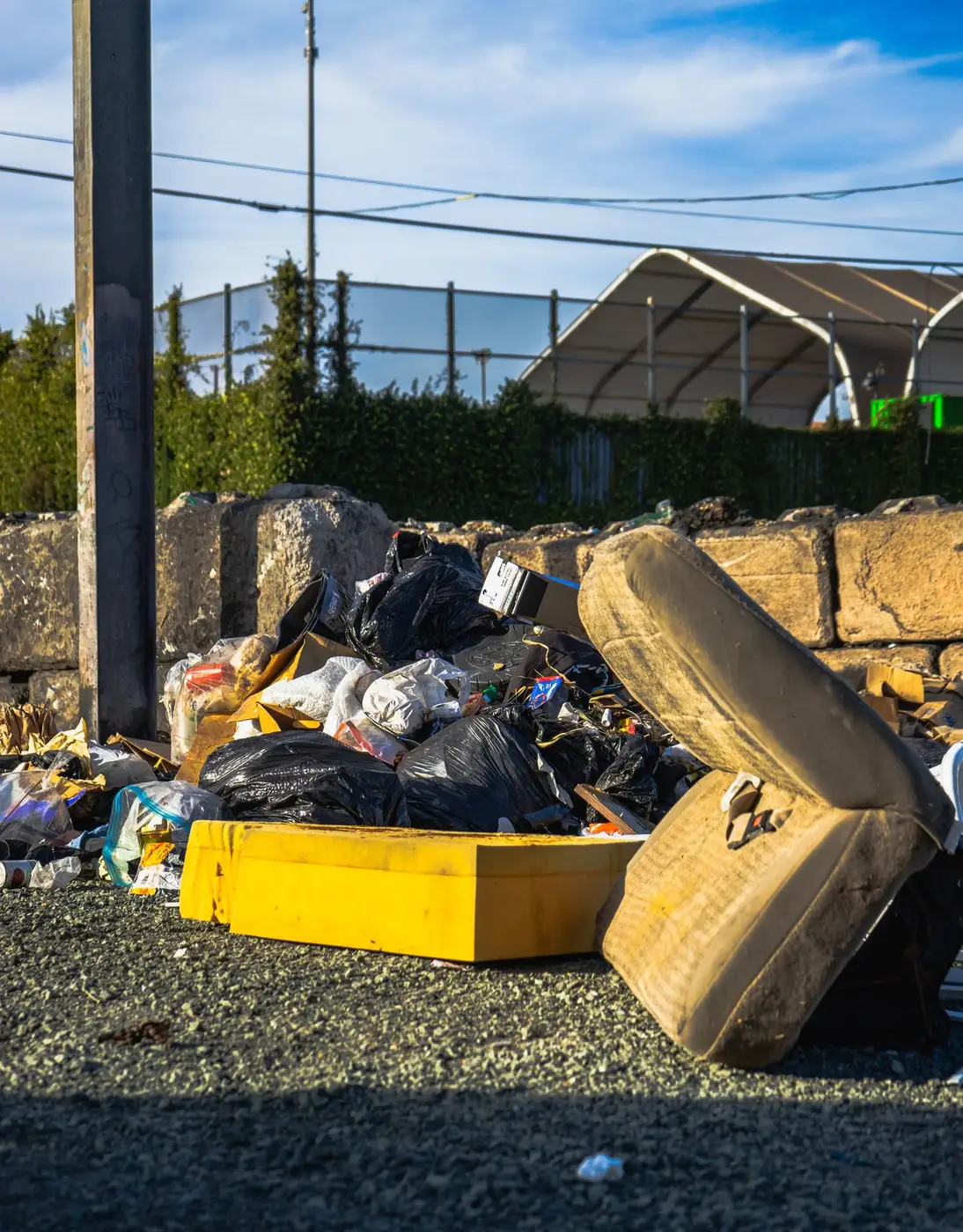
A sofa or mattress left beside your building's bins is not collected as household waste. What happens to it, who ends up paying, and what to do instead.
Read Article
Waste rules in Dubai confuse new residents because there is no single rulebook. Three separate layers apply to the same bin: emirate-wide expectations, your community's rules, and whatever your building management enforces on top. This guide explains what each layer governs, what belongs in a household bin, and which categories need a route of their own.
Most disagreements about waste in Dubai come from residents reading one layer and assuming it is the whole picture. There are three, and they stack.
The practical consequence is that the answer to almost any Dubai waste question is layered too. Something can be permitted city-wide, allowed by your community, and still refused by your building.
General household waste is the everyday material a home produces, bagged and closed before it goes anywhere.
The test that holds up in practice is simple: if it fits in a tied bag, goes in the bin without propping the lid open, and does not need special handling, it belongs there.

These categories are excluded everywhere in Dubai, regardless of which building or community you live in. Each one needs a collection of its own.
| Category | Why the bin will not take it | Where it goes instead |
|---|---|---|
| Furniture, mattresses and wardrobes | Too large for the bin or chute, and the collection vehicle is not built for it | A booked bulky collection from inside your home |
| Fridges, washing machines and ovens | Weight, and components that need controlled handling | An appliance collection with the recovery route handled |
| Televisions, computers and small electronics | Treated as a separate recovery stream, not general waste | An electronics collection or a designated drop-off point |
| Paint, solvents, cleaning chemicals and batteries | Classified as hazardous and unsafe in a mixed load | A specialist route, never the household bin |
| Tyres | Excluded from general waste collection outright | A tyre-specific disposal route |
| Large volumes of garden waste | Bulk and weight overwhelm a household bin | A dedicated garden waste collection |
Construction and renovation debris sits outside this list entirely. It is a licensed waste stream of its own, handled by contractors specialising in it, and it is not something a household junk removal service is set up to carry.
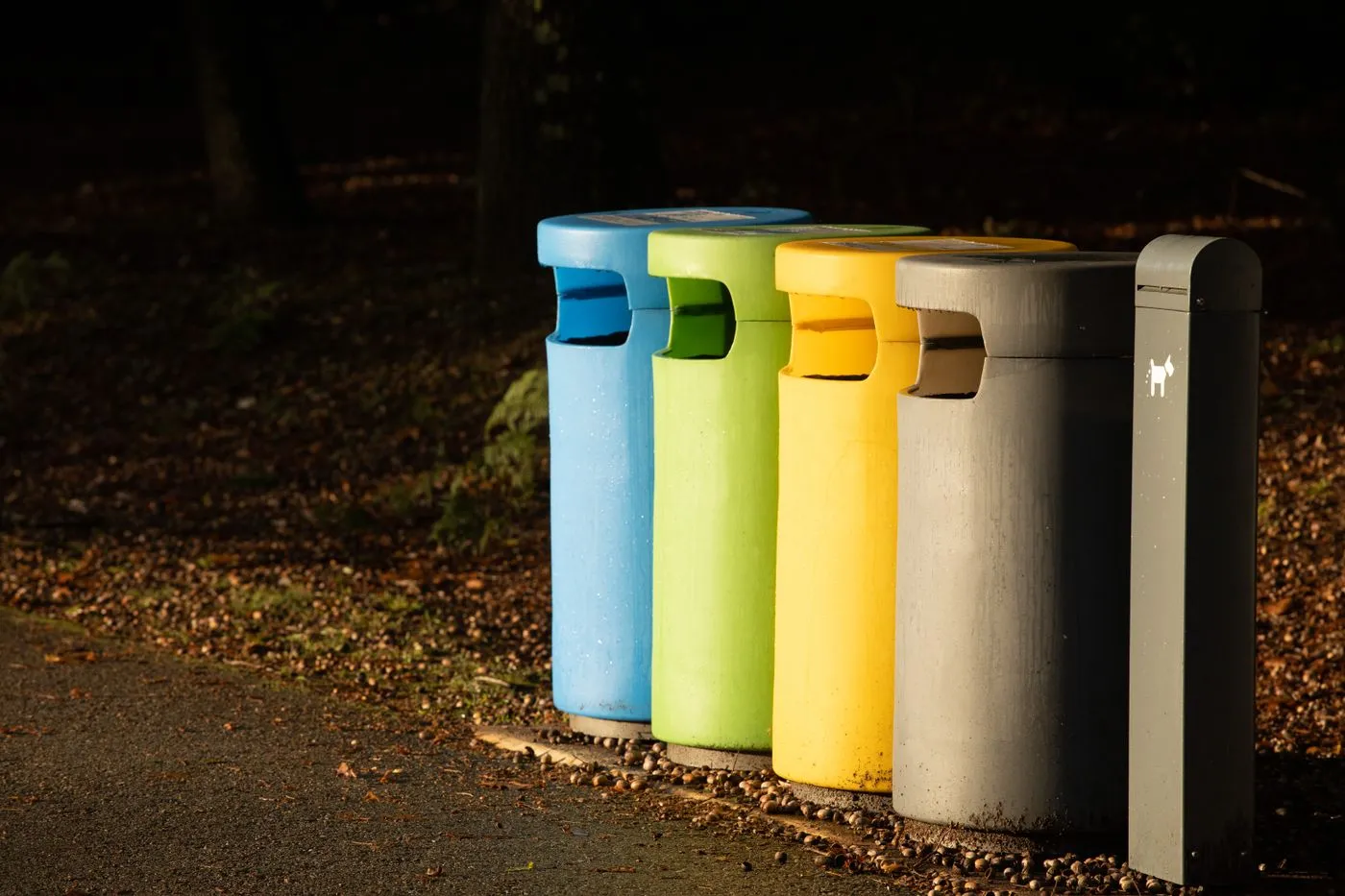
Separated bins are provided across a large share of Dubai's communities and towers, usually splitting recyclables from general waste and sometimes breaking recyclables down further by material.
How strictly separation is applied is set locally rather than uniformly. Some buildings run a well-signed bin room with distinct containers; others provide a single chute and handle sorting downstream. Your building management is the accurate source for which applies to you.
What holds true everywhere is that contamination defeats the exercise. A recycling bin with a bag of food waste in it is commonly downgraded to general waste in full, so rinsing containers and keeping wet waste out of the dry stream does more than perfect sorting does.
This is the layer that catches people out, because it varies street by street. In villa communities such as Arabian Ranches and The Springs, rules commonly cover where a bin may stand, whether anything may be left outside the boundary wall, and the hours a contractor's vehicle may be in the community.
In towers across Dubai Marina and JVC, the rules are about access instead: bin room opening hours, what the chute will accept by size, service lift booking for anything that will not fit in a passenger lift, and how much notice building management wants before a removal crew arrives.
Neither set of rules is published in one place. Your tenancy contract, your community handbook and your building management office are the three sources worth checking, and they are the only ones that will be current for your address.
The excluded categories all resolve the same way: a booked collection that takes the item from inside your home and routes it to the right destination.
That last step matters more than it sounds. Furniture moved down to the bin area ahead of a collection becomes the building's problem rather than yours, which is covered in detail in our guide on leaving furniture by the bin.
Where a whole property is being emptied rather than a few items, the same logic applies at scale. Our waste removal and house and villa clearance services separate a mixed load into its streams as it is collected, which is the part a household cannot do from a bin room.
As a local, fully insured team, Junk Services Dubai makes clearing your space simple — fast pickups, fair upfront pricing and responsible disposal across every Dubai community.
Book today and, where crews are free, we clear it today — with no rush surcharge.
A flat price agreed before we arrive, based on volume, items and access. No surprises.
Background-checked teams who do all the lifting and protect your floors, lifts and walls.
We sort for reuse, donation and recycling in line with Dubai Municipality guidance.
Written by
The Junk Services Dubai Team
Junk Removal Specialists
Our editorial team is made up of the crews and coordinators who clear homes, villas and offices across Dubai every day. We share practical, first-hand guidance on decluttering, disposal and responsible waste removal in the UAE.
General household waste is the bagged everyday material a home produces: food waste, soiled packaging, bathroom waste and ordinary cleaning residue. If it fits in a tied bag, does not prop the bin lid open and needs no special handling, it belongs in the household bin.
Separated bins are provided across many Dubai communities and towers, but how strictly separation is applied is set by your community or building management rather than being uniform across the city. Your building management office is the accurate source for your address.
Your building management sets the day-to-day rules, including bin room hours, what the chute accepts and the notice a removal crew needs. They operate within the wider rules set by your community or master developer, and by the emirate above that.
Keep both out of the household bin. Electronics are treated as a separate recovery stream in Dubai, and batteries are handled as hazardous material. Both need either a designated drop-off point or a booked collection that routes them correctly.
Small amounts of trimmings generally can. A garden clearance cannot, because the bulk and weight of branches, palm fronds and soil overwhelm a household bin and it is excluded as a bulk stream.
No. Construction, renovation and demolition debris is a separate licensed waste stream in Dubai and needs a contractor specialising in it. Household clearance services are not set up to carry it.
Start with your tenancy contract, then your community handbook, then your building management office. These are the three sources that will be specific and current for your building, and rules genuinely do differ between neighbouring communities.
The rules are less complicated than they look once you stop searching for one universal answer. Bagged everyday waste goes in the bin. Separated recyclables go in the recycling stream, clean and dry. Everything bulky, powered, chemical or bulk-organic needs a collection of its own.
For the categories that fall outside a bin, our junk removal crews collect from inside the home and sort the load into its streams on the way out.
Send us a photo of the items on WhatsApp and we will tell you which stream each one belongs to and what a collection would involve. Furniture, appliances, electronics and garden waste are all routed separately rather than tipped as one mixed load.
GuidesA sofa or mattress left beside your building's bins is not collected as household waste. What happens to it, who ends up paying, and what to do instead.
Read Article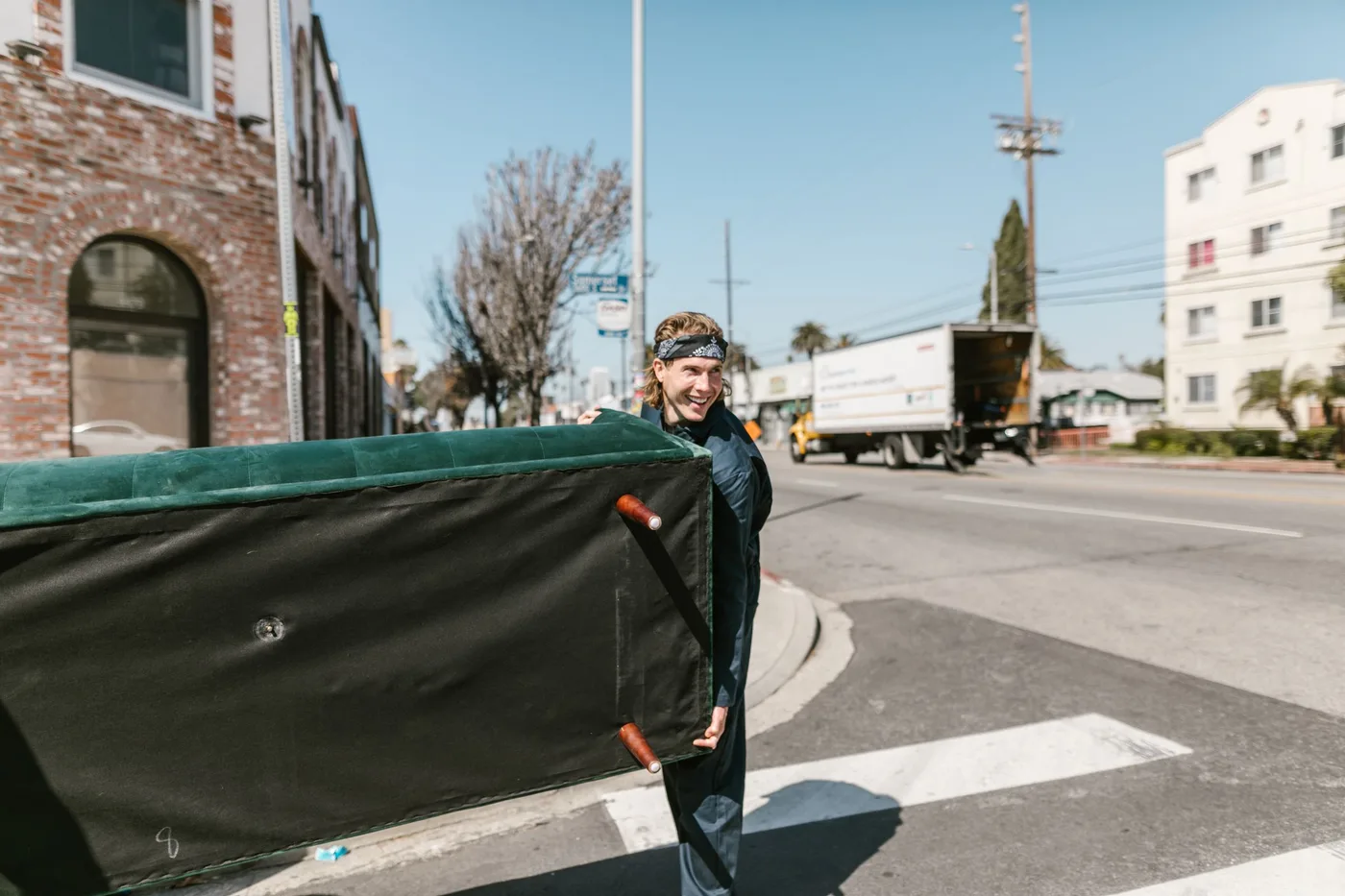 Guides
Bulky waste is anything too big for your building's bins or chute. Here's what counts in Dubai, why it needs its own collection, and how a pickup is arranged.
Read Article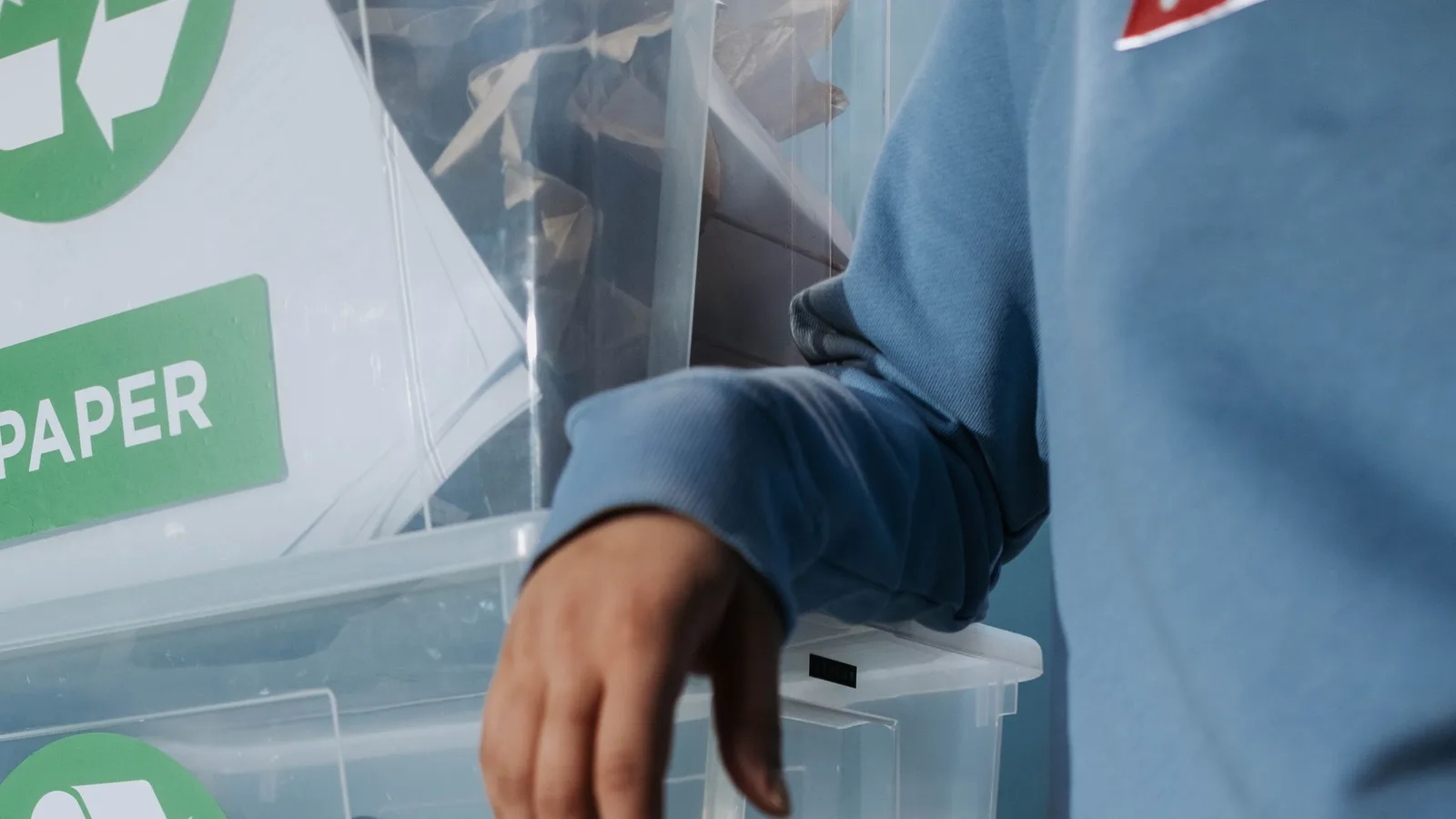 Guides
What happens to your furniture, appliances and clutter after collection in Dubai, from sorting and donation to recycling and responsible disposal.
Read Article