Hazardous Household Waste Disposal in Dubai: What Cannot Go in a Junk Load
The Junk Services Dubai Team 5 min read
Every home builds up a small shelf of things that cannot go out with the rest of the rubbish: half-used tins of paint, dead batteries, a pressurised can that never fully emptied. These are hazardous household waste, and a general junk removal crew is not the right route for them. This guide covers what counts, why it is handled apart, and what to do with each type in Dubai.
Hazardous household waste is anything in a home that can burn, corrode, react or release fumes when it is crushed, punctured or mixed with something else. The label matters less than the behaviour: a sealed tin of paint is inert on a shelf and a problem in the back of a loaded vehicle.
Paints, solvents and thinners: Half-used tins, primer, varnish, white spirit and paint stripper. Liquid paint is the item people most often try to send out with a general load.
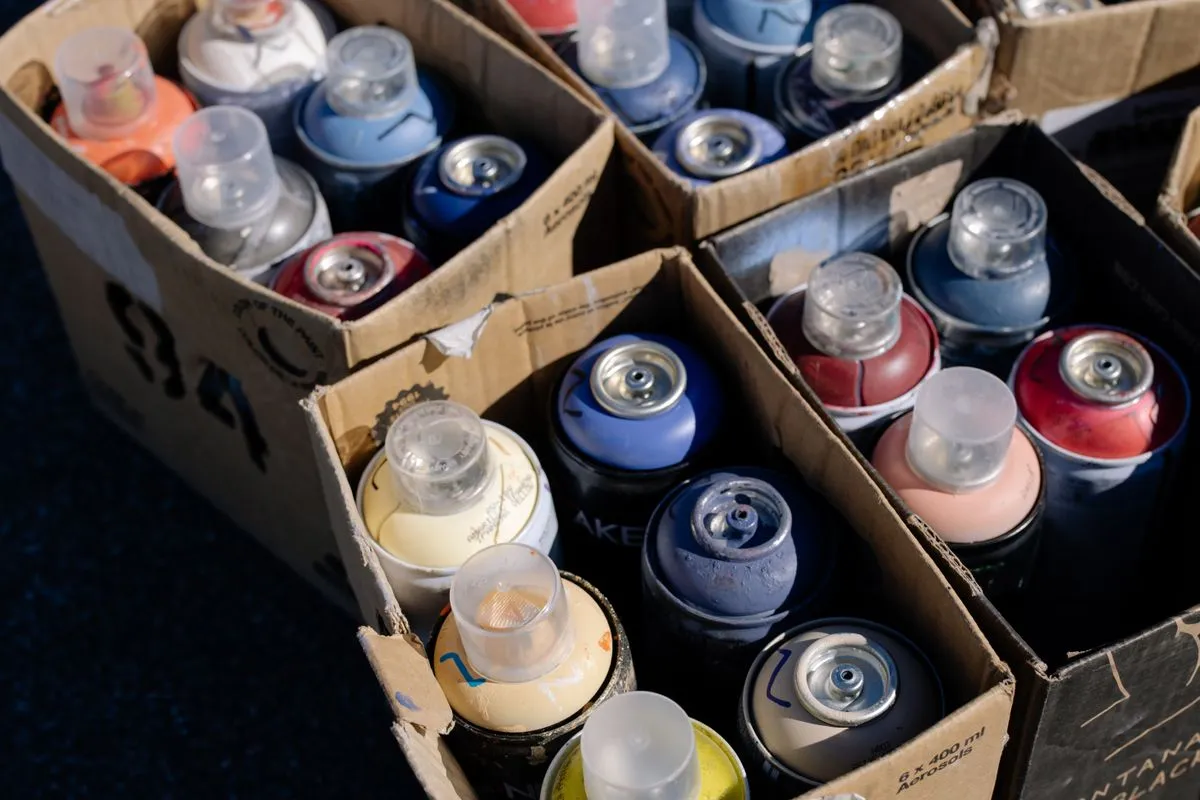
Pressurised containers: Aerosols of any kind, camping gas canisters and cooking gas cylinders. Pressure and heat are a poor combination inside a closed vehicle.
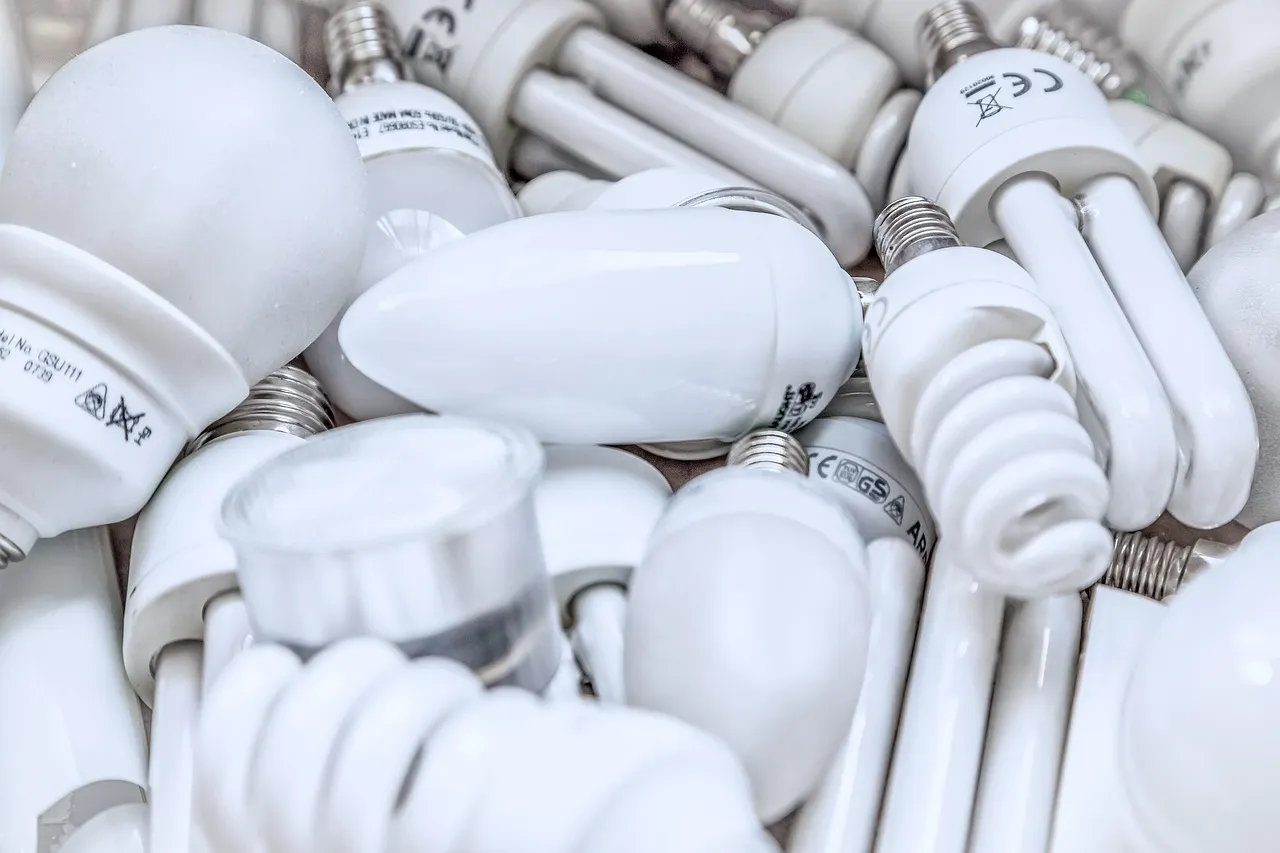
Batteries and lamps: Household cells, power banks, car batteries, fluorescent tubes and energy-saving bulbs. Lithium cells can ignite when crushed and tubes break easily.
Chemicals, fuels and oils: Pool chlorine, pesticides, drain cleaner, engine oil and fuel left in a container after a car service or a generator top-up.
Why a General Junk Crew Cannot Take It
A junk removal load is mixed and it settles. Furniture presses against boxes, boxes press against whatever is underneath, and the whole load shifts on the drive to the disposal point. That is fine for a wardrobe and unsafe for a pressurised can.
The second reason is where a load ends up. General waste, recyclable material and reusable furniture each have their own route. Hazardous items have a separate one, handled by operators licensed for it, and dropping them into a mixed load sends them somewhere they were never meant to go.
So the honest position is this: we clear the rest of the home and leave these items for a specialist. Saying so at booking is more useful than taking them and hoping.
The Items People Most Often Get Wrong
Item
Why it is a problem
What to do instead
Half-full paint tins
Liquid paint leaks under load and cannot be recycled with the tin
Let small amounts dry out fully with the lid off, then treat the hardened tin as general waste
Aerosol cans
Pressurised, and heat inside a vehicle raises that pressure further
Keep them out of the load; fully empty cans can go with general waste, part-full ones need a specialist
Energy-saving bulbs and tubes
Break easily and hold material that should not enter a mixed load
Box them separately and hand them in at a lamp take-back point where one is offered
Car and power-tool batteries
Corrosive contents, plus a fire risk if the terminals short against metal
Tape the terminals, keep them upright, and use a battery take-back point
Pool and garden chemicals
React with other products and with water
Keep sealed in the original container and never combine two products
The pattern repeats: keep it in its original container, keep it out of a mixed load, and never combine two products.
Part-used aerosols are the item most often missed when a household separates a clear-out.
Storing It Safely Until It Goes
Dubai's heat changes the storage advice more than most people expect. A cupboard that is fine in January is a different environment in August, and a parked car is worse again.
Keep everything in its original container with the label readable, so whoever handles it next knows what it is.
Store in shade, and never in a parked car, on a balcony that takes the afternoon sun, or in an unairconditioned store room through summer.
Keep containers upright and spaced apart, so a leak from one does not reach another.
Tape the terminals on loose batteries before they go into a box together.
Do not decant anything into a drinks bottle. That is how the wrong person picks up the wrong thing.
Fluorescent tubes and energy-saving bulbs are boxed apart rather than going out with a general load.
What Still Gets Cleared From the Same Home
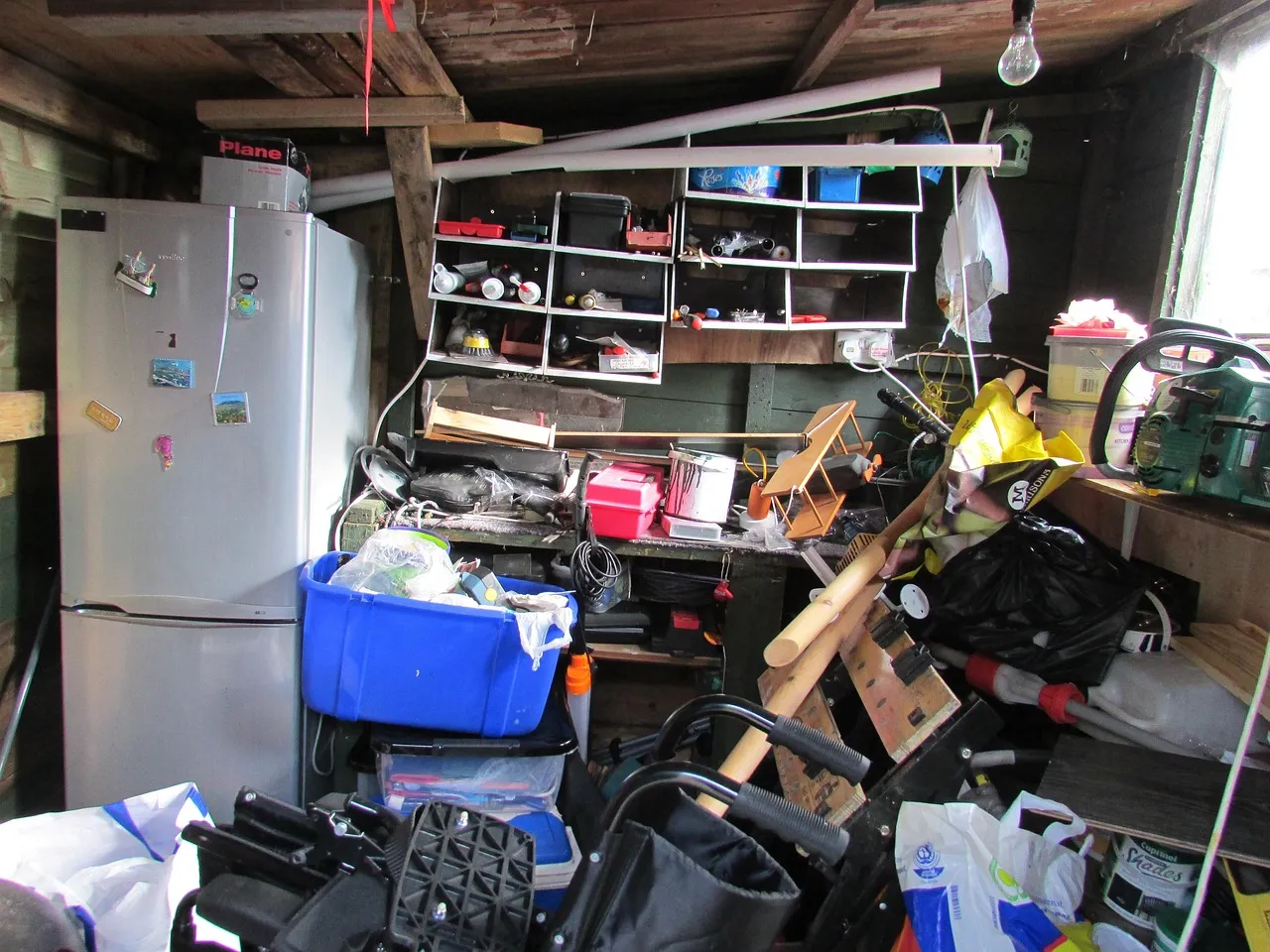
Separating the hazardous shelf does not hold up the rest of the job. In a garage clear-out the paint and the engine oil stay behind and everything else goes: the shelving, the bikes, the boxes, the broken garden furniture.
That is the usual pattern in a villa store room in Arabian Ranches or a maid's room in JVC. The crew flags anything questionable while loading rather than discovering it later, and our garage clean out guide covers how the rest of that job runs.
Old appliances are a common source of confusion here. A fridge holds refrigerant and a washing machine holds residual water, but both are handled as appliance disposal rather than as hazardous household waste.
Sorting Before a Clear-Out, and Booking the Rest
1Walk the store room, the garage, the cupboard under the kitchen sink and the balcony. Those four places hold most of it.
2Pull anything pressurised, liquid or chemical onto one shelf or into one crate.
3Photograph whatever you are unsure about and send it with the booking, so it is settled before the crew arrives.
4Keep the separated items away from the pile the crew will be loading from.
5Book the clear-out for everything else, and route the separated shelf through a take-back point or a licensed handler.
Send photos when you book and our junk removal team will confirm what is in scope and a flat price for the rest.
Key Takeaways
Hazardous household waste covers paints, solvents, aerosols, batteries, lamps, pool chemicals, fuels and oils.
A general junk load settles and shifts in transit, which is why pressurised and liquid items are excluded.
Keep each item in its original container, upright, labelled and out of direct sun.
Fully dried paint and genuinely empty aerosols behave differently from part-full ones.
Separating the hazardous shelf does not delay the rest of the clear-out, which goes ahead as normal.
Why Choose Junk Service in Dubai
As a local, fully insured team, Junk Services Dubai makes clearing your space simple — fast pickups, fair upfront pricing and responsible disposal across every Dubai community.
Same-Day Availability
Book today and, where crews are free, we clear it today — with no rush surcharge.
Fair, Upfront Pricing
A flat price agreed before we arrive, based on volume, items and access. No surprises.
Insured, Uniformed Crews
Background-checked teams who do all the lifting and protect your floors, lifts and walls.
Responsible Disposal
We sort for reuse, donation and recycling in line with Dubai Municipality guidance.
Our editorial team is made up of the crews and coordinators who clear homes, villas and offices across Dubai every day. We share practical, first-hand guidance on decluttering, disposal and responsible waste removal in the UAE.
FAQ
Frequently Asked Questions
Anything in a home that can burn, corrode, react or give off fumes: paints and solvents, aerosols and gas canisters, batteries and fluorescent lamps, and pool, garden or automotive chemicals. Ordinary furniture, appliances and general clutter are not hazardous and are cleared normally.
Not while there is liquid paint inside, because it leaks under load and cannot be recycled with the tin. Small amounts left to dry out fully with the lid off become a solid, and the hardened tin can then go with general waste.
Tape over the terminals, keep the batteries upright, and collect them in one rigid box out of direct sun. Taping matters because loose terminals touching metal or each other is what starts a fire in a battery box.
A genuinely empty can with no propellant left behaves like ordinary metal packaging and can go with general waste. A can that still hisses or feels weighted holds pressure and needs to be kept out of any load.
Return it to the supplier who filled it, since cylinders are refillable assets rather than waste. They are not collected as junk at any fill level, because a sealed pressure vessel in a mixed load is a genuine hazard.
Yes. Compact fluorescent bulbs and tubes hold material that should not be released into a mixed load, and they break easily under weight. Box them apart and use a lamp take-back point where one is available.
Yes. The hazardous items are set aside and everything else is cleared in the same visit. Flagging them at booking is what keeps the job on schedule, since finding them mid-load is what causes delays.
Yes. Engine oil contaminates water and soil and cannot go into a general load or down a drain. Keep it sealed in a labelled container and take it to a garage or take-back point that accepts used oil.
Final Thoughts
Most households only have a handful of these items, and they sit in the same few places: under the sink, on a garage shelf, at the back of a store room. Pulling them onto one shelf before a clear-out takes ten minutes and settles the whole question.
Everything else in the room is straightforward, and our waste removal team can clear it in a single booked visit.
Book a Clear-Out for Everything Else
Tell us what is in the room and send photos of anything you are unsure about, and we will confirm what is in scope and a flat price before the crew arrives.
WhatsApp Us to book, Call Now to check an item, or Schedule a Pickup for a full store room or garage.
A Dubai garage stops being a garage the moment it becomes storage. What accumulates there, what the summer heat does to it, and how a full clear-out runs from sorting to the last load.
A practical guide to electronics disposal in Dubai — responsible collection of household and office e-waste, from TVs, laptops and phones to printers, monitors and IT equipment, why data security and hazardous parts matter, how to prepare devices, and Dubai Municipality-compliant recycling.
Waste rules in Dubai arrive in three layers: the emirate, your community, and your building. Here is what each one governs and what never belongs in a bin.
 Guides