Solar Panel & Inverter Disposal Dubai: PV Module Recycling
The Junk Services Dubai Team 6 min read
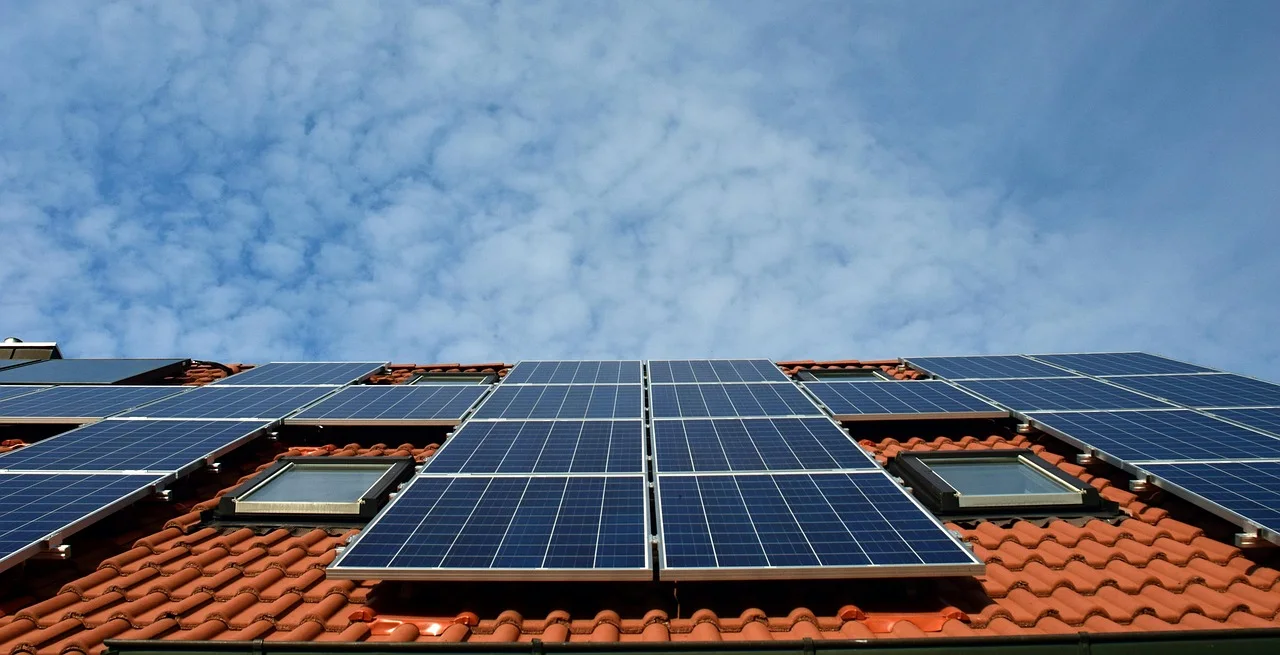
Dubai commitment to renewable clean energy under the Shams Dubai solar initiative has transformed residential rooftops across the emirate. From sustainable villas in Emirates Hills to solar-powered properties in Arabian Ranches, thousands of photovoltaic installations generate green electricity daily. However, as first-generation solar installations reach the end of their operational lifespans, sustain storm damage, or undergo modern high-efficiency panel upgrades, property owners face the critical challenge of equipment decommissioning. Decommissioned solar arrays comprise fragile tempered glass, heavy silicon wafers, structural aluminum mounting rails, and sensitive high-voltage power inverters that require expert dismantling and certified e-waste recycling.
The Lifecycle of Solar Equipment: Why Residential Panels Get Replaced
Residential photovoltaic panels are engineered to endure harsh desert climates, but twenty to twenty-five years of intense ultraviolet radiation, seasonal dust storms, and extreme summer thermal cycles gradually degrade photovoltaic efficiency. While modern tier-one panels retain roughly eighty percent of their initial output after two decades, older systems experience notable performance drops.
Beyond gradual aging, premature panel replacement occurs due to localized thermal hot spots, micro-cracks caused by severe hail or fallen palm branches, and inverter electrical surges. In addition, many Dubai homeowners upgrade older two-hundred-watt panels to modern five-hundred-watt bifacial modules to maximize clean rooftop generation. When upgrading, responsible decommissioning ensures old modules do not burden local waste management infrastructure.
Monocrystalline & Polycrystalline Panels: Standard glass and silicon laminate modules requiring mechanical delamination for high-grade glass and metal recovery.
Central String & Hybrid Inverters: Heavy power conversion electronics packed with copper transformers, cooling heatsinks, and complex printed circuit boards.
Micro-Inverters & DC Optimizers: Modular panel-level power electronics that must be unscrewed from mounting rails for specialized e-waste processing.
Structural Aluminum Mounting Rails: High-strength extruded structural frames that can be melted down endlessly in domestic circular aluminum smelters.
Environmental Hazards of Landfilling Damaged Photovoltaic Modules
Discarding decommissioned solar modules into standard construction waste skips is strictly illegal under UAE environmental protection regulations. While solar energy produces zero emissions during operation, the physical fabrication of photovoltaic cells incorporates trace hazardous materials, including lead soldering, cadmium telluride, and gallium arsenide compounds.
If cracked or crushed panels end up in open landfills, desert rains and high heat can cause toxic heavy metals to leach into subterranean aquifers and surrounding soil ecosystems. Specialized industrial recyclers prevent this environmental contamination by cleanly separating the toxic fractions and purifying reusable silicon and silver conductors.
Separating aluminum racking, copper cabling, and inverter units ensures high-value electrical and metal recovery.
Solar Inverters Versus PV Panels: Differing E-Waste Recovery Streams
A common misconception among homeowners is that rooftop solar systems represent a uniform waste category. In reality, power inverters and solar panels belong to entirely separate industrial recycling processes. A solar inverter functions as the electrical brain of the installation, converting direct current from panels into alternating current for household appliances.
Inverters contain massive copper windings, electrolytic capacitors, and microprocessor boards. They are processed through certified electronics recycling plants where robotic shredders and magnetic separators recover pure copper, aluminum, and precious metals. PV modules, meanwhile, require thermal and chemical delamination to separate polymer EVA sheets from tempered front glass sheets.
Safe De-Energizing and Disconnection Protocols Before Removal Day
Photovoltaic systems present serious electrical shock and fire hazards during dismantling. Even when disconnected from the central villa distribution board, solar panels actively produce dangerous direct current voltages whenever exposed to sunlight. Unbolting live solar arrays without certified electrical isolation can cause severe electric shock or lethal arc flashes.
1Isolate central inverter: Switch off the AC isolator switch beside the main distribution board, followed by the DC isolator switch on the inverter.
2Lockout-tagout: Apply safety lockout tags to prevent accidental re-energization during maintenance or roof work.
3Cover solar arrays: Lay opaque tarpaulins across panel faces during daylight hours to stop photovoltaic voltage generation.
4Disconnect string connectors: Use specialized MC4 disconnect tools to uncouple high-voltage DC string cables safely without pulling bare conductors.
5Discharge inverter capacitors: Allow central power inverters to sit completely unpowered for at least fifteen minutes to discharge internal high-voltage capacitors.
Aluminum Mounting Racks, Cabling, and Balance-of-System Scrap
Beyond the panels and inverters, a full rooftop solar decommissioning produces hundreds of kilograms of ancillary equipment, commonly known as the balance of system. In villa communities across Dubai Hills Estate villa solar clearance, rooftop arrays are anchored on durable anodized aluminum rails secured with stainless steel roof brackets and galvanized flashings.
Structural aluminum rails represent exceptionally clean, high-value scrap metal. These rails are unbolted, stacked, and delivered to local aluminum extrusion recycling facilities. Simultaneously, thick UV-resistant copper solar cables, weatherproof junction boxes, and flexible metal conduits are stripped and melted down, ensuring virtually zero balance-of-system hardware ends up in landfill waste streams. Skilled crews pack these metal fixtures into heavy canvas sacks to keep villa driveways completely free of stray screws and sharp bracket cuttings.
Industrial Material Recovery: Recovering Glass, Copper, and Silicon
Modern PV module recycling technology achieves impressive material recovery efficiency. Over ninety percent of a standard crystalline silicon solar panel by weight can be reclaimed and re-manufactured into new commercial goods, driving the circular green economy across the UAE.
Panel Component
Percentage of Total Weight
Industrial Recycling Process
Reclaimed Output Material
Tempered Glass Face
70% to 75%
Mechanical crushing and optical sorting
Fiberglass insulation and glass containers
Aluminum Perimeter Frame
10% to 15%
Cold shearing and induction furnace melting
Extruded structural aluminum profiles
Silicon Solar Cells
3% to 5%
Thermal pyrolysis and acid etching
High-purity metallurgical grade silicon
Copper Ribbons & Cables
1% to 2%
Mechanical cable granulators
Pure copper wire and electrical busbars
Polymer Encapsulants (EVA)
8% to 10%
Controlled high-temperature thermal recovery
Industrial energy and ash conversion
Material breakdown and industrial recovery pathways for decommissioned residential solar panels.
When coordinating large-scale rooftop solar renovations or clearing surplus electrical gear, booking certified appliance disposal Dubai and clearance professionals guarantees compliant transport and chain-of-custody documentation.
Rooftop Solar Decommissioning and Clearance Verification Checklist
Before clearance crews arrive at your villa, complete these preparation steps to ensure swift, accident-free rooftop equipment removal:
Confirm all electrical grid disconnections have been executed and certified by a DEWA-approved electrical specialist.
Ensure clear roof ladder or internal attic stair access for crews moving heavy twenty-kilogram glass panels down to ground level.
Inspect rooftop membrane seals around mounting footings to ensure weatherproofing remains intact after rail unbolting.
Group dismounted inverters, optimizers, and cable bundles together near the ground-level villa loading bay.
Protect garden landscaping and patio tiles by laying heavy canvas tarpaulins beneath roof access points.
Schedule professional specialized waste clearance Dubai teams equipped with heavy lifting gear and covered transport trucks.
Key Takeaways
Residential solar panels contain hazardous trace metals and must never enter standard construction debris skips.
Panels generate live electrical voltage whenever exposed to daylight; disconnect only with certified safety protocols.
Power inverters and PV modules follow distinct industrial recycling paths for copper, glass, and silicon recovery.
Over ninety percent of a solar panel by weight, including aluminum frames and tempered glass, is recyclable.
Book licensed clearance teams for insured, accident-free transport of decommissioned rooftop solar hardware.
Why Choose Junk Service in Dubai
As a local, fully insured team, Junk Services Dubai makes clearing your space simple — fast pickups, fair upfront pricing and responsible disposal across every Dubai community.
Same-Day Availability
Book today and, where crews are free, we clear it today — with no rush surcharge.
Fair, Upfront Pricing
A flat price agreed before we arrive, based on volume, items and access. No surprises.
Insured, Uniformed Crews
Background-checked teams who do all the lifting and protect your floors, lifts and walls.
Responsible Disposal
We sort for reuse, donation and recycling in line with Dubai Municipality guidance.
Our editorial team is made up of the crews and coordinators who clear homes, villas and offices across Dubai every day. We share practical, first-hand guidance on decluttering, disposal and responsible waste removal in the UAE.
FAQ
Frequently Asked Questions
Solar panels contain hazardous trace compounds such as lead solders, cadmium, and antimony within their encapsulated layers. When disposed of in general construction skips, crushed panels risk leaching toxic heavy metals into desert groundwater and soil during compaction and burial.
Yes, central solar inverters house massive electrolytic capacitors that store high electrical charges even after disconnection. Certified handling ensures these components discharge safely before automated disassembly, preventing electrical fires and toxic chemical spills.
Permanent disconnections of grid-tied solar systems connected through Shams Dubai require notifications and approvals from DEWA to ensure safety isolation from the public electrical distribution network before unbolting equipment.
Modern recycling facilities can recover over ninety percent of a residential solar array by weight. A typical twenty-panel villa installation yields approximately four hundred kilograms of clean tempered glass, seventy kilograms of aluminum, and five kilograms of pure copper.
Yes, even heavily shattered or fractured photovoltaic modules generate lethal DC electrical current whenever daylight strikes the silicon cells. Handlers must cover broken panels with opaque tarpaulins and wear rubber-insulated electrical safety gloves.
Yes, licensed metal scrap yards and recyclers eagerly accept unbolted aluminum mounting rails and heavy copper DC cabling, as both materials represent high-grade, uncontaminated non-ferrous scrap that commands strong market value.
Experienced clearance teams use specialized glass-handling suction cups, protective edge padding, and heavy-duty stair-climbing hand trucks, or external mechanical hoists to lower fragile panels without scratching villa walls or cracking glass.
Final Thoughts
Embracing solar energy represents a tremendous step toward clean living, and completing the lifecycle through ethical decommissioning closes the loop on domestic sustainability. By diverting damaged panels and outdated inverters away from landfills and into high-tech material recovery facilities, Dubai homeowners safeguard the natural desert environment for future generations. When you need heavy electrical equipment removed safely, specialized waste removal Dubai specialists provide certified solutions.
Whether decommissioning a residential solar array in Palm Jumeirah luxury property waste management or updating villa panels in Arabian Ranches, our team ensures rapid, compliant service. Contact our team today for dedicated electrical clearance.
Schedule Decommissioned Solar Equipment Clearance
Safely clear old photovoltaic panels, mounting rails, and power inverters without electrical risks or heavy lifting hassles. Our insured Dubai teams provide full transport, responsible recycling, and ethical e-waste disposal across all communities. Reach out on WhatsApp today to organize your collection.
A practical guide to electronics disposal in Dubai — responsible collection of household and office e-waste, from TVs, laptops and phones to printers, monitors and IT equipment, why data security and hazardous parts matter, how to prepare devices, and Dubai Municipality-compliant recycling.
A full water heater tank is far heavier than its size suggests, and lifting one before it's drained is how floors get flooded. Here's how removal works.
A roof terrace is hard to clear because it sits above the last lift stop and the sun has worked on everything up there. Here is what comes off, why it travels down the stairs, and how access is arranged.
 Guides