Appliance Removal for a Kitchen Renovation in Dubai
The Junk Services Dubai Team 6 min read
A kitchen renovation does not remove one appliance on its own schedule, it removes four or five of them on the contractor's schedule. This guide covers what a removal crew clears from a kitchen before the fit-out starts, how a built-in oven or hob differs from a freestanding fridge at disconnection, and how to sequence the collection so it does not become the reason the contractor loses a day.
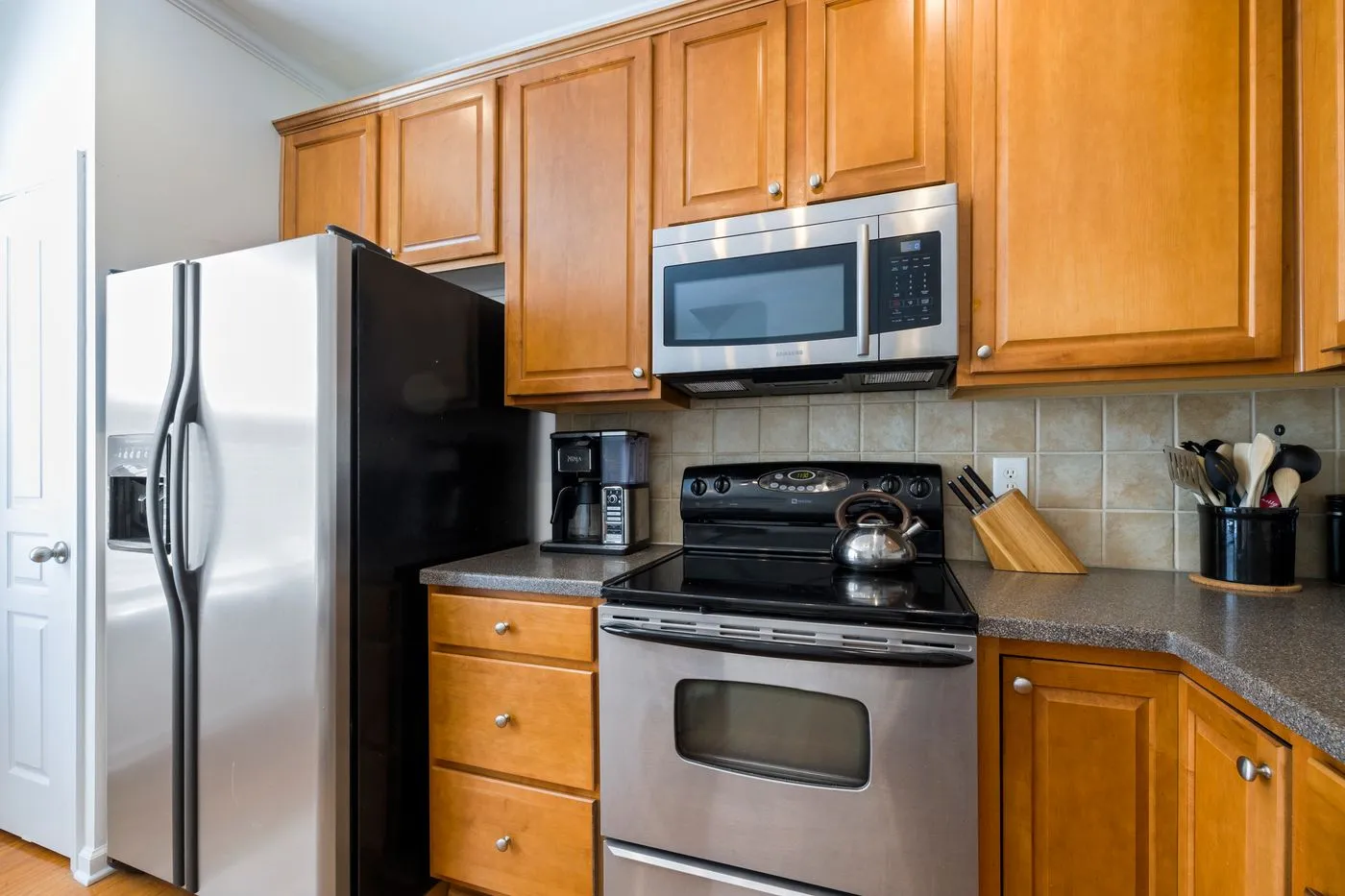
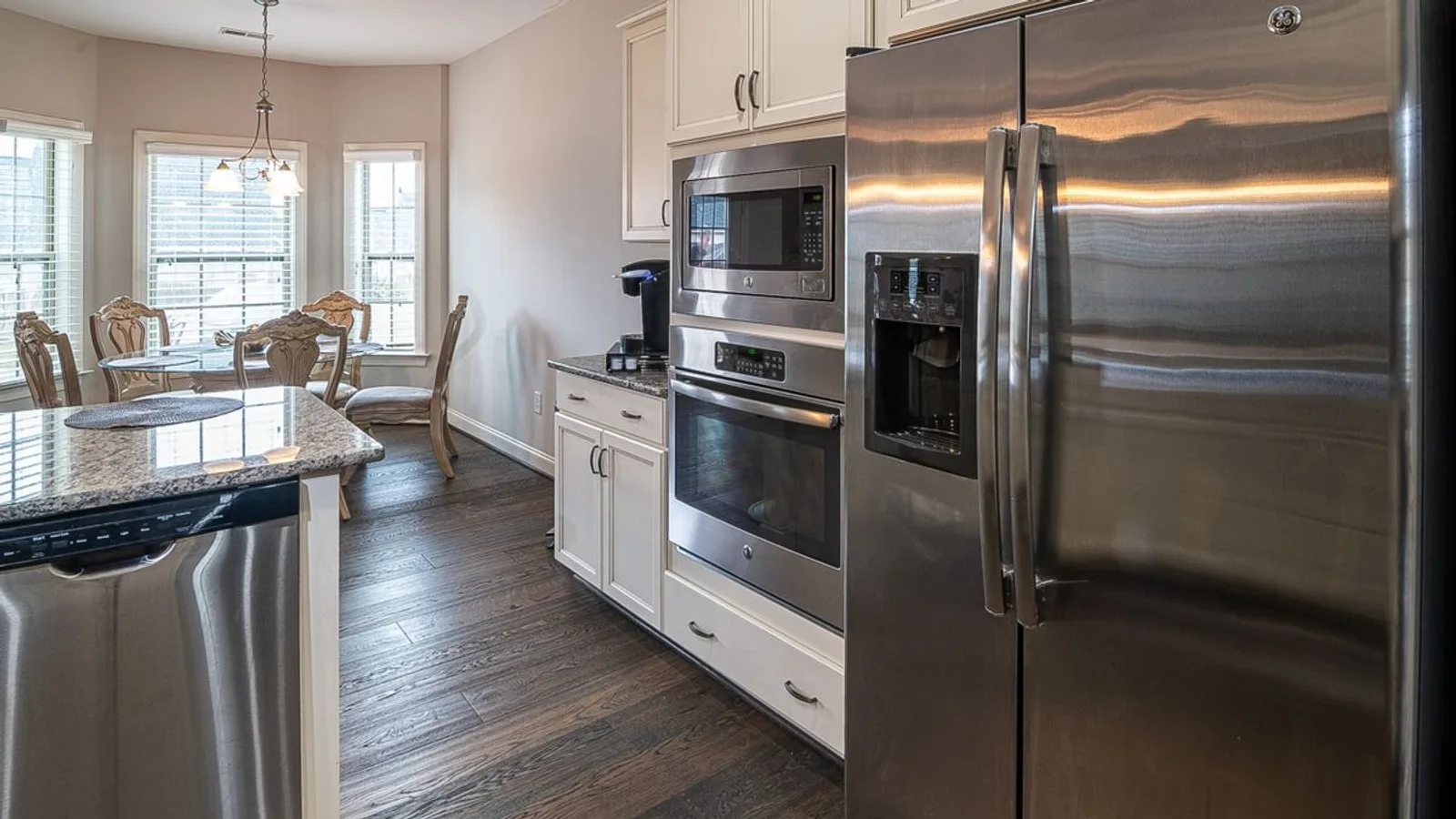
This is an appliance collection, not a strip-out. A crew removes the fridge, freezer, oven, hob, extractor hood, dishwasher and any washing machine or dryer that shares the kitchen, along with the packaging from anything new that has just been delivered. That is the full scope.
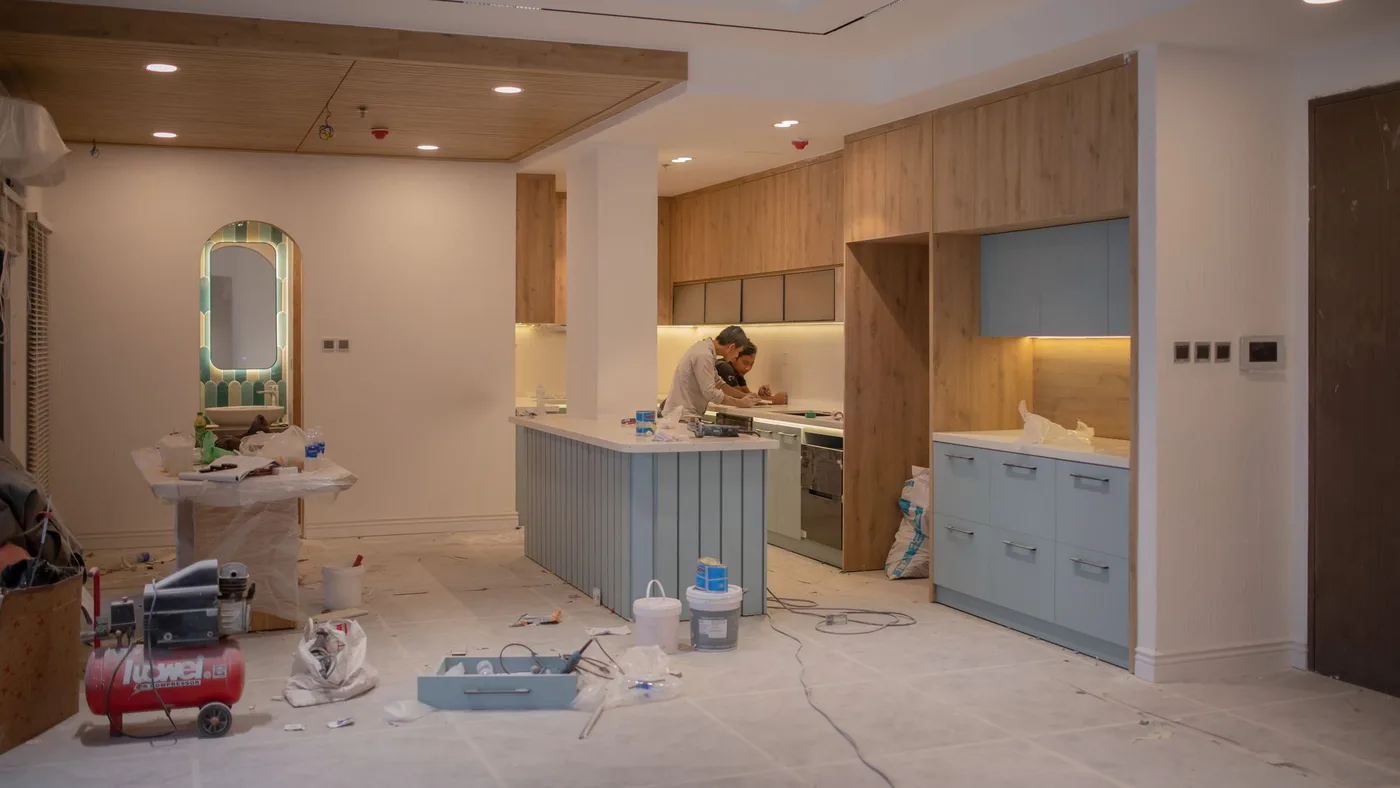
Cabinetry, countertops, tiling, plumbing and any structural work stay with the fit-out contractor. Cutting out a fitted kitchen carcass or hauling tiling debris is construction waste and needs a licensed construction waste carrier, not an appliance removal booking. Keeping that line clear matters, because it is the difference between a job that starts on time and one that gets held up by scope confusion on site.
Included: fridges, freezers, ovens, hobs, extractor hoods, dishwashers, washing machines and dryers standing in or fitted to the kitchen.
Included: the cardboard, foam and pallet wrap from newly delivered replacement appliances.
Not included: cabinetry, worktops, tiling, flooring or any demolition and construction debris.
Not included: gas or plumbing disconnection that needs a licensed technician rather than a removal crew.
Why a Renovation Clearance Is Not a Single Pickup
A one-off appliance collection is booked around the resident. A renovation collection is booked around the contractor, and that changes almost everything about how the visit runs.
Instead of one item, a crew is usually clearing four to six appliances in a single visit, several of which are built into cabinetry that is itself about to be demolished. The household also has a hard deadline it does not control: the contractor's start date. Miss that date and the renovation stalls with the fit-out crew standing around a kitchen that still has a fridge in it.
Once the fit-out trades are on site, an old appliance still standing in the kitchen is the thing holding everyone else up.
Built-In vs Freestanding: What Changes at Collection
The two appliance types leave the kitchen in different ways, and knowing which is which before the crew arrives saves time on the day.
Appliance
Typical fitting
What happens before it moves
Fridge, freezer, washing machine, dryer
Freestanding
Unplugged, and a washer or dryer has its water and drain hoses disconnected
Built-in oven, built-in microwave
Screwed into a cabinet housing
Unplugged and unscrewed from the housing before it can be lifted out
Gas hob
Set into the worktop, gas-connected
Isolated by a licensed gas technician first; the crew collects it once it is free
Extractor hood
Fixed to a cabinet or ceiling void
Unscrewed from its mounting and the ducting released
Dishwasher
Fitted under the counter, plumbed in
Water supply and drain disconnected, then slid out from under the counter
Freestanding appliances slow a job down the least. Anything screwed into cabinetry or connected to gas needs a step before the crew can lift it.
Gas disconnection sits outside what a removal crew is licensed to do. If the hob is still gas-connected, that isolation has to happen first, usually arranged by the contractor or a licensed technician, and the crew collects the hob once it is free to move.
Sequencing the Collection Around the Contractor
The best time for an appliance collection is the day or two before demolition starts, once the household has finished cooking out of that kitchen but before the fit-out crew needs the room empty.
1Confirm the contractor's demolition start date and work backwards from it, not forwards from when it is convenient to book.
2Check which appliances are gas-connected and arrange isolation with a licensed technician ahead of the collection.
3Decide which appliances, if any, are staying (a dining-room fridge, a laundry washer outside the kitchen) so the crew only clears what is genuinely leaving.
4Book the collection for one to two days before demolition, giving a buffer if the contractor's date slips.
5Send photos of the kitchen on WhatsApp so the crew arrives knowing the mix of freestanding and built-in units.
Booking too early leaves a household without a working kitchen for longer than needed. Booking too late risks a fit-out crew standing idle on their first paid day, which costs more than the appliance collection itself. A two-day buffer before the contractor's date is the safest margin in either direction.
Where the Old Appliances Go
Every appliance leaving a renovated kitchen counts as e-waste once it is out. Fridges and freezers need refrigerant recovered by a licensed handler before anything else happens to them, which is covered in full in refrigerator removal. Metal frames, motors and compressors are stripped for recycling, and any appliance still working is set aside for donation rather than scrapped outright.
Still working: Set aside for donation or resale rather than recycled, provided it is safe and functional. Covered in detail in our guide to donating working appliances.
End of life, metal-bodied: Fridges, freezers, ovens and dishwashers are stripped for their metal, motor and compressor components once any refrigerant is safely recovered.
Small electronics: Control panels and circuit boards from newer appliances are routed as e-waste rather than mixed with the general metal stream.
The appliances that come out are only half the job. What goes back in usually arrives boxed, and that packaging needs clearing too.
The Part Households Forget: New Appliance Packaging
A renovation does not end when the old appliances leave. New ones arrive boxed, wrapped in foam and strapped to pallets, and that packaging piles up fast in a kitchen that already has no bin space to spare.
A single collection can be booked to cover both ends of the job: the old appliances going out before demolition, and the delivery packaging coming out once the new ones are installed. Flagging both at booking time means one crew relationship covers the whole renovation rather than two separate, unrelated calls.
Key Takeaways
A renovation appliance collection clears fridges, ovens, hobs, hoods, dishwashers and washing machines in one visit, timed to finish before demolition starts.
Freestanding appliances just need unplugging; built-in ones need unscrewing from cabinetry, and gas hobs need isolation by a licensed technician first.
Book the collection one to two days before the contractor's start date to give a buffer without leaving the household without a kitchen too long.
Cabinetry, tiling and fit-out debris are outside this service and need a licensed construction waste carrier.
New appliance delivery packaging can be cleared in a second, later collection once the kitchen is finished.
Why Choose Junk Service in Dubai
As a local, fully insured team, Junk Services Dubai makes clearing your space simple — fast pickups, fair upfront pricing and responsible disposal across every Dubai community.
Same-Day Availability
Book today and, where crews are free, we clear it today — with no rush surcharge.
Fair, Upfront Pricing
A flat price agreed before we arrive, based on volume, items and access. No surprises.
Insured, Uniformed Crews
Background-checked teams who do all the lifting and protect your floors, lifts and walls.
Responsible Disposal
We sort for reuse, donation and recycling in line with Dubai Municipality guidance.
Our editorial team is made up of the crews and coordinators who clear homes, villas and offices across Dubai every day. We share practical, first-hand guidance on decluttering, disposal and responsible waste removal in the UAE.
FAQ
Frequently Asked Questions
Yes. Built-in ovens, microwaves and dishwashers are unscrewed from their housing and disconnected before they are lifted out. Gas hobs need isolation by a licensed technician first; the crew collects the hob once that isolation is done.
Yes, that is how most renovation collections are booked. A crew clears the fridge, oven, hob, hood, dishwasher and any washing machine in a single visit, usually scheduled a day or two before the demolition start date.
Yes, as a separate collection once the new appliances are installed. Flag this at the time you book the old appliance removal so both visits can be planned around the same renovation.
The appliance collection needs to happen before demolition, not during it. Coordinate the date with your contractor so the kitchen is appliance-free when their crew arrives, since demolition debris is outside what this service covers.
A few days is usually enough, though booking a week ahead gives more flexibility if the contractor's date shifts, which renovation schedules often do. Confirm the date as soon as it is fixed rather than waiting until the week itself.
No. This service covers appliances only. Cabinetry, worktops, tiling and any demolition debris are construction waste and need a licensed construction waste carrier, not an appliance removal booking.
It is set aside for donation or resale rather than scrapped, provided it is safe and functional. Fridges and freezers still need their refrigerant recovered by a licensed handler before they leave the property either way.
Final Thoughts
The appliances are rarely the hard part of a kitchen renovation. Getting them out on the right day, ahead of a contractor whose schedule does not bend, is what matters most.
Confirm your demolition date first, then work backwards to a collection slot with a day or two of buffer. If you are weighing whether an appliance is worth keeping at all before the renovation starts, our guide to repair vs replace vs dispose covers that decision.
Book Your Pre-Renovation Appliance Collection
Tell us your contractor's start date and which appliances are freestanding versus built in, and we will size the crew and confirm a flat price before the visit.
WhatsApp Us photos of the kitchen, Call Now if your renovation date is close, or Schedule a Pickup for the day before demolition starts.
A practical guide to household appliance pickup in Dubai — booking a safe collection for old fridges, washing machines, ovens and AC units, delivery-day swap-outs, apartment and villa pickups, same-day service, and responsible recycling and reuse.
Why a washing machine can cost more to take away than a sofa, and what genuinely moves the price of appliance removal in Dubai: weight, how the unit is connected, the route out, and how many go in one visit.
A fridge that has stopped cooling properly is a decision, not yet a disposal. How to work out whether a repair is worth paying for, when replacement wins, and what Dubai's water and heat do to the maths.

 Guides