Battery Disposal in Dubai: Handling Used Cells Safely
The Junk Services Dubai Team 5 min read
Almost every home has a drawer with a handful of dead batteries in it, and almost nobody knows what the last step is meant to be. Batteries are not collected with general junk, and the reason has nothing to do with paperwork. This guide covers which types matter, how to store them until they go, and what happens to the devices they are sealed inside.
Why Batteries Are Kept Out of a General Waste Load
A drawer of dead cells looks harmless, and most of the time it is. The problem starts when those cells are tipped into a mixed load and something heavy settles on top of them during a drive across town.
Crushed or punctured cells can short, heat up and ignite, and a lithium cell does it fast enough that nothing can be done about it inside a moving vehicle. That single behaviour is why batteries are pulled out before a clear-out rather than sorted afterwards.
The Battery Types a Dubai Home Collects
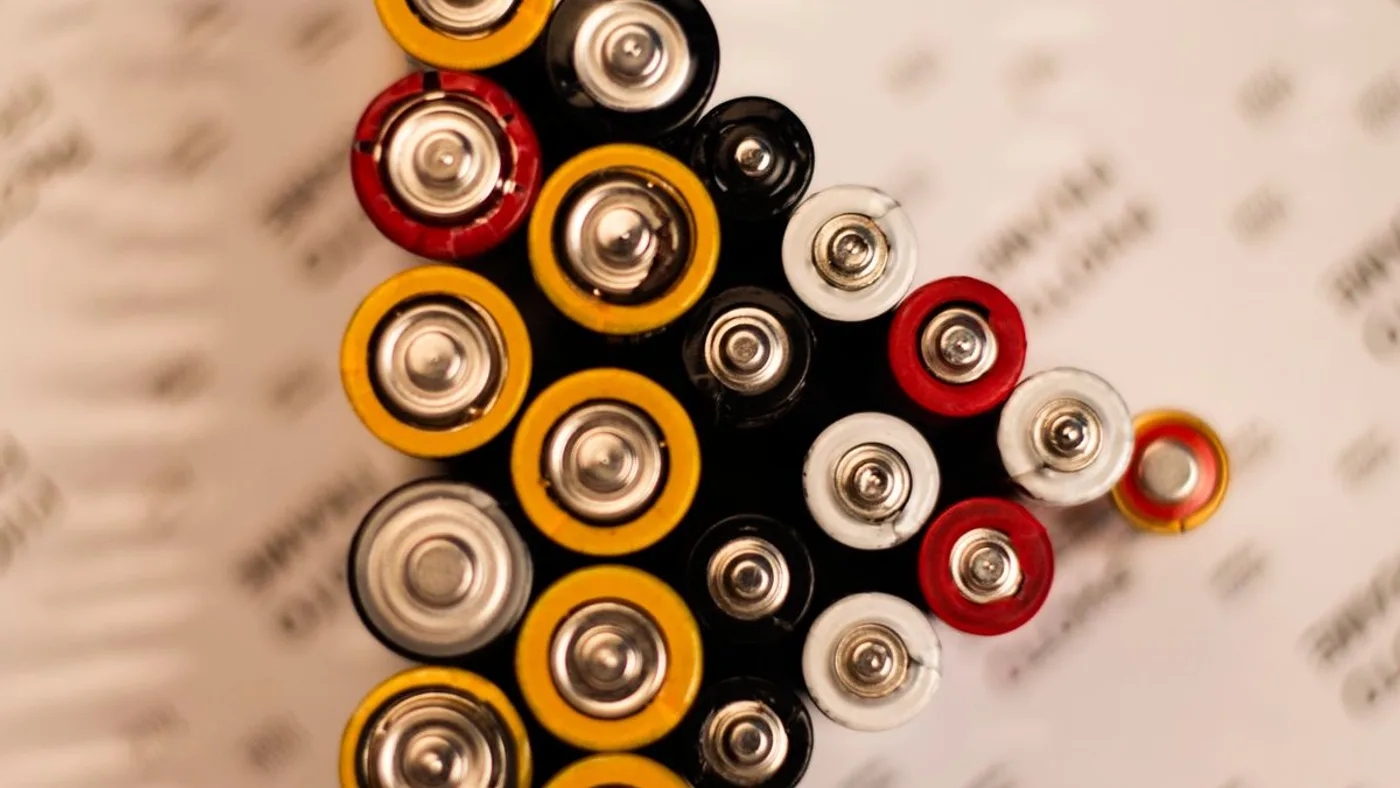
Alkaline single-use cells: AA, AAA, C, D and the rectangular nine volt. Remotes, wall clocks, torches and smoke alarms produce most of them, and they gather in a kitchen drawer for years.
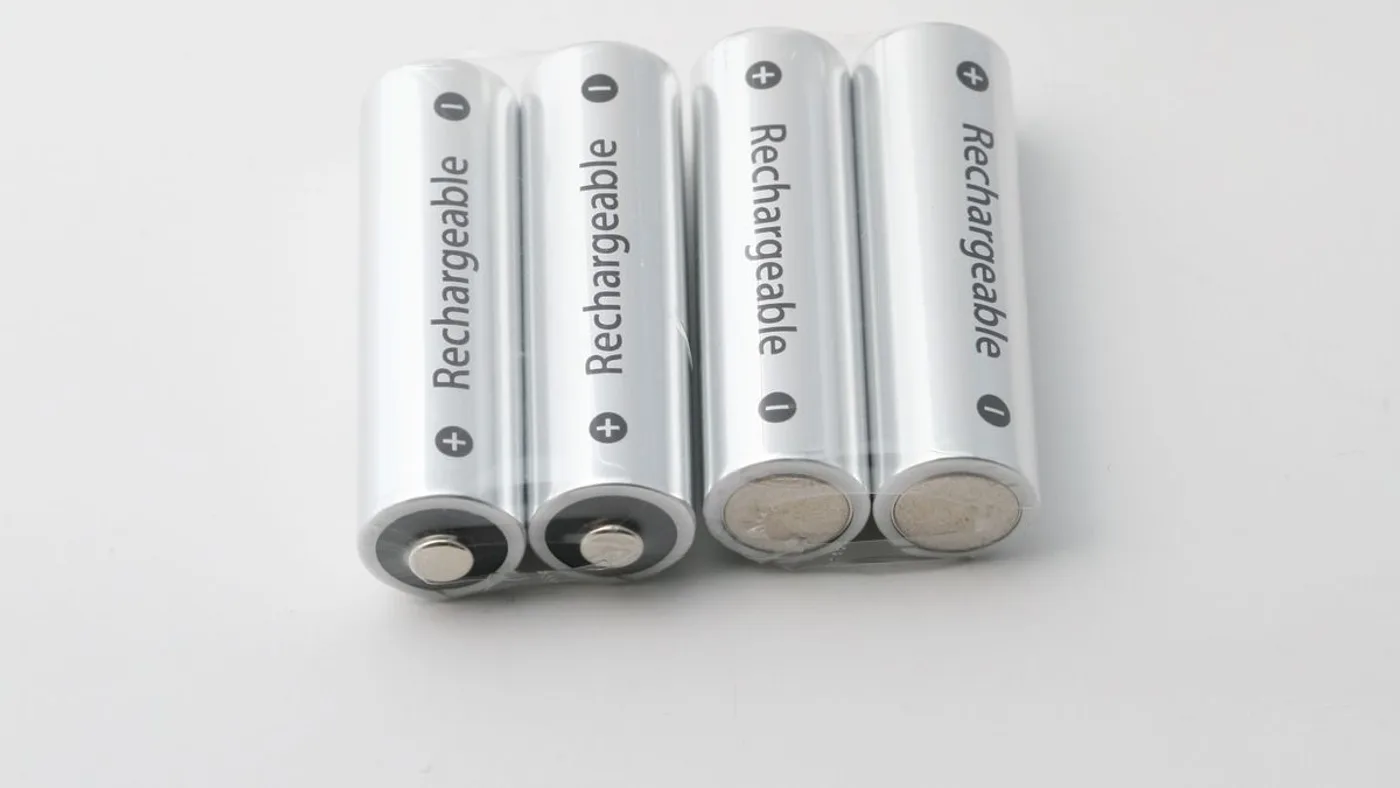
Rechargeable cells: Nickel and lithium rechargeables in the same AA and AAA sizes, plus the removable packs that come with cordless drills, vacuums and children's ride-on toys.
Button and coin cells: The small flat cells in watches, bathroom scales, key fobs and hearing aids. Easy to lose, easy for a child to swallow, and best kept in a sealed container.
Sealed lithium packs: The batteries built into phones, laptops, tablets and power banks. They are not designed to be taken out by hand and should not be.
Which Ones Need the Most Care
Type
What can go wrong
How it is handled
Alkaline AA and AAA
Leaks a corrosive crust when left in a device for years
Tape both ends, box them together, keep the box dry
Lithium rechargeables and tool packs
Ignites if crushed, punctured or shorted
Keep them whole, out of any mixed load and out of a hot car
Button and coin cells
Small enough to be swallowed, and shorts easily against loose metal
Tape each one and keep them in a sealed rigid container
Power banks and laptop packs
Swells with age and heat, and a swollen pack is already failing
Stop using it, keep it clear of anything flammable, use a take-back point
Vehicle batteries
Heavy, corrosive contents and a serious short risk across the terminals
Keep upright, tape the terminals, and use a battery take-back point
The common thread is the terminals. Almost every battery incident starts with two contacts touching something they should not.
Taping over the terminals is the most useful thing to do before batteries go into a box together.
Collecting and Storing Them Until Handover
1Put a rigid container somewhere central, a plastic box or an old biscuit tin rather than a carrier bag.
2Tape over both ends of each cell as it goes in, using any ordinary sticky tape.
3Keep the container indoors and out of direct sun, since heat shortens the life of anything still holding charge.
4Keep the lid on, and stand the container away from anything that would burn if the worst happened.
5Take the box to a battery take-back point once it fills rather than letting it sit for years.
Retail take-back is the usual route in Dubai. Electronics retailers and larger supermarkets often keep a battery collection point near the entrance, and some community buildings have one by the management office.
Batteries That Are Still Inside Something
Most of the lithium in a home is not loose in a drawer. It is sealed inside a laptop, a phone, a cordless vacuum or a power bank, and prising it out by hand is the one thing not to do.
Leave sealed packs where they are, because a device with its battery intact is handled as electronics rather than as loose battery waste.
Flag anything swollen at booking, since a bulging pack changes how the item is carried and where it sits in the vehicle.
Wipe personal data off phones, tablets and laptops before they leave the house.
Take loose AA and AAA cells out of toys and remotes, because those come out easily and belong in the battery box.
Keep a cordless tool pack with its tool so the pair travels as one item.
Rechargeable cells run for years, which is why a household usually meets them only at the end of their life.
Clearing a Room Around a Battery Box, and Booking
Setting the batteries aside does not slow the rest of a clear-out. In a villa store room in Dubai Hills Estate or a home office in Business Bay, the shelving, the old cables, the packaging and the broken electronics all go in the same visit while the battery box stays behind for a take-back point.
Send photos when you book and our junk removal team will confirm what is in scope and a flat price for everything else in the room.
Key Takeaways
Batteries are separated before a clear-out because crushed or shorted cells can ignite inside a mixed load.
Taping both terminals is the single step that prevents almost every household battery incident.
Loose cells belong in a rigid container kept indoors and out of direct sun, then handed to a retail take-back point.
Sealed lithium packs stay inside their device, which is then handled as electronics rather than battery waste.
A swollen power bank or laptop pack has already failed and should be kept clear of anything flammable.
Why Choose Junk Service in Dubai
As a local, fully insured team, Junk Services Dubai makes clearing your space simple — fast pickups, fair upfront pricing and responsible disposal across every Dubai community.
Same-Day Availability
Book today and, where crews are free, we clear it today — with no rush surcharge.
Fair, Upfront Pricing
A flat price agreed before we arrive, based on volume, items and access. No surprises.
Insured, Uniformed Crews
Background-checked teams who do all the lifting and protect your floors, lifts and walls.
Responsible Disposal
We sort for reuse, donation and recycling in line with Dubai Municipality guidance.
Our editorial team is made up of the crews and coordinators who clear homes, villas and offices across Dubai every day. We share practical, first-hand guidance on decluttering, disposal and responsible waste removal in the UAE.
FAQ
Frequently Asked Questions
No. Batteries are separated out and taken to a retail take-back point instead, because a cell that is crushed inside a bin lorry can short and ignite. Collecting them in a box at home and dropping the box off is the practical route.
Damaging the internal separator lets the two sides of the cell touch, which releases the stored energy as heat in seconds. The reaction feeds itself once it starts, which is why an intact lithium cell is safe and a punctured one is not.
Not into separate containers, but they do need taping so terminals cannot touch each other. One box with every cell taped is safer than four untaped boxes sorted neatly by chemistry.
Stop using the device, keep the battery away from anything flammable, and do not press or puncture it. Put it in a rigid container on its own, mention it when you arrange a drop-off, and move it as little as possible.
They go to the same take-back points, but they need more care in the meantime because they hold more energy at end of life. Tape the terminals and keep rechargeables out of a drawer where loose metal could bridge them.
Take out loose AA, AAA and coin cells that lift out by hand. Leave sealed packs inside laptops, phones and cordless vacuums, since those devices are processed as electronics with the battery still in place.
Both hold sealed lithium packs and go to a take-back point rather than into a general load. A power bank is small enough to add to a battery box, while a laptop is easier to hand over whole.
It does. Heat accelerates self-discharge and swelling, and a battery box left on a balcony or in a parked car ages far faster than one kept indoors. A cupboard in an airconditioned room is the right place for it.
Final Thoughts
Batteries are one of the few household items where the handling matters more than the disposal route. A taped cell in a rigid box indoors is safe for as long as it takes to reach a collection point, and an untaped one loose in a drawer is the version that causes problems.
The rest of the room is a different question, and our waste removal team can clear it in one booked visit.
Book a Pickup for Everything Else in the Room
Keep the battery box for a take-back point and let us handle the rest. Tell us what is in the room, flag any device with a swollen pack, and we will confirm the scope and a flat price up front.
Book a Pickup for a store room or home office, Call Now to check a specific device, or WhatsApp Us with photos.
A practical guide to electronics disposal in Dubai — responsible collection of household and office e-waste, from TVs, laptops and phones to printers, monitors and IT equipment, why data security and hazardous parts matter, how to prepare devices, and Dubai Municipality-compliant recycling.
Paints, aerosols, batteries, lamps and pool chemicals are handled apart from a general clear-out. What counts as hazardous household waste in Dubai and what to do with each type.
A practical guide to computer disposal in Dubai — collection of home PCs, office desktops and workstations and bulk IT equipment, why data security and hazardous parts matter, a comparison of disposal routes, a preparation checklist, and Dubai Municipality-compliant e-waste recycling.

 Guides