 Guides
 6 min read
Dubai Waste Disposal Rules: What Residents Need to Know
Waste rules in Dubai arrive in three layers: the emirate, your community, and your building. Here is what each one governs and what never belongs in a bin.
Read Article

People ask about permits because the word covers three different things in Dubai, and only one of them ever stops a collection going ahead. This guide separates the government licence, the building's own approval and the service lift booking, and explains which of them is your responsibility. The one that derails jobs is almost never the one people worry about.
You do not apply for anything to have junk removed from your home or office in Dubai. There is no resident permit, no householder licence and no government form to submit before a crew arrives.
The regulatory requirement exists, but it sits one step away from you. It applies to the company that collects, transports and disposes of the material. Hiring an operator that holds the right permissions is how a household meets the standard, and it is the entire extent of your obligation on the government side.
Most people asking about permits are running into building management, not government. Apartment towers and managed communities set their own rules for moving bulky items through shared space, and those rules do stop collections when they are missed.
The paperwork goes by several names depending on the developer: a move-out permit, a works permit, or an NOC from the management office. It is issued by the building, not by an authority, and it usually exists so management knows who is in the service corridors and when.
That last point catches tenants at the end of a tenancy more than any other. The permit is withheld for a reason unrelated to the removal itself, and the collection has to be rescheduled. Our guide to end of tenancy junk removal covers how that fits into the wider move-out sequence.
The licensing question is worth asking, but ask it about the company rather than about yourself. An operator collecting and transporting waste needs to be permitted to do so, and needs insurance covering the crew working inside your property.
This is the practical reason to avoid an unmarked van offering to clear a flat cheaply. The saving disappears the moment material is fly-tipped somewhere and traced back, or a crew member is injured on a staircase with no cover in place. The obligation follows the material rather than ending when it leaves your door.
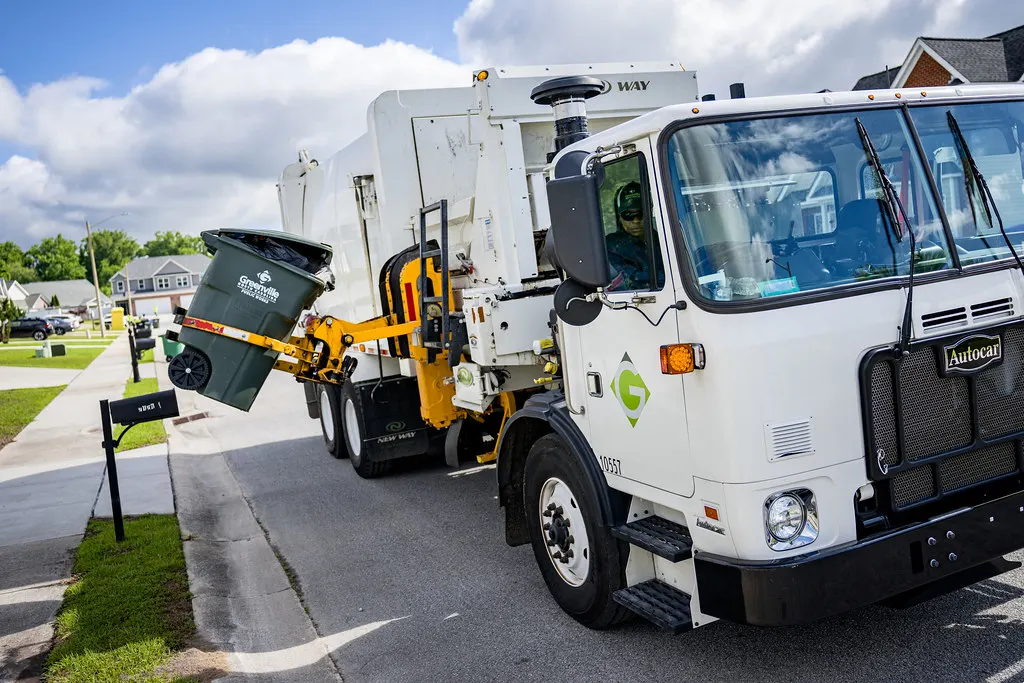
It also explains why routine bin collection and junk removal are different services. The scheduled kerbside round handles bagged household waste. A sofa, a wardrobe or a room of clutter falls outside it, which is what a booked removal or a bulky waste collection exists to cover.
The permission burden changes with the property type, and it is almost entirely an access question rather than a legal one.
Responsibility for the building approval usually surprises people, because it does not sit with the removal company.
| Approval | Who arranges it | When |
|---|---|---|
| Move-out or works permit | The occupier, tenant or owner | A few days before collection, since management offices work to their own turnaround |
| Service lift booking | The occupier, as building management deals with residents rather than visitors | At the same time as the permit, for a specific window |
| Security gate registration | The occupier, using crew and vehicle details from the removal company | The day before, in most gated communities |
| Waste transport licensing | The removal company | Held continuously, not arranged per job |
| Public liability insurance | The removal company | Held continuously, not arranged per job |
Landlords and property managers clearing a unit between tenancies sit in a different position again, particularly where a previous tenant left belongings behind. Our guide to removing abandoned tenant belongings covers that case, which turns on the tenancy contract rather than on any permit.
Almost every delayed collection traces back to the same handful of causes, and none of them involve a government permit.
The third point deserves its own note, because it feels like a reasonable interim step. It is not, and our guide to leaving furniture by the bin in Dubai explains why bulky items beside a bin store are treated differently from bagged waste inside it.
As a local, fully insured team, Junk Services Dubai makes clearing your space simple — fast pickups, fair upfront pricing and responsible disposal across every Dubai community.
Book today and, where crews are free, we clear it today — with no rush surcharge.
A flat price agreed before we arrive, based on volume, items and access. No surprises.
Background-checked teams who do all the lifting and protect your floors, lifts and walls.
We sort for reuse, donation and recycling in line with Dubai Municipality guidance.
Written by
The Junk Services Dubai Team
Junk Removal Specialists
Our editorial team is made up of the crews and coordinators who clear homes, villas and offices across Dubai every day. We share practical, first-hand guidance on decluttering, disposal and responsible waste removal in the UAE.
Not from any authority. You may need a move-out or works permit from your building management, plus a booked service lift slot. Both are building rules rather than government permits, and the occupier arranges them.
No. Building management deals with residents and owners rather than with visiting contractors, so the occupier books the lift slot. Give the crew's arrival window to management when you book it.
One permitting it to collect and transport waste, together with insurance covering its crew working inside your property. Ask about both before booking, along with where the collected material is taken.
Several days rather than the day before. Management offices work to their own turnaround times, and some tie the permit to settled service charges or rent, which takes longer to resolve than the paperwork itself.
Usually less. Gated communities typically want crew and vehicle details registered with security so the truck is admitted, but there is no lift booking or loading bay to coordinate. Independent villas generally need nothing at all.
No. Bin stores are provided for bagged household waste, and bulky items left beside them are treated as a separate issue from ordinary refuse. Keep items inside the property until the crew arrives.
The principle is the same but the building conditions are stricter. Commercial buildings often require the work to happen outside trading hours, and free zone or mall units usually add their own access procedure on top of the standard permit.
The permit question has a short answer and a useful one. Nothing is required of you by an authority, and the licensing that matters is the operator's to hold. Choosing a company that holds it is the whole of your compliance.
Then spend the effort where it pays: on the building. A move-out permit requested early and a service lift booked for a proper window are what make the difference between a collection that runs on time and one that gets turned away at the loading bay.
Tell us your area, floor number and the lift window your management office has given you, and we will confirm crew and vehicle details for your security desk along with a flat price agreed before anyone is dispatched.
WhatsApp Us photographs of the items, Schedule a Pickup around your lift booking, or Speak With Our Team if you are still waiting on a permit.
GuidesWaste rules in Dubai arrive in three layers: the emirate, your community, and your building. Here is what each one governs and what never belongs in a bin.
Read Article Guides
A sofa or mattress left beside your building's bins is not collected as household waste. What happens to it, who ends up paying, and what to do instead.
Read Article Guides
Bulky waste is anything too big for your building's bins or chute. Here's what counts in Dubai, why it needs its own collection, and how a pickup is arranged.
Read Article