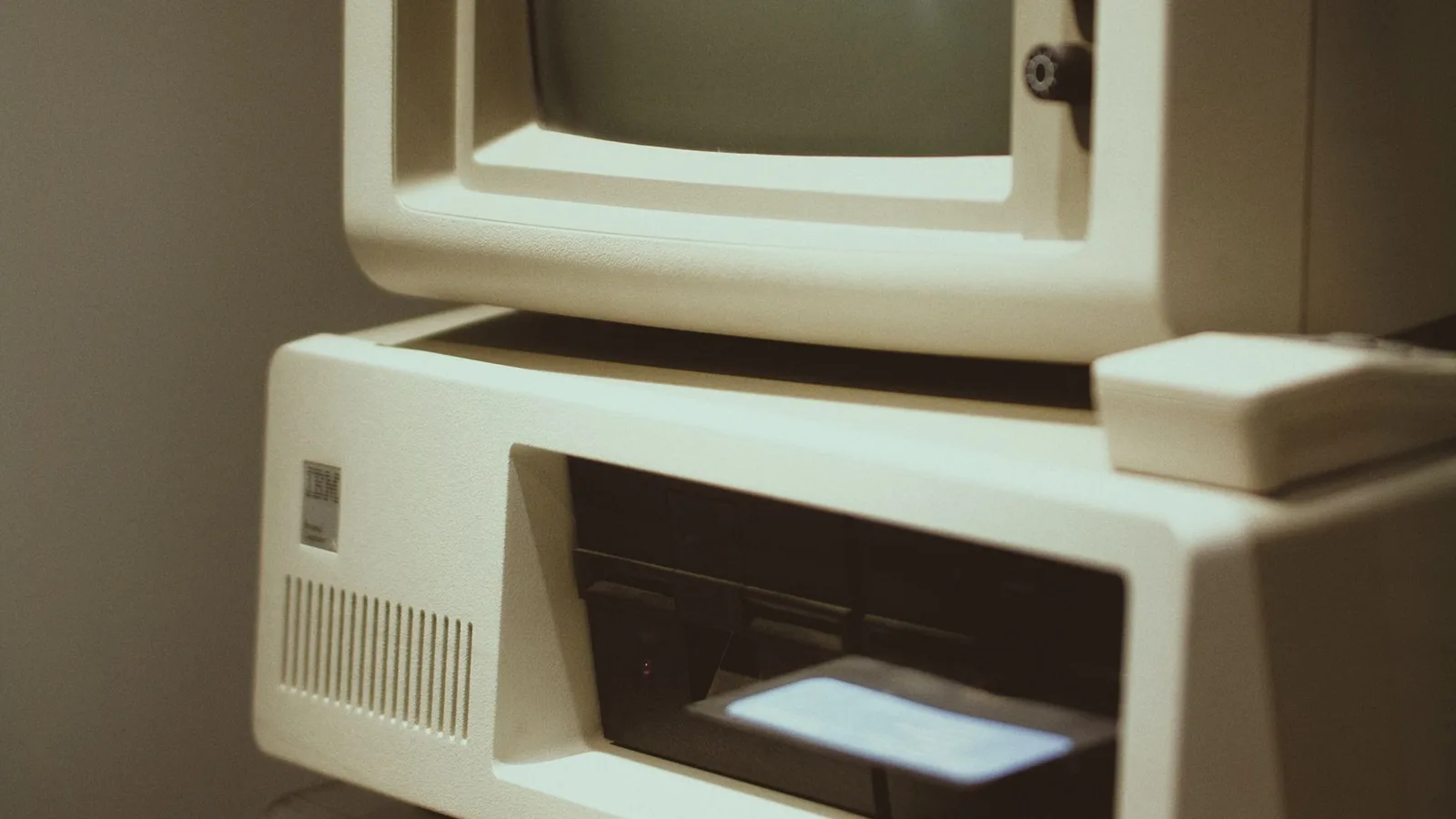
Old electronics are the one category of household clutter where throwing it away and disposing of it legally are not the same act. This guide covers what legal disposal requires of you in Dubai, which routes meet that standard, and how to check that a collection genuinely follows one. The short version is that the licensing obligation sits with whoever carries the material away rather than with you.
Legal disposal of electronics in Dubai means two things at once: the material never enters the general waste stream, and the party carrying it away is permitted to handle it. Meeting the first condition without the second is still not compliant.
That gap is where most residents go wrong. Handing a broken laptop to someone who offered to take it, without knowing what they do next, is not a disposal route. It is a transfer of the problem, and the obligation travels with the material rather than ending at your door.
There is no separate licence a resident applies for, no form to file and no fee due at the point of disposal. Your part is choosing a route that carries the obligation properly. Everything below follows from that.
Why Electronics Are Not Ordinary Waste
Three properties separate a dead device from a bag of household rubbish, and each one is a reason the general bin is the wrong destination.
Stored data: Phones, laptops, desktops, external drives and even some printers hold personal or client information that survives a factory reset less reliably than people assume.
Hazardous components: Lithium cells can ignite when crushed in a compactor, older television and monitor glass contains lead, and fluorescent backlights carry mercury.
Recoverable material: Circuit boards, cabling and casings hold copper, aluminium and other metals that are worth recovering rather than burying.
The first property is a risk to you. The second is a risk to the crew and the vehicle. The third is the reason a compliant route exists at all, because e-waste is treated as a material stream to be recovered rather than waste to be disposed of.
Which Disposal Routes Meet the Standard
Route
What it suits
Why it is compliant
Retailer or manufacturer take-back
One device being replaced like for like
The retailer takes on the onward handling obligation at the point of exchange
Licensed e-waste collection
Any volume, from one device to an office refresh
The operator is permitted to transport the material and route it to a processor
Donation or resale of working devices
Anything that still switches on and holds a charge
Reuse, so no disposal happens at all. Wipe the data before it leaves
Community collection points
Small items such as phones, cables and batteries
The host arranges onward processing in bulk
The general waste bin
Nothing that runs on a plug or a battery
Not a compliant route for any powered device, at any size
The last row is the only one people default to by accident, and it is the only one that fails.
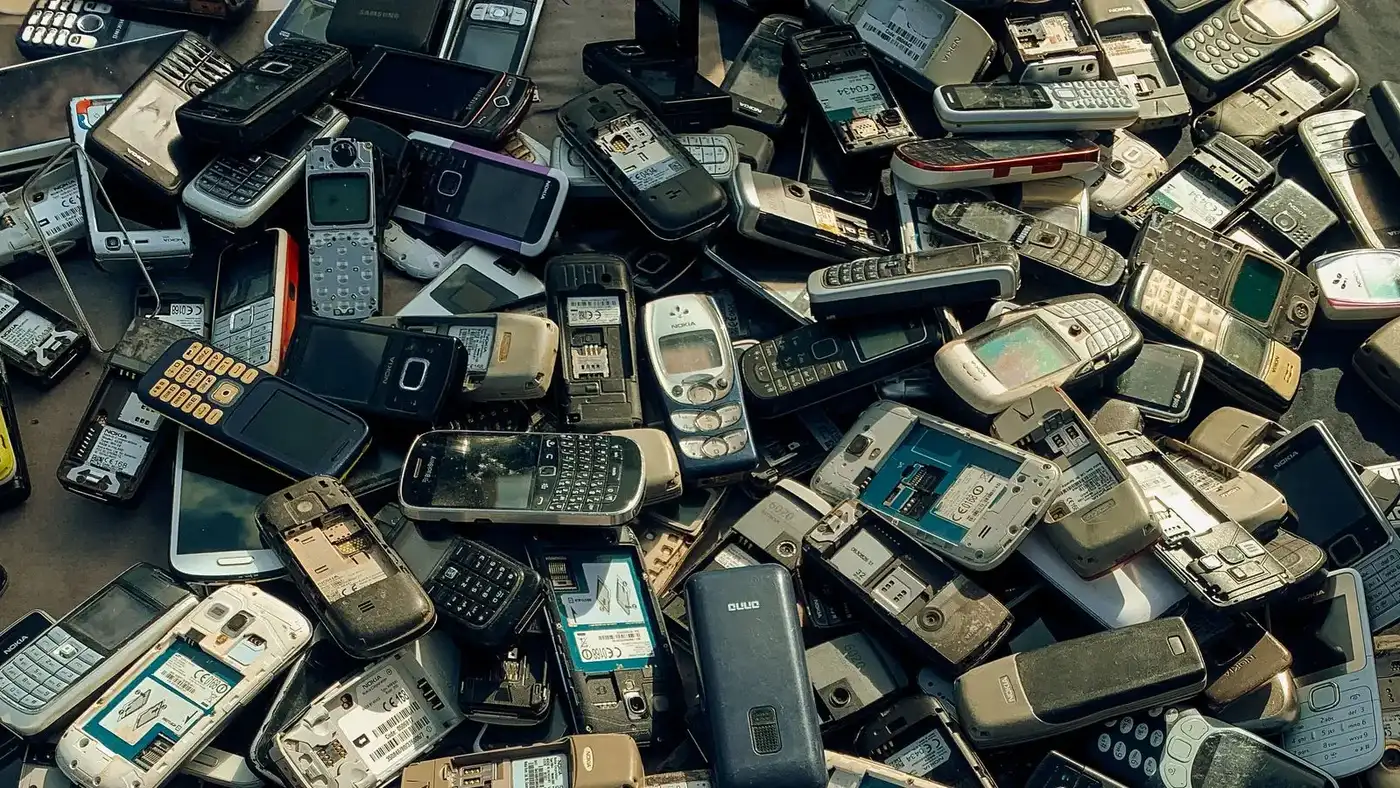
Small devices are where the bin route creeps in, because a single charging cable or an old phone does not feel like waste worth thinking about. The rule does not scale with size. A phone battery in a compactor behaves the same way whether it arrived alone or in a box of fifty.
Households and Businesses Carry Different Paperwork
A household has nothing to file. Choosing a collector that handles e-waste properly is the whole of the obligation, and keeping the booking confirmation is enough of a record for a domestic collection.
A business is in a different position, because the devices leaving an office are company assets and often carry client data. Most finance and IT teams need to show what left the premises and when, which means recording serial numbers and asset tags before collection rather than afterwards. Our guide to computer and IT equipment disposal covers how that record is built for a bulk office collection.
One distinction matters here. Documenting what was collected is not the same as certified data destruction, which is a specialist service with its own audit trail. We can record what left your premises for your own files. If your compliance policy requires certified destruction of drives, arrange that separately before the collection.
How to Check a Collection Is Genuinely Compliant
Four questions separate a compliant operator from someone with a pickup truck. Ask them before booking rather than on the day.
1Ask where the material goes after collection. A compliant operator names the onward processing route without hesitating, because it is a routine part of the job rather than a difficult question.
2Ask whether e-waste is separated from the general load. Devices thrown in with furniture and household waste end up wherever that mixed load ends up.
3Ask whether the company is insured and licensed to carry waste. The licence sits with the operator, so this is the question that establishes compliance.
4Ask what happens to data-bearing devices specifically, and whether they are handled differently from a kettle or a fan.
5Get the booking and the price in writing. A written confirmation naming the items is the record a household needs and the starting point of the record a business needs.
Serial numbers and asset labels are recorded before collection, not after the device has left the building.
Preparing Devices So the Route Holds
Preparation is short, and skipping it is what turns a compliant collection into a problem later.
Back up anything you still need, then sign out of accounts and wipe the device. Signing out matters as much as wiping on phones and tablets tied to an account lock.
Remove batteries where they come out easily, and tape the terminals of loose lithium cells before they travel.
Leave screens whole. A cracked panel is more hazardous to handle and harder to process than an intact one.
Keep cables and chargers with the device rather than in a separate bag, since they are part of the same material stream.
Do not strip parts out for scrap value. A partly dismantled device is more dangerous to move and less useful to a processor.
Note asset tags and serial numbers if the devices belong to a business.
Air conditioning units, fridges and freezers sit outside this list because they contain refrigerant and are handled under different rules again. Our guides to air conditioner removal and appliance disposal cover those separately.
What Happens After a Compliant Collection
A compliant route does not end at the truck. Collected devices are sorted by type, working units are separated for reuse where that is possible, and the rest is broken down so materials can be recovered.
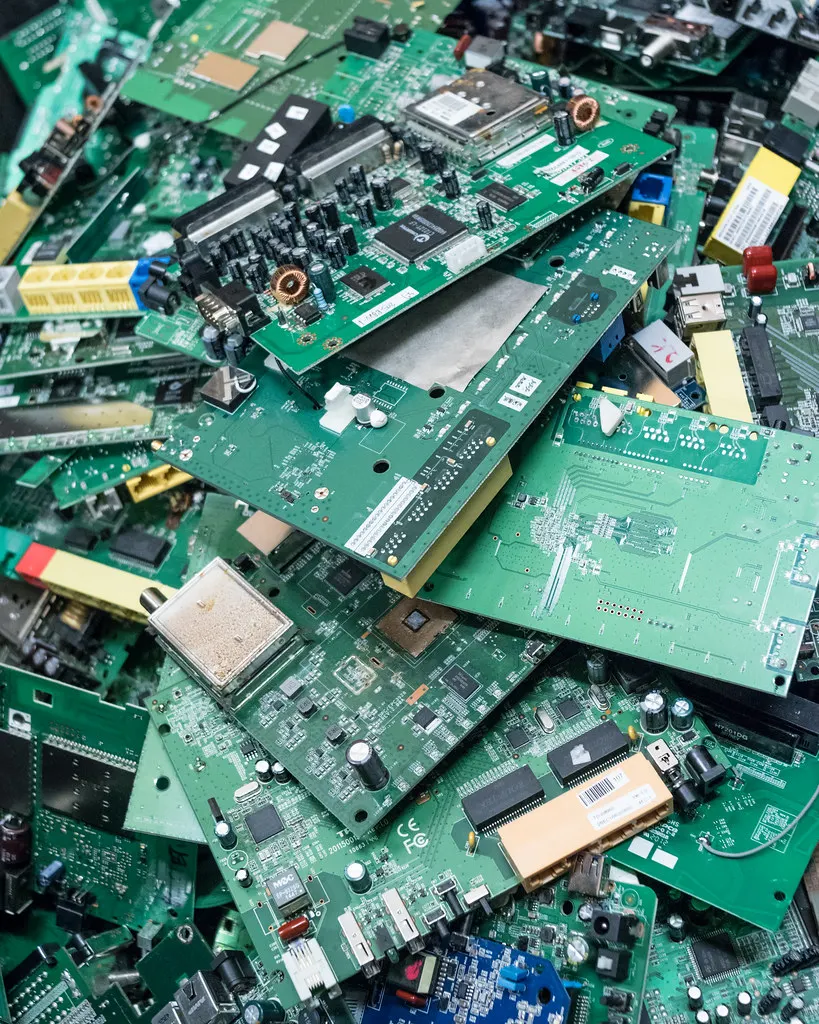
Circuit boards are separated during processing because the metals in them are worth recovering.
Batteries are pulled out early because they are the fire risk. Screens are handled apart from the rest. Boards, cabling and casings go on to be separated into metals and plastics. Anything genuinely unrecoverable is the small remainder rather than the bulk of the load, which is the practical difference between this and the bin. Our guide to where your junk goes after collection follows the wider sorting process across every material stream.
Key Takeaways
There is no personal permit for a resident to obtain. The licensing obligation sits with the operator carrying the material away.
Legal disposal requires both conditions: e-waste stays out of general waste, and the collector is permitted to handle it.
Size does not change the rule. A single phone or charging cable belongs in the same route as an office full of desktops.
Wipe and sign out of devices before collection, and tape the terminals of any loose lithium cells.
Businesses should record serial numbers and asset tags before collection day, not after.
Why Choose Junk Service in Dubai
As a local, fully insured team, Junk Services Dubai makes clearing your space simple — fast pickups, fair upfront pricing and responsible disposal across every Dubai community.
Same-Day Availability
Book today and, where crews are free, we clear it today — with no rush surcharge.
Fair, Upfront Pricing
A flat price agreed before we arrive, based on volume, items and access. No surprises.
Insured, Uniformed Crews
Background-checked teams who do all the lifting and protect your floors, lifts and walls.
Responsible Disposal
We sort for reuse, donation and recycling in line with Dubai Municipality guidance.
Our editorial team is made up of the crews and coordinators who clear homes, villas and offices across Dubai every day. We share practical, first-hand guidance on decluttering, disposal and responsible waste removal in the UAE.
FAQ
Frequently Asked Questions
No. A resident or business does not apply for a personal permit to dispose of electronics. The licensing requirement applies to the company that transports and processes the material, so choosing a licensed operator is what makes the disposal compliant.
No. Any item that runs on a plug or a battery belongs outside the general waste stream, regardless of size. A single phone, charging cable or set of earphones follows the same route as a desktop computer.
Usually not on its own. Sign out of the accounts tied to the device as well as resetting it, because account locks and cloud links survive a reset. For business devices holding client data, arrange certified destruction separately.
Documenting a collection records which devices left your premises and when. Certified data destruction is a specialist service that destroys the storage media and issues an audit certificate. They serve different compliance requirements and are arranged separately.
Ask where the material goes after collection and whether e-waste is separated from the general load. An operator that handles it routinely answers both without hesitating, and will confirm the booking and items in writing.
They are handled under different rules because they contain refrigerant, which has to be dealt with before the unit is processed. Book them as appliance removal rather than including them in an e-waste collection.
No. A partly dismantled device is more hazardous to handle and less useful to a processor, and exposed batteries and cracked screens are the two things a crew most wants to avoid moving. Hand the device over intact.
Final Thoughts
Legal electronics disposal in Dubai is simpler than it sounds once the obligation is placed correctly. You are not applying for anything. You are choosing who carries the material, and that single decision is what makes the disposal compliant or not.
Wipe the devices, keep them intact, and book a collector who separates e-waste as a matter of routine. Our electronics disposal service covers what a collection includes and how it is priced.
Arrange Collection for Your Old Electronics
Send a photograph of the devices with your area and floor number, and we will confirm the items and a flat price before a crew is dispatched. Household drawers of old phones and cables are as welcome as an office store room of monitors.
WhatsApp Us the photographs, Book a Pickup for a slot that suits you, or Speak With Our Team if a business collection needs a record of what was taken.
A practical guide to electronics disposal in Dubai — responsible collection of household and office e-waste, from TVs, laptops and phones to printers, monitors and IT equipment, why data security and hazardous parts matter, how to prepare devices, and Dubai Municipality-compliant recycling.
A practical guide to computer disposal in Dubai — collection of home PCs, office desktops and workstations and bulk IT equipment, why data security and hazardous parts matter, a comparison of disposal routes, a preparation checklist, and Dubai Municipality-compliant e-waste recycling.
Waste rules in Dubai arrive in three layers: the emirate, your community, and your building. Here is what each one governs and what never belongs in a bin.

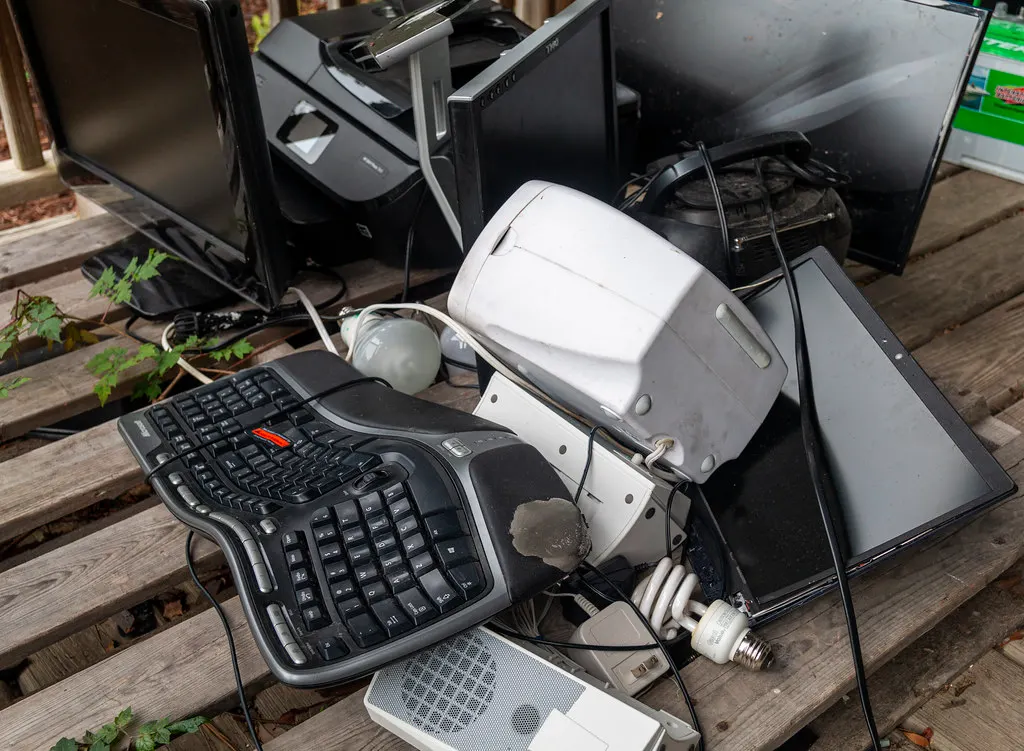
 Guides