Glass Recycling in Dubai: Which Glass Has a Route and Which Does Not
The Junk Services Dubai Team 7 min read
Glass is the one household material that never wears out. A jar melted down becomes another jar at full strength, however many times it goes round, which is why it is worth separating even when the volume is small. The catch is that most of the glass in a Dubai home is not the kind a recycler can use. This guide covers which glass has a genuine route, which pieces ruin a load, and how to move a heavy stream out of an apartment without hurting anyone.
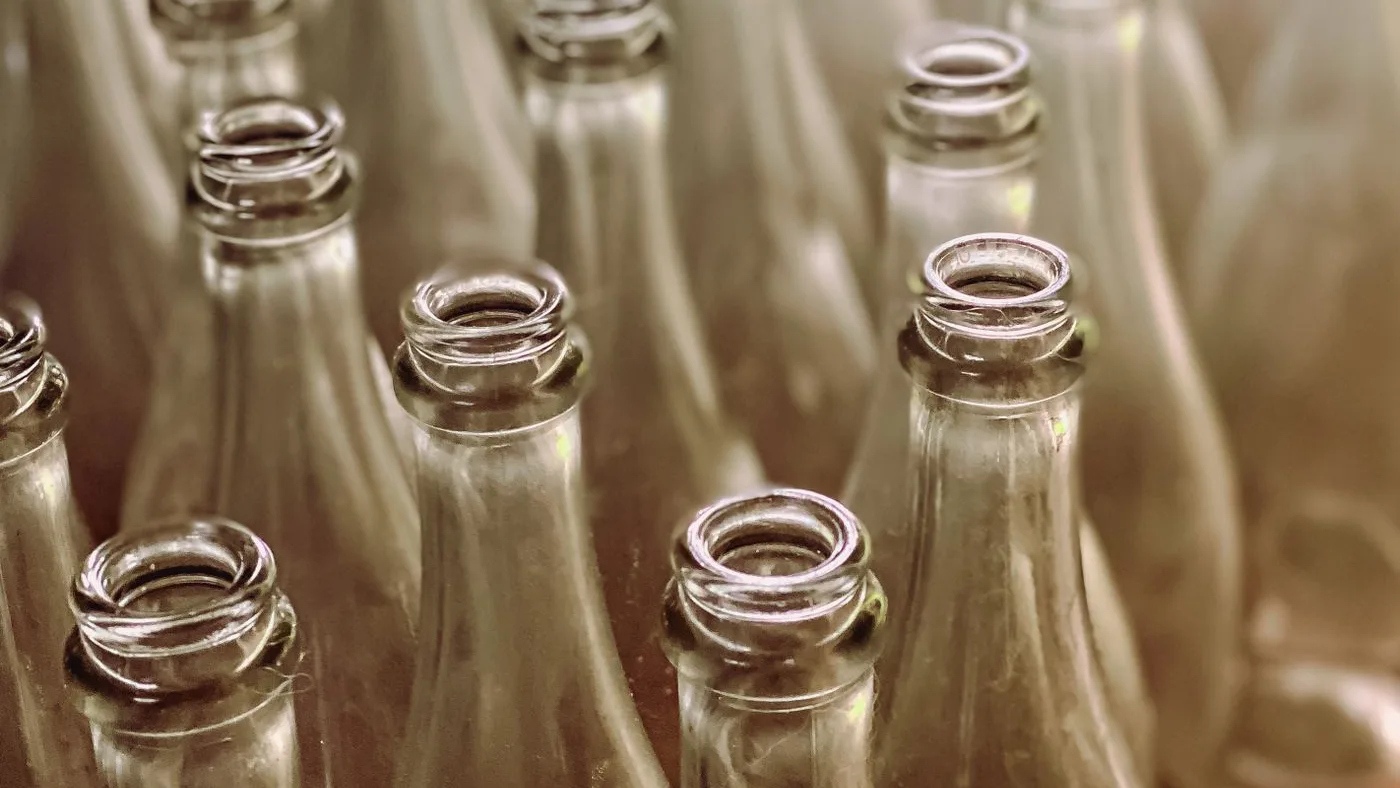
Container glass is the glass that held something: a drink, a sauce, a jam, a coffee, a perfume. It is made to one broad formula and melts at a predictable temperature, which is what lets it be recycled over and over with no loss of strength.
That endless quality sets glass apart from the two streams beside it. Paper fibre shortens a little every time it is pulped, as our paper recycling guide explains, and plastic drops a grade with each cycle. Glass does neither, so the same material can circulate indefinitely.
Condiment and oil bottles, once the residue is rinsed out.
Perfume and cosmetic bottles, with pumps and sprayers taken off.
Colour is part of the material rather than a coating on it, and it cannot be removed in processing. Clear, green and amber glass are melted as separate streams, so grouping them loosely at home helps if you have somewhere to put three small boxes instead of one.
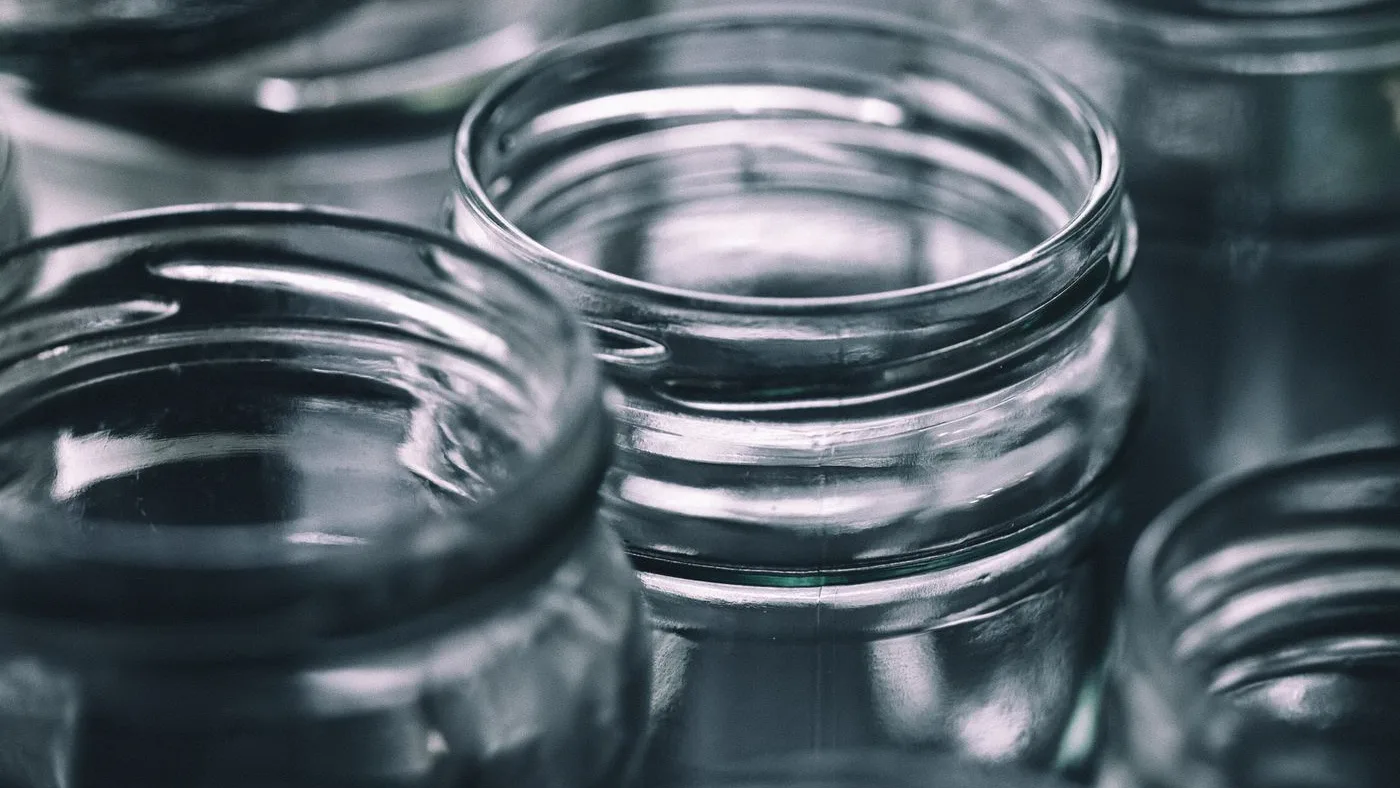
Jars are the half of the glass stream most households forget, and a rinsed jar with the lid off is ready as it stands.
The kitchen: Sauce, jam and pickle jars are the steadiest source in most homes, ahead of bottles in households that do not buy bottled drinks.
The bathroom: Perfume, serum and cosmetic bottles are heavy glass in small packages, and the pump or sprayer on top is a separate material.
Entertaining: Hosting over Ramadan, Eid or a National Day weekend produces a short, sharp spike of bottles and jars across a few days.
Holiday lets and short stays: A changeover between guests empties a kitchen in one go, so short-let units generate glass in bursts rather than a trickle.
The Glass in Your Home That Is Not Recyclable Glass
Most glass objects in a home are not container glass. Drinking glasses, ovenware, mirrors, window panes and light bulbs are each made to a different recipe, with additives that change the melting point. One of them in a load of bottles leaves unmelted lumps in the batch, so the whole load gets downgraded rather than sorted.
Item
Why it is different
Where it goes instead
Drinking glasses and tumblers
Treated for durability, so they melt at a higher temperature than bottle glass
General waste, wrapped, or reuse if unchipped
Pyrex and oven dishes
Borosilicate glass, made not to soften in an oven, which is the opposite of what a recycler needs
General waste, wrapped in card
Mirrors
Backed with a reflective metal coating that cannot be separated from the pane
Collected as a bulky item alongside furniture
Window and door panes
Sheet glass, often toughened or laminated, and part of the building rather than the contents
Handled by the building's own maintenance team
Light bulbs and tubes
Contain wiring, gas or coatings, and tubes need separate handling
Electronics stream, kept whole and unbroken
Ceramics, crockery and stoneware
Not glass at all, and behaves like a stone in a molten batch
General waste, or donated if the set is intact
The rule underneath every row: if it was not made to hold a product on a shelf, it is not container glass.
Mirrored wardrobe doors are the version of this that comes up most in Dubai apartments, where sliding mirrored fronts are close to standard. Those panels leave with the wardrobe on a furniture removal job rather than going anywhere near a glass box.
Glass Is the Heavy Stream, Not the Bulky One
Paper and plastic fill a bag long before they get heavy. Glass does the reverse. A container that looks half empty can be the heaviest thing you carry all week, and a carrier handle will fail under it without warning.
In a tower that matters more than it sounds. Buildings across Dubai Marina and JLT route resident waste through a service lift on a booked slot, and glass is the one recycling stream you cannot carry down a stairwell if that lift is out. Split it across several rigid boxes rather than building one you cannot lift.
Villas have the opposite problem and the easier version of it. A garage or store room in a community like The Springs can hold a crate of glass for weeks at no cost, because heat does nothing to it. Glass is the one stream a Dubai summer cannot degrade, which is why it suits staging in a way damp paper never does.
Broken Glass Changes the Job
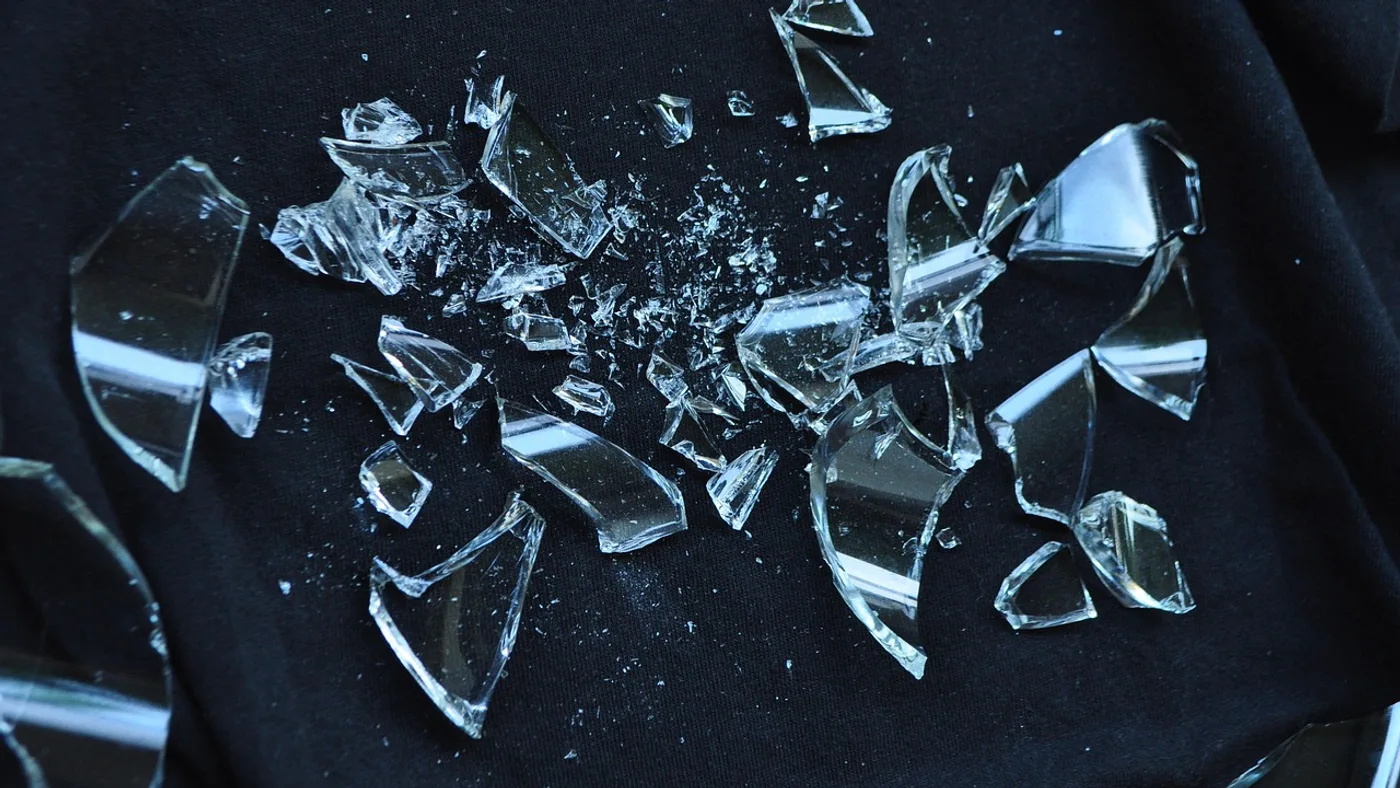
Broken bottles and jars keep their recycling route, but they stop being a sorting question and become a handling one. Loose shards cut through a bag, and the person who gets cut is whoever lifts it next.
Loose shards need a rigid, sealed container before they move anywhere, whatever their recycling route afterwards.
Put shards in a rigid box or a thick jar, never straight into a bag.
Seal and label the container so nobody opens it by hand.
Lift the last splinters with a damp cloth rather than a brush, then bin the cloth.
Say so at booking if a load contains broken glass, so the crew brings gloves and a hard-sided bin.
A shattered mirror or window pane is a different item again. It is neither container glass nor a box job, and it travels as a wrapped, rigid piece alongside the rest of a waste removal load.
Preparing Glass for Collection
1Empty and rinse each bottle and jar, then let it drain so no liquid sits in the bottom.
2Take off metal lids, plastic pumps and sprayers, and put them with the metal or plastic streams.
3Leave paper labels on, since they burn off in processing and are not worth soaking away.
4Keep the glass whole where you can, because whole bottles handle better than a box of pieces.
5Group clear, green and amber into separate containers if you have the space for it.
6Load into rigid boxes or crates rather than carrier bags, keeping each one light enough to lift one-handed.
Rinsing matters less for glass than it does for plastic, since glass holds no odour and takes no stain. A jar with sauce still in it will draw insects in a store room within days, though, so the rinse is about your own cupboard as much as the recycler's batch.
Booking a Glass Collection in Dubai
Tell us the number of boxes rather than the number of bottles, along with your building and floor, since weight and access decide how a glass job is crewed. Our recycling services guide covers what a fully sorted collection includes, and glass rides in its own container on the vehicle from the moment it is loaded.
Cafés and offices around Business Bay produce enough jars and bottles to justify a repeating slot, while most households book once a crate has filled up. The sorting rules are identical either way, and only the frequency changes.
Key Takeaways
Only container glass, meaning bottles and food jars, has a recycling route, and it recycles endlessly with no loss of strength.
Drinking glasses, ovenware, mirrors, window panes, bulbs and ceramics melt differently and downgrade a whole load if mixed in.
Colour cannot be removed in processing, so clear, green and amber are melted as separate streams.
Glass is heavy rather than bulky, which makes rigid boxes and small loads the safe way to move it out of a tower.
Broken bottles still recycle, but they have to travel in a sealed rigid container and be flagged at booking.
Why Choose Junk Service in Dubai
As a local, fully insured team, Junk Services Dubai makes clearing your space simple — fast pickups, fair upfront pricing and responsible disposal across every Dubai community.
Same-Day Availability
Book today and, where crews are free, we clear it today — with no rush surcharge.
Fair, Upfront Pricing
A flat price agreed before we arrive, based on volume, items and access. No surprises.
Insured, Uniformed Crews
Background-checked teams who do all the lifting and protect your floors, lifts and walls.
Responsible Disposal
We sort for reuse, donation and recycling in line with Dubai Municipality guidance.
Our editorial team is made up of the crews and coordinators who clear homes, villas and offices across Dubai every day. We share practical, first-hand guidance on decluttering, disposal and responsible waste removal in the UAE.
FAQ
Frequently Asked Questions
Container glass: drink bottles, food jars, condiment bottles and cosmetic bottles, rinsed with lids removed. Other household glass, including drinking glasses, ovenware, mirrors and window panes, is made to different formulas and is handled separately.
Drinking glasses are treated for durability and melt at a higher temperature than bottle glass, so they leave unmelted lumps in a batch. One tumbler is enough to downgrade an otherwise clean load.
Yes. Metal lids belong with the metal stream and plastic pumps or sprayers with the plastics, since neither melts alongside the glass. The jar itself goes in as it is once the lid is off.
No, labels can stay on. They burn off during processing, so scrubbing them is effort that changes nothing about whether the jar is accepted.
Broken bottles and jars keep their recycling route, but they have to travel in a rigid sealed container rather than a bag, and the collection needs telling in advance so the crew arrives prepared.
It helps but is not required. Clear, green and amber are melted separately because colour cannot be removed, so keeping three small boxes instead of one saves a sorting step later on.
Neither is container glass. A mirror carries a metal backing that cannot be separated, and panes are usually toughened or laminated, so both leave as wrapped bulky items with a general removal rather than in a glass load.
Final Thoughts
Glass rewards a small amount of sorting more than almost any other material, because the reward never runs out: the same glass can come back as a bottle indefinitely. The work is deciding what counts as glass in the first place, and the answer is narrower than most people expect.
Once a crate has filled, our waste removal team collects it alongside paper, plastic and metal, each kept in its own container on the vehicle.
Arrange Collection of a Glass Load
From a villa store room crate to a repeating slot for a café or an office pantry, we collect bottles and jars kept in their own sorted stream.
WhatsApp Us a photo of what you have, Call Now to set up a repeating slot, or Book a Pickup for a one-off collection.
Why rigid plastic bottles and containers have a recycling route in Dubai while soft plastic film and bags mostly don't, and how the city's bottled-water habits and 2024 bag restrictions changed what a household needs to sort.
What qualifies as recyclable paper in Dubai, why heat and humidity make preparation matter more here than in cooler climates, and how to keep a paper stream clean enough to stay out of general waste.
What a recycling collection covers in Dubai, which materials leave as separate streams, how to prepare them, and when a booked pickup beats carrying it all downstairs.

 Guides