 Guides
 6 min read
Donating to Charity During a House Clearance in Dubai
Most of what a household clears is still usable. Whether any of it reaches a charity comes down to when you ask rather than how generous you are.
Read Article
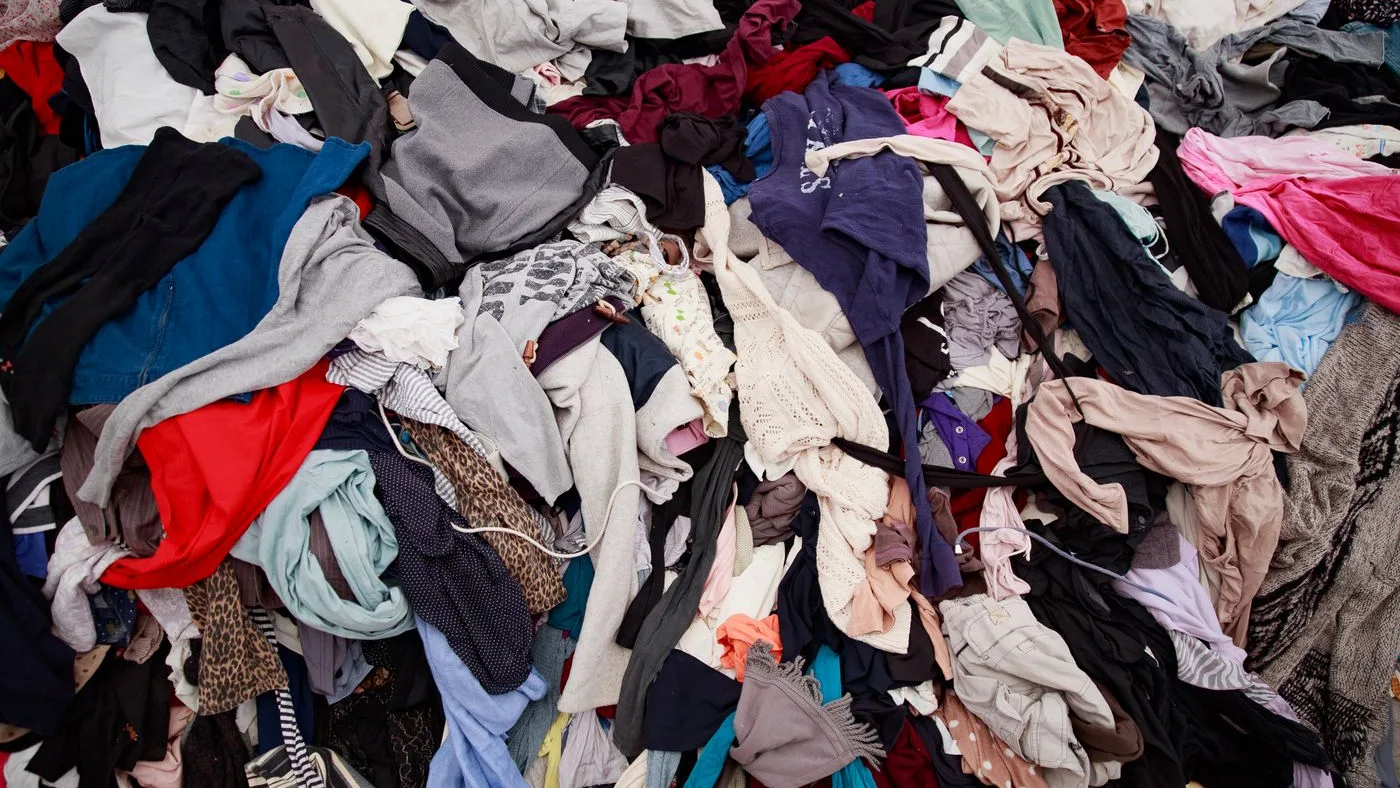
Every wardrobe clear-out splits into two piles, and only one of them is a donation. The shirts someone else would happily wear go one way; the stretched, stained, bobbled and holed half goes another, and most people bin it because they assume nothing else is possible. This guide covers what textile recycling takes, which fabrics have a genuine recovery route, and why a Dubai store room turns wearable clothing into recycling faster than you would think.
Donation and recycling get talked about as one act of goodwill, but they take opposite inputs. A charity wants an item a person will choose to wear, which means condition, completeness and current-enough style. Textile recycling wants the fibre, and does not care whether anyone would be seen in it.
Sorting into the right pile first is what stops both from failing. A bag of holed t-shirts handed to a charity costs them staff time to reject, and a bag of good winter coats sent for shredding destroys value that someone would have paid for. Our guide to arranging charity donation around a clearance covers the donation half in full; this article picks up everything that pile leaves behind.
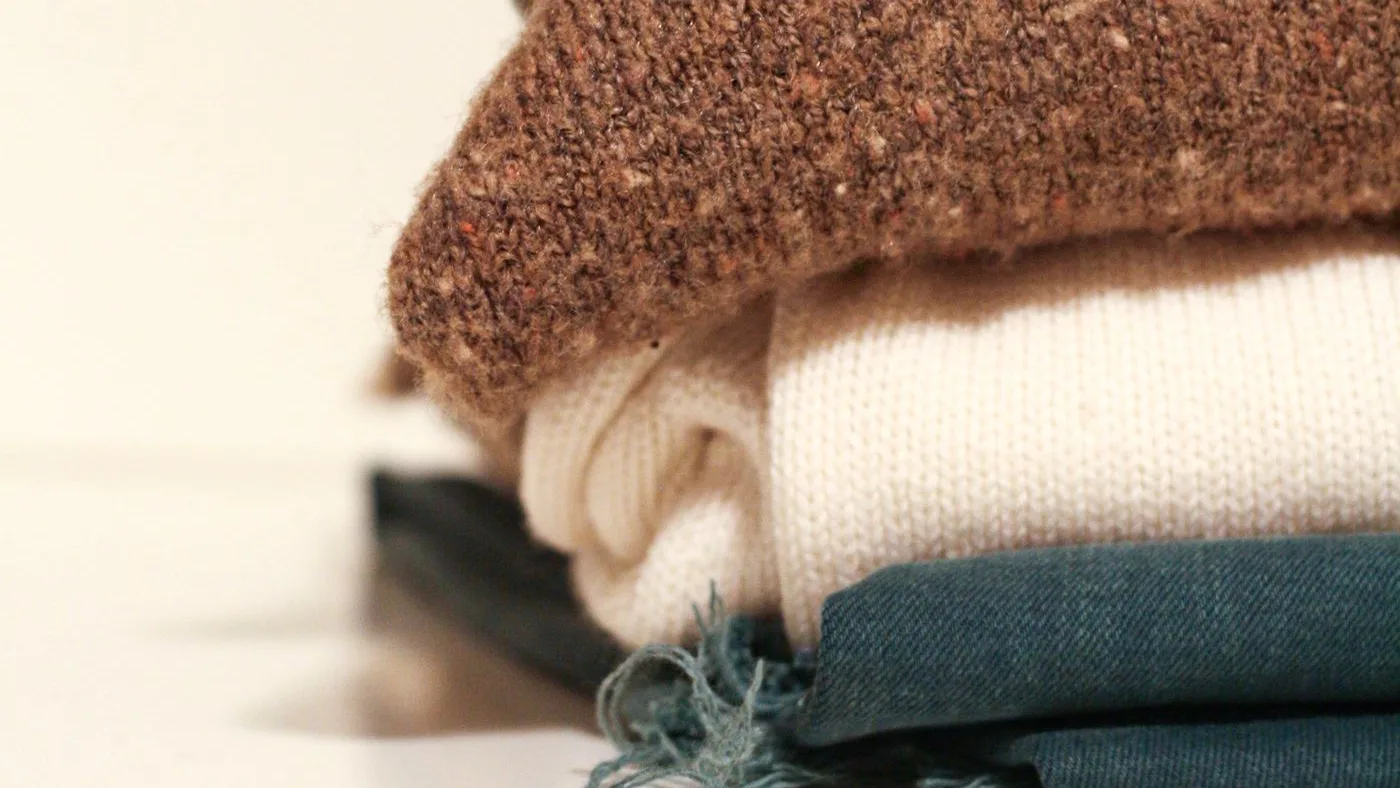
Worn-out textiles are not melted the way glass or metal is. They are sorted by fibre and colour, then pulled apart mechanically until the cloth is back to loose fibre, which is spun or bonded into something new that never has to look like clothing.
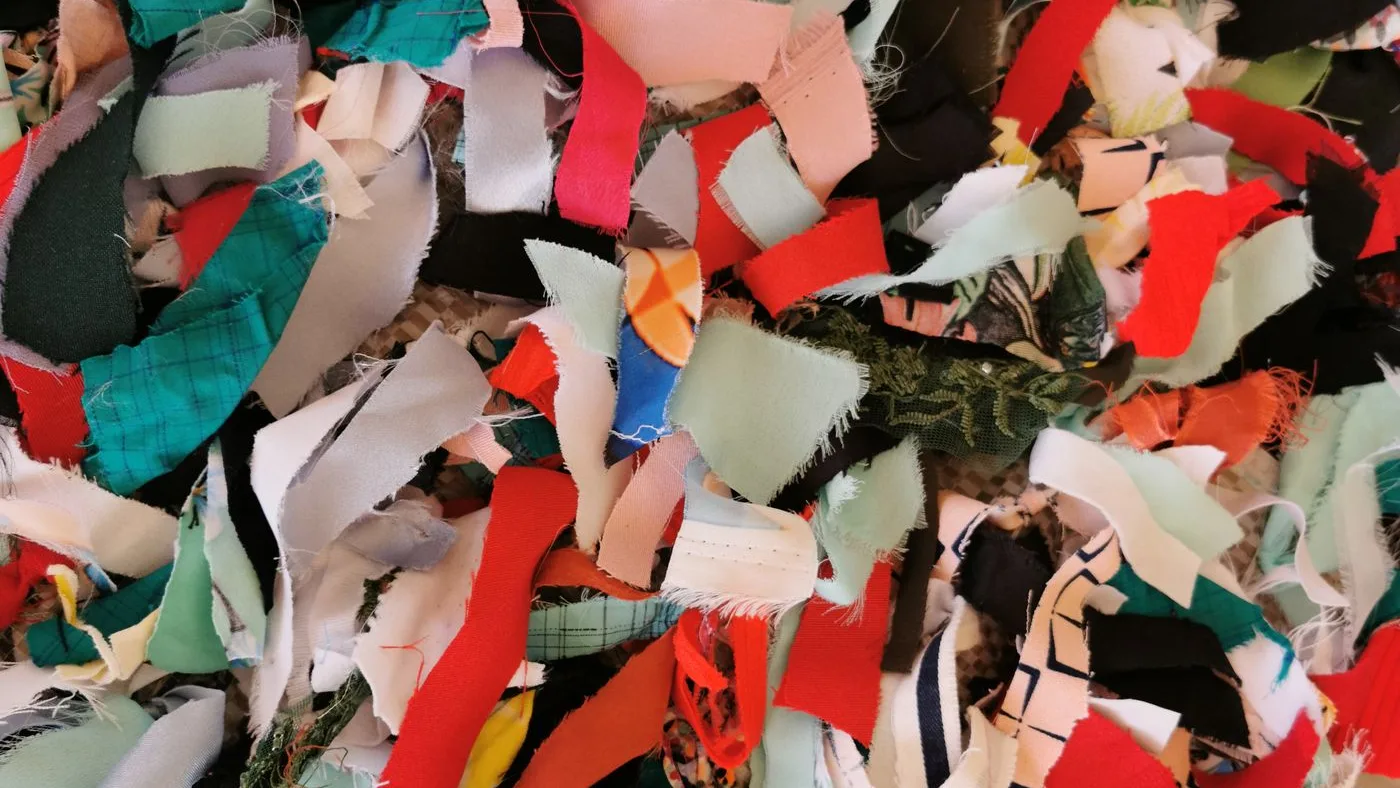
Fibre type decides which of those four a garment can reach, and blends are the limiting factor. A pure cotton sheet has more routes open to it than a cotton-polyester shirt, because separating blended fibre is harder than sorting it.
| Textile | Recovery route | What to watch for |
|---|---|---|
| Cotton clothing and bed linen | Strong, and the easiest fibre to pull and respin | Keep it dry; cotton holds damp and mildews fast |
| Denim | Strong, and often used for insulation because of its density | Metal rivets and zips are pulled at sorting, not by you |
| Wool and knitwear | Strong, and the highest-value fibre in the stream | Moth damage is fine here even though it kills a donation |
| Polyester and synthetic blends | Limited, mostly padding and filler rather than new cloth | The larger the blend percentage, the fewer routes stay open |
| Towels and bedding | Strong as wiping cloth, weak as anything else | Almost never donated, so send them straight to recycling |
| Footwear and leather goods | Limited, and handled apart from soft textiles | Bag them separately rather than mixing with clothing |
| Carpets, rugs and curtains | Handled as bulky items rather than in a textile bag | Backing and lining materials make them a separate job |
The most common way a wearable garment becomes a recycling item here has nothing to do with wearing it. It is a bag left in a store room, a garage or a spare bathroom over a Dubai summer, where the combination of heat and humidity does in three months what years of wear would not.
Villa store rooms and garages in communities like Arabian Ranches are the usual site of this, because the space exists and the bag is easy to forget. Apartments in JVC tend to have the opposite failure: no storage at all, so bags sit somewhere they will be tripped over and get thrown out whole rather than sorted.
Mildew is the line neither stream crosses. Once fabric smells, a charity will not take it and a recycler will not either, since the odour travels through everything baled with it. That is the argument for moving a clear-out pile out of the property within days rather than storing it until a plan appears.
Washing clothes you are throwing away feels wrong the first time. It is the single step that decides whether a bale is usable, though, and a load that arrives clean and dry keeps every route in the table above open to it.
Tell us the number of bags and whether shoes, bedding or curtains are in the mix, since those three change how a load is split on the vehicle. Textiles are collected alongside the other sorted streams described in our recycling services guide, kept apart from anything that could mark them.
Wardrobe clear-outs cluster around lease renewals and end-of-school-year departures, so a textile load often arrives attached to a bigger job. If a wardrobe or chest of drawers is leaving as well, it goes on the same visit as a furniture removal item rather than a second booking.
As a local, fully insured team, Junk Services Dubai makes clearing your space simple — fast pickups, fair upfront pricing and responsible disposal across every Dubai community.
Book today and, where crews are free, we clear it today — with no rush surcharge.
A flat price agreed before we arrive, based on volume, items and access. No surprises.
Background-checked teams who do all the lifting and protect your floors, lifts and walls.
We sort for reuse, donation and recycling in line with Dubai Municipality guidance.
Written by
The Junk Services Dubai Team
Junk Removal Specialists
Our editorial team is made up of the crews and coordinators who clear homes, villas and offices across Dubai every day. We share practical, first-hand guidance on decluttering, disposal and responsible waste removal in the UAE.
Donation passes on items still in wearable condition to someone who will wear them. Textile recycling takes fabric too worn to be worn again and shreds it back to fibre for industrial cloth, insulation and padding.
Holed, stretched, bobbled and faded clothing is exactly what textile recycling is for, since condition stops mattering once fabric is shredded. Items that are damp or smell of mildew are the exception and are refused.
Yes, and they are among the better inputs. Absorbent cotton makes strong industrial wiping cloth, which is why bedding and towels should skip the donation pile and go straight into a recycling bag.
Yes, and fully dried too. A single damp garment can spoil an entire bale it is packed with, so the recycling half of a clear-out needs the same wash as the donation half.
No. Zips, buttons, rivets and hooks are removed mechanically during sorting, so cutting them out at home saves nobody any time.
No, keep footwear in its own bag with pairs tied together. Shoes are handled apart from soft textiles because their soles and hard components need a separate process.
They leave as bulky items rather than in a textile bag, because their backing, lining and underlay are different materials that have to be separated first.
The useful shift is to stop treating a worn-out garment as rubbish with a guilty conscience attached. It is a raw material with three or four onward routes, and the only thing standing between it and any of them is whether it left the property clean, dry and in the right bag.
When the wardrobe pile is ready, our junk removal team collects textiles alongside the other sorted streams in one visit.
From a single wardrobe sort to a villa's worth of bedding and clothing ahead of a move, we collect textiles kept apart from the rest of the load.
WhatsApp Us the bag count, Call Now to talk through a larger clear-out, or Book a Pickup for a date that suits you.
GuidesMost of what a household clears is still usable. Whether any of it reaches a charity comes down to when you ask rather than how generous you are.
Read Article Guides
What a recycling collection covers in Dubai, which materials leave as separate streams, how to prepare them, and when a booked pickup beats carrying it all downstairs.
Read Article Guides
A bedroom is the last room in any Dubai home to be emptied, because somebody is still sleeping in it. What comes out, where each part of it goes, and how to clear the room on handover morning.
Read Article