Light Bulb Disposal Dubai: Safe Fluorescent, LED and Lamp Recycling
The Junk Services Dubai Team 7 min read
From ceiling spotlights illuminating residential apartments in [Dubai Marina](/areas/dubai-marina) to extensive overhead fluorescent tube arrays inside industrial warehouses in [Dubai Investment Park](/areas/dubai-investment-park), lighting is everywhere. Yet when lamps burn out or facilities undergo LED retrofit upgrades, getting rid of old bulbs creates a serious disposal dilemma.
Many residents and building supervisors assume light bulbs belong in common glass bottle recycling bins or standard trash chutes. In reality, light bulbs are manufactured from specialty heat-resistant glass blends and contain chemical coatings, metallic filaments, and electronic components that disrupt standard glass bottle furnaces.
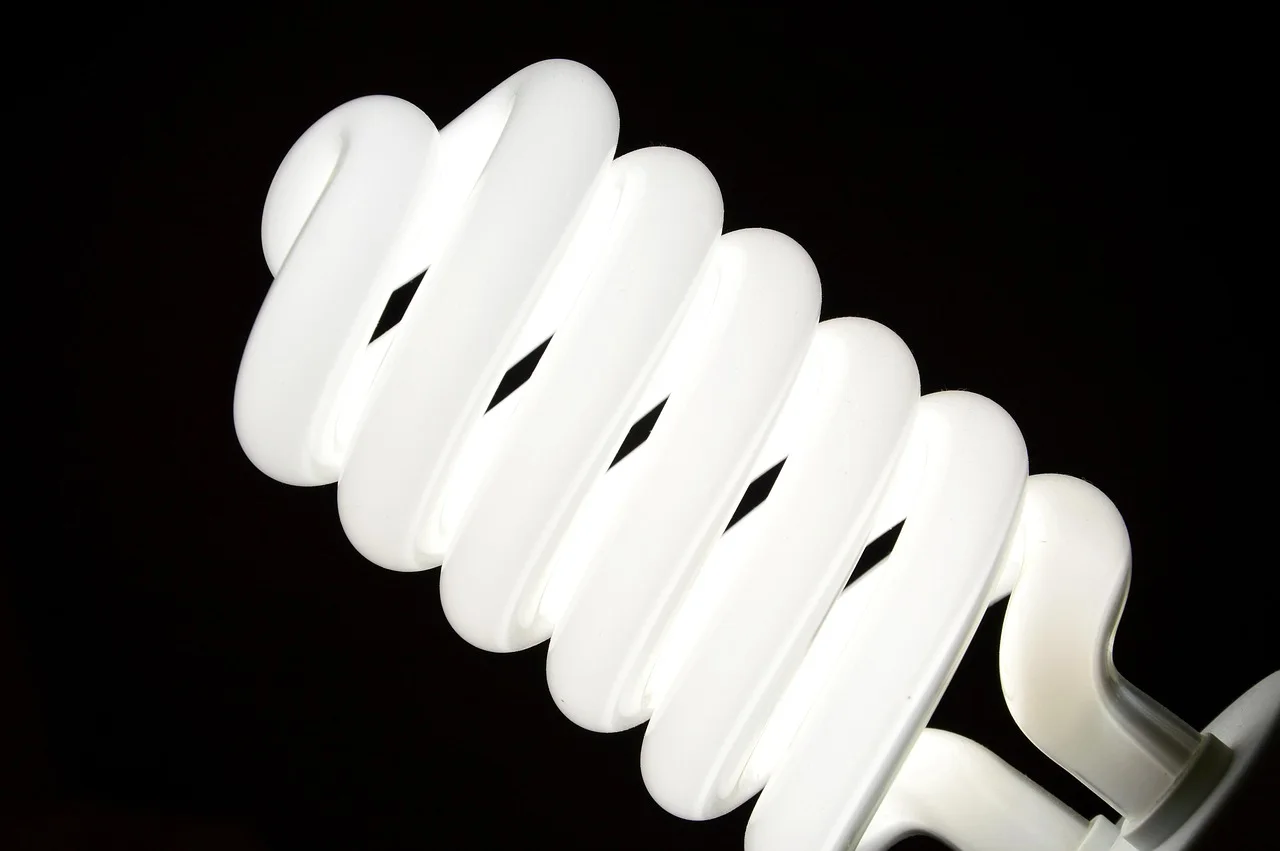
Additionally, older tube lighting and compact fluorescent spirals harbor toxic mercury vapor that endangers indoor air quality if broken. Understanding the distinct disposal protocols for each lighting category protects your health, keeps building waste chutes clean, and supports local waste removal and commercial junk removal initiatives.
Across major commercial hubs in Business Bay and industrial districts such as Dubai Investment Park, commercial facilities replace hundreds of overhead luminaires during routine fit-out overhauls. Managing these lighting waste volumes compliantly ensures corporate facilities avoid regulatory penalties while protecting maintenance teams from toxic airborne contaminants.
Why Light Bulbs Cannot Go Into Household Glass Bins
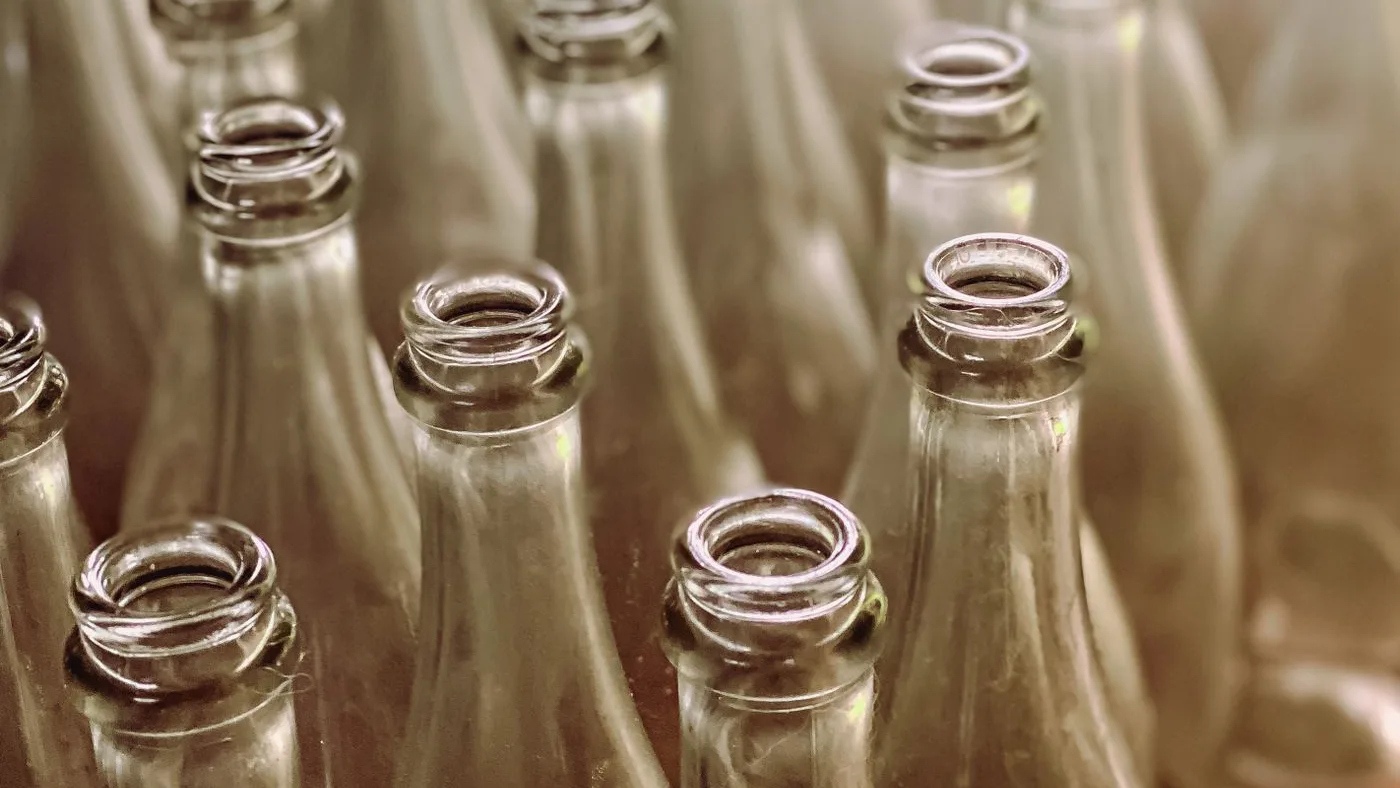
Throwing burned-out light bulbs into community glass recycling containers creates severe contamination for glass recycling plants. Glass containers like beverage bottles and food jars are manufactured from soda-lime glass, which melts cleanly at uniform furnace temperatures.
High-Temperature Borosilicate Glass: Halogen bulbs and projector lamps use heat-resistant borosilicate glass with a melting point hundreds of degrees higher than soda-lime bottles, creating solid unmelted lumps in glass batches.
Chemical Phosphor Powders: Fluorescent tubes feature internal phosphor coatings applied along inner glass surfaces, chemically contaminating molten glass streams.
Metal Screw Bases & Contacts: Brass, nickel-plated iron, and aluminum screw threads bonded with refractory ceramic cement cannot be processed by standard bottle glass crushers.
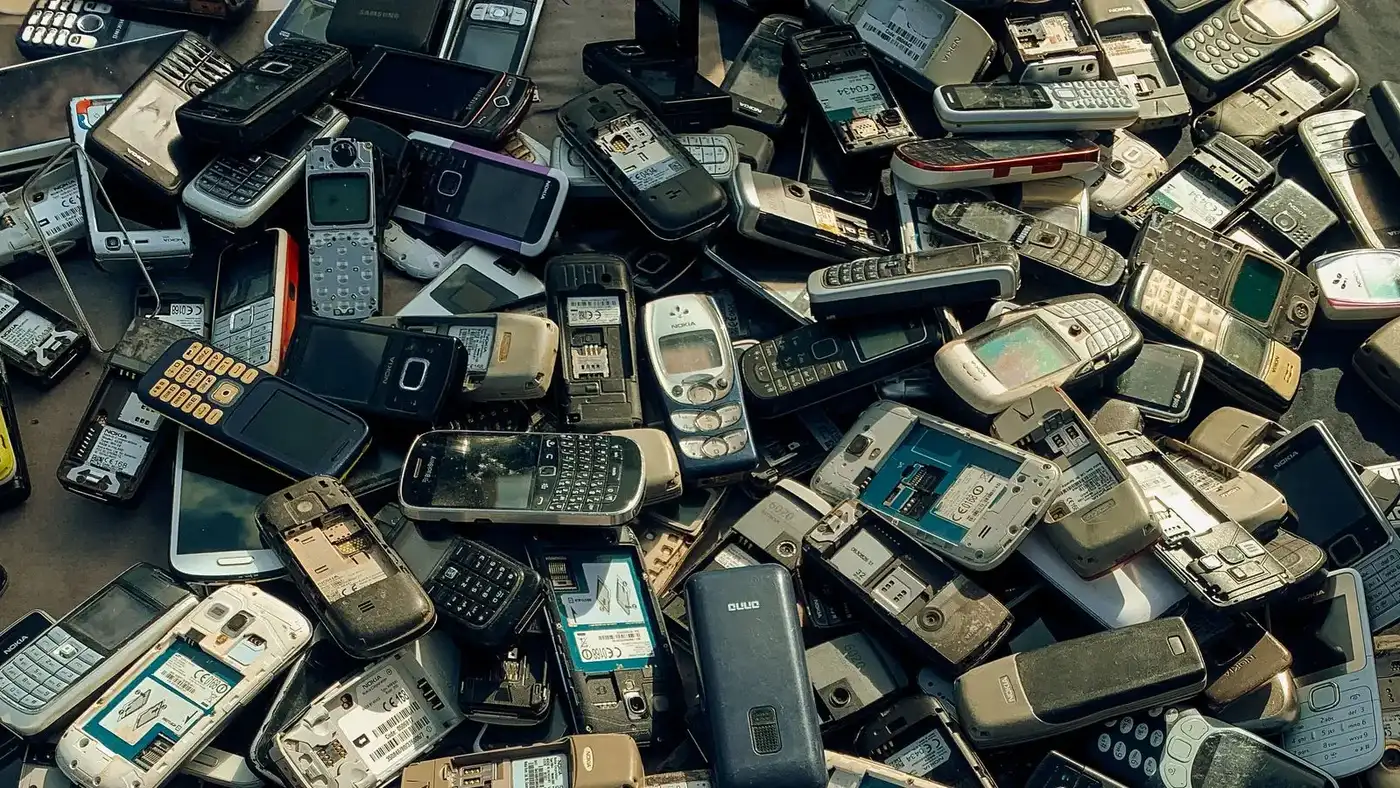
Semiconductor Driver Circuits: Modern LED bulbs house solid-state diode arrays, silicon transformers, and capacitors that classify them as electronic waste rather than glass waste.
Linear fluorescent tubes and compact fluorescent spirals demand the greatest care because their internal mercury vapor remains under low vacuum pressure, ready to disperse if the glass envelope fractures. For household toxic waste protocols, review our guide to hazardous household waste disposal.
Different Types of Light Bulbs and Their Disposal Paths
Different lighting technologies carry distinct environmental risks and processing requirements. Identifying your bulb type ensures it follows the correct recovery channel.
Emergency exit signs and backup architectural downlights introduce an additional material stream: rechargeable battery packs. Illuminated exit signs contain sealed nickel-cadmium or lithium-ion backup batteries designed to keep emergency signage illuminated during power failures. Our technicians unclip these battery packs from luminaire chassis, routing them directly to specialist battery recycling rather than glass processors.
Bulb Technology
Key Components
Primary Environmental Risk
Correct Disposal Route
Linear Fluorescent Tubes (T8, T5)
Mercury vapor, phosphor powder, aluminum pins
Toxic airborne mercury inhalation if broken
Specialist hazardous bulb crushing and mercury distillation
Compact Fluorescent Lamps (CFL)
Spiral mercury tubing, integrated ballast board
Mercury leakage into groundwater if crushed
Chemical waste recovery and electronics reclamation
LED Bulbs and Panel Downlights
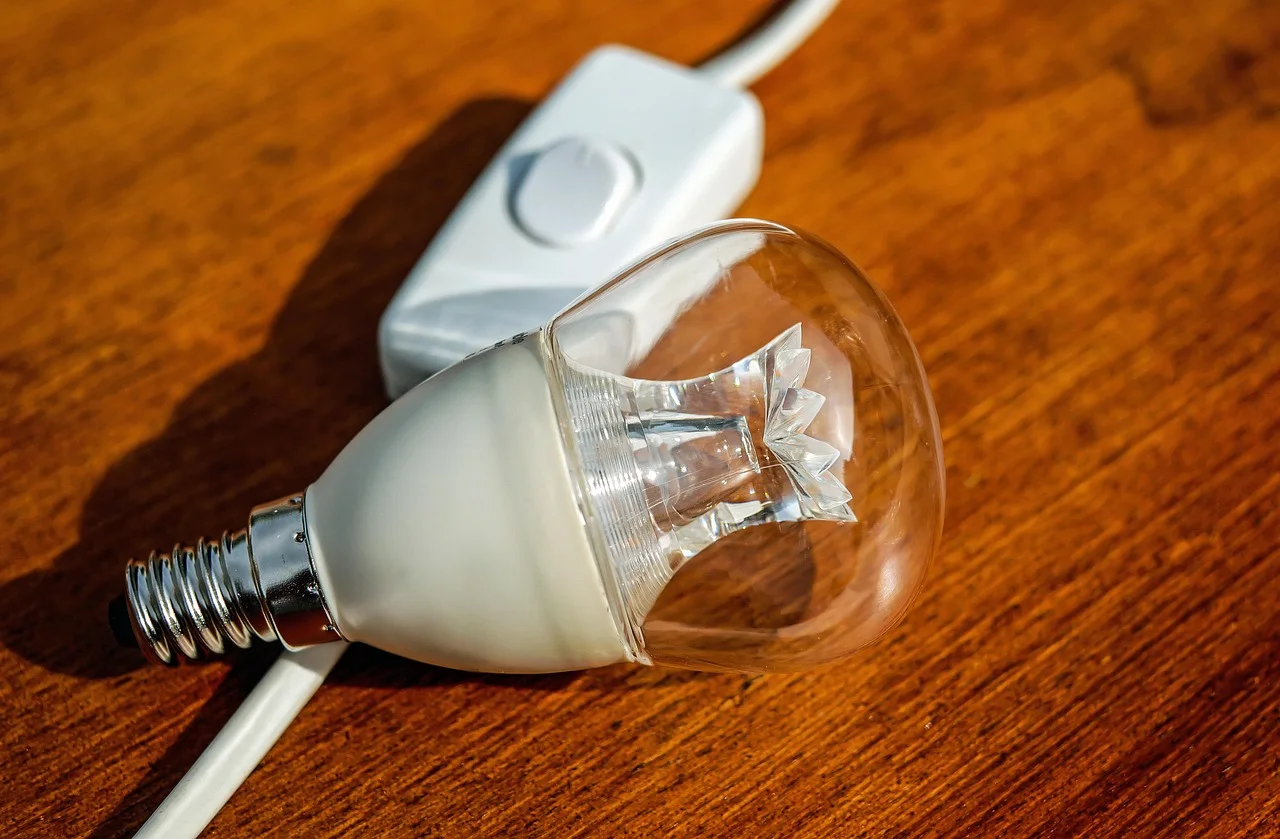
Aluminum heatsink, driver circuit, plastic dome
Valuable electronic waste and heavy metals
Electronic waste circuit board and aluminum scrap sorting
Halogen Spotlights (GU10, MR16)
Quartz glass, tungsten filament, halogen gas
Glass furnace contamination
Non-recyclable inert disposal or specialist thermal processing
Traditional Incandescent Bulbs
Soda glass, tungsten wire, brass base
Zero toxic chemicals, minimal scrap value
Standard wrapped refuse disposal
Linear fluorescent tubes and compact fluorescent spirals demand the greatest care because their internal mercury vapor remains under low vacuum pressure, ready to disperse if the glass envelope fractures.
Safe Handling Steps for Broken Fluorescent Tubes
If a fluorescent tube or compact fluorescent lamp accidentally falls and shatters on a hard tile floor in your Dubai home or office, avoid reaching for an electric vacuum cleaner immediately. Vacuuming pushes invisible mercury vapor into the air and disperses toxic dust through the vacuum exhaust filter. Follow this safe cleanup protocol:
1Evacuate children and pets from the room immediately, open exterior windows or balcony doors, and switch off indoor air conditioning units for fifteen minutes.
2Put on disposable gloves and avoid using your bare hands to touch broken glass shards or white phosphor powder residue.
3Carefully scoop up larger glass fragments and metal pin bases using stiff cardboard or heavy paper sheets.
4Collect tiny glass splinters and loose powder by gently pressing sticky duct tape or masking tape over the floor tiles.
5Wipe the entire contact zone thoroughly with a damp disposable paper towel to capture lingering chemical dust.
6Place all glass fragments, tape strips, and used paper towels inside a sealable plastic storage bag or glass jar.
7Label the sealed container securely as broken mercury lighting waste and store it safely away from children until professional collection.
High-bay industrial lighting fixtures in logistics facilities and vehicle workshops also feature heavy aluminum reflector hoods and magnetic iron-core ballasts. These industrial fittings carry substantial scrap metal value. Our crews separate copper transformer coils, cast-aluminum driver housings, and glass protective lenses into segregated metal streams for local foundries.
Never dump broken mercury-containing debris down a standard building chute. Inform our collection team so we can transport the sealed container safely in lined containment bins.
Compact fluorescent lamps and linear tubes contain phosphor powder and trace mercury vapor that must be captured in sealed recycling drums.
Phosphor Powder Extraction: Chemical phosphor powders are washed and separated for secondary rare-earth element recovery. For electronic lighting drivers, review our protocols on [electronics disposal](/blog/electronics-disposal-dubai) and [battery disposal](/blog/battery-disposal-dubai).
Household residents typically handle three or four dead bulbs over several months, which can be stored in an egg carton or padded shoe box until a convenient collection or drop-off occurs. In commercial sectors, however, lighting clear-outs involve industrial scales.
Commercial warehouse retrofits, shopping mall maintenance overhauls, and corporate office ceiling conversions in districts like Business Bay generate hundreds of four-foot or eight-foot fluorescent tubes simultaneously. Stacking long glass tubes loosely in open skips or standard bins inevitably leads to widespread breakage under heavy rubbish weight, creating severe worker health risks.
Our commercial removal teams provide specialized cylindrical tube storage boxes and rigid fiber drums that keep tubes vertical, intact, and protected during transport. We coordinate vehicle access with loading docks, verify quantities on site, and issue commercial collection receipts for facility records.
Establishing proper separation routines inside apartments and corporate facilities helps divert hazardous lighting from general waste. Learn more about organizing household bins in our guide to [waste segregation at home](/blog/waste-segregation-at-home-dubai).
Maintaining strict safety and environmental standards requires defining clear boundaries. Our lighting removal teams collect lighting hardware while excluding active structural wiring and building fixtures.
Live high-voltage ceiling wiring, conduit lines, and electrical circuit breakers still connected to mains electricity.
Industrial transformer oil containing polychlorinated biphenyls from obsolete substation ballasts.
Structural ceiling grid t-bars or suspension wires anchoring troffer luminaires to concrete slabs.
Gas-discharge street light columns or high-mast perimeter lighting requiring crane bucket trucks.
Chemical liquid solvents or industrial degreasers stored alongside lighting inventory.
All lighting fixtures must be switched off and disconnected from mains electrical feeds by a qualified building maintenance technician before our collection team arrives to carry away the hardware.
Where Lighting Components Go After Collection
Modern lighting recycling involves advanced separation machinery that breaks bulbs down into individual raw materials without releasing harmful compounds into the atmosphere.
Mercury Separation and Distillation: Fluorescent tubes are fed into specialized vacuum negative-pressure crushers. Air filters draw out mercury vapor, which is distilled and purified for reuse in medical and scientific instruments.
Phosphor Powder Extraction: Chemical phosphor powders are washed and separated for secondary rare-earth element recovery.
Industrial Glass Reclamation: Decontaminated clean glass cullet is pulverized and used in fibreglass insulation manufacturing and concrete aggregate blends.
Aluminum and Copper Scrap: Metal end-caps and brass connecting pins are stripped and sent to local smelting foundries.
LED Electronic Recovery: LED driver circuit boards and aluminum heat sinks are routed to specialized electronic recycling facilities for copper, silicon, and aluminum extraction.
Through these multi-stage recovery processes, over ninety-five percent of each intact lighting fixture is recycled, preventing dangerous heavy metals from accumulating in regional landfills.
Arranging Lighting Collection and Bulky Clearances
Whether you have a single box of mixed household bulbs alongside an old microwave or hundreds of fluorescent tubes from a warehouse lighting overhaul, scheduling a pickup is fast and reliable.
Our teams consolidate lighting waste with broader office clearances, e-waste collections, or residential junk pickups across Dubai. Reach out to our support staff via WhatsApp or our web portal to book an insured, punctual removal.
Key Takeaways
Light bulbs cannot go into bottle recycling bins due to heat-resistant glass formulas and chemical coatings.
Never vacuum broken fluorescent tubes; use stiff cardboard and sticky tape to avoid vaporizing mercury.
LED light bulbs contain circuit boards and aluminum heatsinks that qualify them for electronic waste recycling.
Commercial retrofits require rigid vertical tube boxes to prevent in-transit crushing and hazardous contamination.
Why Choose Junk Service in Dubai
As a local, fully insured team, Junk Services Dubai makes clearing your space simple — fast pickups, fair upfront pricing and responsible disposal across every Dubai community.
Same-Day Availability
Book today and, where crews are free, we clear it today — with no rush surcharge.
Fair, Upfront Pricing
A flat price agreed before we arrive, based on volume, items and access. No surprises.
Insured, Uniformed Crews
Background-checked teams who do all the lifting and protect your floors, lifts and walls.
Responsible Disposal
We sort for reuse, donation and recycling in line with Dubai Municipality guidance.
Our editorial team is made up of the crews and coordinators who clear homes, villas and offices across Dubai every day. We share practical, first-hand guidance on decluttering, disposal and responsible waste removal in the UAE.
FAQ
Frequently Asked Questions
Light bulbs are manufactured from heat-resistant borosilicate glass with higher melting points than bottle glass. Mixing them causes unmelted defects in bottle batches. In addition, bulbs contain internal chemical coatings, metal filaments, and electronic drivers.
Do not vacuum. Open exterior windows, turn off air conditioning for fifteen minutes, put on gloves, and scoop up larger fragments using stiff cardboard. Pick up fine splinters with sticky tape, wipe the floor with a damp paper towel, and seal everything inside an airtight bag.
No. Unlike fluorescent lamps, LED bulbs contain no mercury vapor. However, they house aluminum heatsinks and electronic circuit boards, classifying them as electronic waste that should be recycled rather than landfilled.
Yes. We collect hundreds of fluorescent tubes and LED troffer fixtures from commercial buildings, providing rigid tube transport boxes to prevent breakage during freight elevator transit.
Yes. Once fixtures are safely disconnected from mains electrical wiring by your maintenance team, our crew removes complete chandeliers, pendant lights, track rails, and troffer housings.
Yes. We recommend boxing bulbs together and combining them with broader residential furniture, appliance, or e-waste collections to maximize pickup efficiency.
Residential quantities are included within standard junk removal bookings. Large commercial quantities are priced based on the number of tubes, packaging requirements, and loading logistics.
Final Thoughts
Safely disposing of residential and commercial light bulbs protects building indoor air quality and diverts hazardous mercury and valuable circuit components from landfill.
Whether managing an office LED retrofit or clearing household lighting clutter, partnering with a certified collection team ensures safe, responsible handling.
Arrange Collection for Your Lighting Waste
Safe, compliant removal of fluorescent tubes, LED fixtures, and commercial lighting equipment across Dubai homes and businesses.
Paints, aerosols, batteries, lamps and pool chemicals are handled apart from a general clear-out. What counts as hazardous household waste in Dubai and what to do with each type.
Bottles and jars recycle endlessly, but most of the other glass in a Dubai home cannot go in with them. Here is what belongs in a glass load, what ruins one, and how to move a heavy stream out of a tower.
A practical guide to electronics disposal in Dubai — responsible collection of household and office e-waste, from TVs, laptops and phones to printers, monitors and IT equipment, why data security and hazardous parts matter, how to prepare devices, and Dubai Municipality-compliant recycling.
 Guides