 Guides
 6 min read
Corporate Sustainability and Junk Removal in Dubai
A practical framework for turning a Dubai office clear-out into a controlled reuse, recycling and disposal project without making claims the evidence cannot support.
Read Article
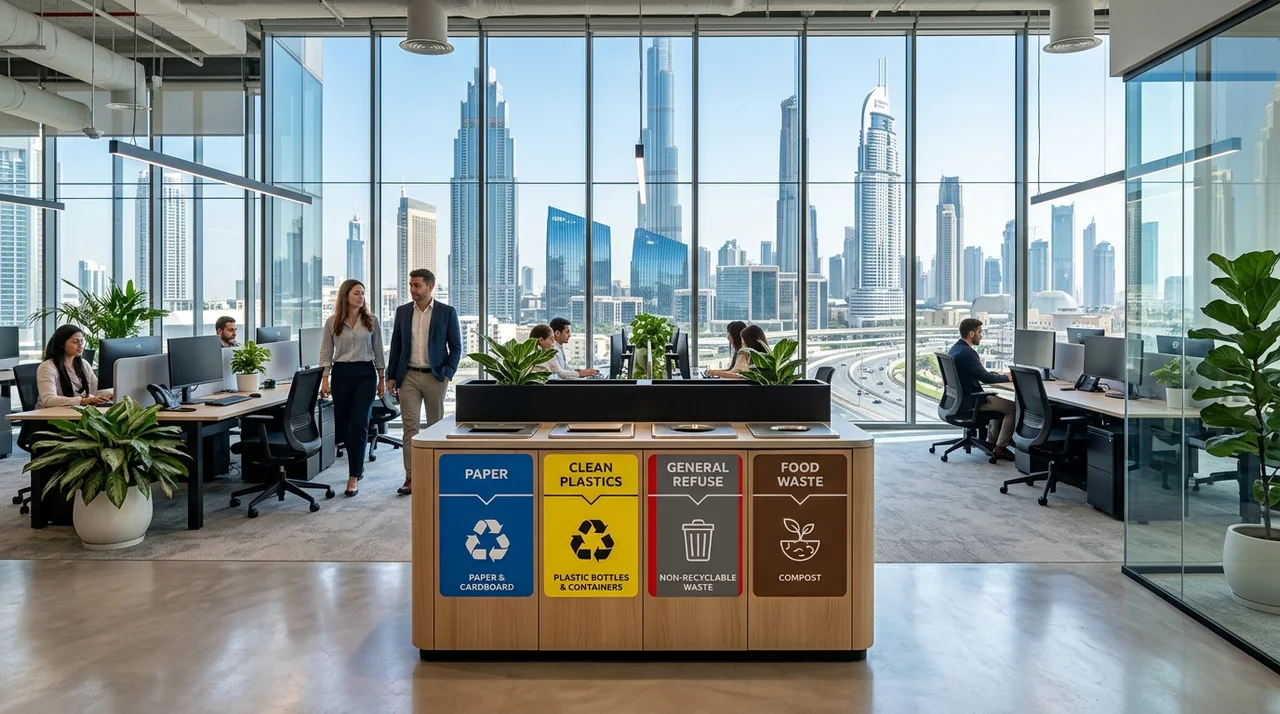
Establishing an effective office recycling program inside a Dubai commercial tower requires more than scattering colored bins across work corridors. Modern corporate workspaces in financial hubs and business parks generate hundreds of kilograms of recyclable office waste weekly, including confidential documents, corrugated shipping cartons, aluminium beverage cans, and disposable packaging. When companies launch recycling programs without clear operational structure, bins rapidly become contaminated with half-empty coffee cups and food containers, causing building cleaning teams to divert entire batches into general waste compactors. Creating a workplace recycling system that endures demands deliberate bin architecture, thoughtful placement, practical employee onboarding, and close coordination with building facility managers and cleaning contractors. When designed methodically, an office program cuts commercial waste generation and demonstrates corporate sustainability leadership across competitive UAE business landscapes.
The single most critical operational decision in launching an office recycling program is removing individual wastebaskets from beneath employee desks. When staff have small general trash bins within arm reach, convenience dictates disposal habits. People discard apple cores, plastic snack wrappers, and printed paper into one catch-all container, making sorting impossible.
Replacing individual bins with centralized waste and recycling hubs situated in high-traffic common areas forces employees to make deliberate disposal choices. When an employee must stand up and walk twenty paces to dispose of an item, they engage mindfully with the sorting process. In commercial districts like Business Bay office towers and DIFC financial quarters, forward-thinking corporate workplaces install central stations adjacent to print rooms, water stations, and kitchen pantry exits.
A successful central station separates office discards into distinct, unmistakable streams. Mixing containers creates confusion, whereas standardized configurations teach employees consistent muscle memory across every floor of your commercial building.
Signage determines whether an office sorting program succeeds or fails. Text-heavy instructions taped to bin lids are ignored by busy professionals rushing between client presentations. Successful programs rely on visual, photographic cues that communicate instantly without demanding lengthy reading.
Given Dubai international workforce representing dozens of cultural backgrounds, all instructional graphics should feature both Arabic and English text paired with high-resolution photographs of accepted and rejected items. Rather than displaying generic abstract recycling logos, show actual images of the specific sparkling water bottles, coffee pods, and sandwich wrappers sold in building cafeterias.
Color coding reinforces visual clarity across commercial floor plates. Sticking to regional color conventions ensures new hires and international visitors recognize bin functions immediately upon stepping into common utility alcoves.
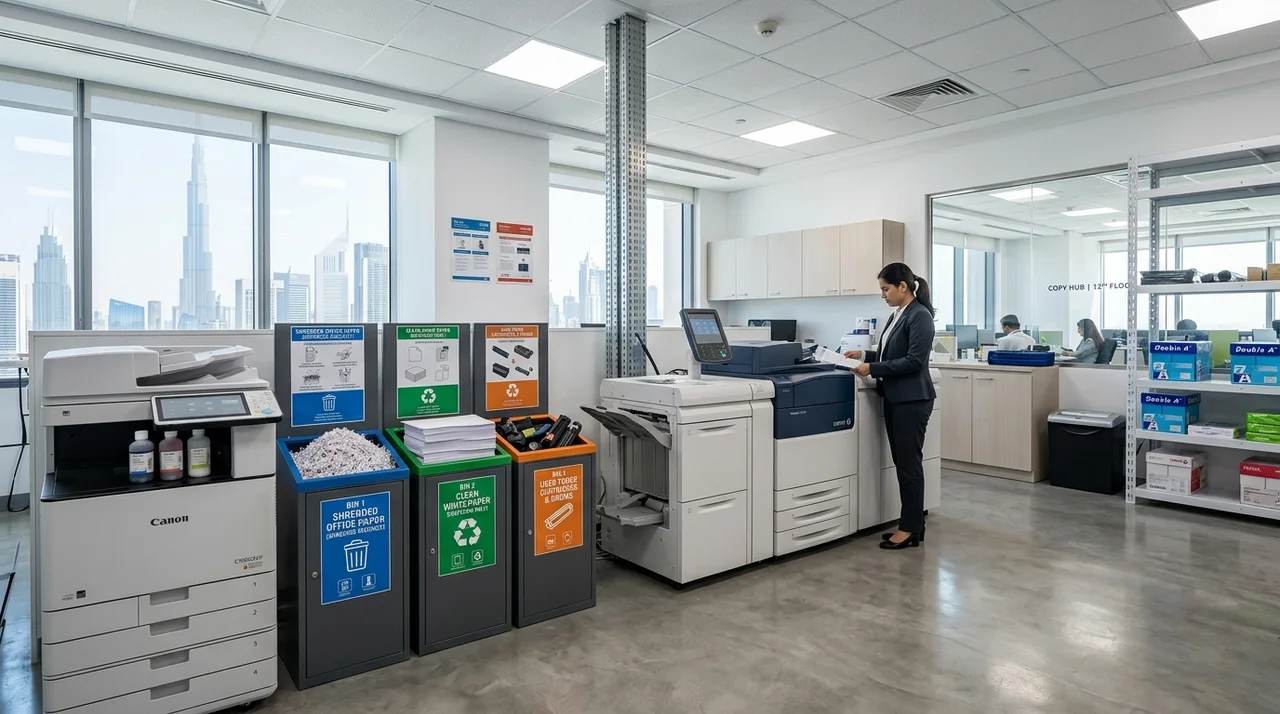
Printing and copy rooms represent significant paper generation zones in corporate environments. Managing this stream requires separating non-sensitive paper drafts from confidential client documentation and spent hardware consumables that pose chemical hazards.
Non-confidential printed sheets, double-sided misprints, and cardstock should flow into open blue collection hampers positioned beside high-speed multifunction copiers. Confidential personnel records, customer invoices, legal drafts, and financial audits must be deposited into locked security consoles for certified shredding. Empty toner cartridges and printer imaging drums should never enter standard trash bins, as toner dust contains micro-resins that require specialized collection and component recovery.
Positioning dedicated collection bins right at the output tray of commercial printers captures paper before it migrates across the office, ensuring high recovery rates for high-grade wood pulp.
Kitchen pantries and coffee stations represent the primary source of contamination across office recycling programs. Half-finished iced coffees tossed into plastic bins leak sugary liquids across paper towels, ruining recyclables. Similarly, salad dressing remaining inside plastic clamshell containers ruins entire collection bags, turning recyclable plastics into unprocessable waste.
Installing a designated liquid pour sink beside the coffee station allows staff to drain cups before tossing them into recycling bins. Encourage employees to keep reusable mugs, ceramic plates, and metal cutlery in personal lockers, eliminating single-use packaging at the source. Providing sponge stations and dish soap makes rinsing reusable containers effortless.
| Office Zone | Primary Discards | Designated Container | Contamination Control |
|---|---|---|---|
| Desk Workstations | Post-it notes, scrap paper, wrappers | Central Sorting Hub (No desk bins) | Staff walk to central hub |
| Copy and Print Room | Document misprints, toner cartridges | Blue Paper Hamper & Toner Box | Remove metal binding clips |
| Pantry and Kitchen | Salad bowls, drink cans, food scraps | Liquid Sink, Plastic & General Bins | Rinse plastics and drain liquids |
| Conference Rooms | Meeting handouts, plastic bottles | Compact Dual Sorting Station | Emptied after every major meeting |
| Server and IT Closet | Worn cables, dead mice, laptop batteries | Dedicated E-Waste Consolidation Bin | Label with asset tag tracking |
Even the most disciplined office sorting efforts collapse if evening cleaning teams mix sorted bags into a single general compactor bag. Corporate sustainability managers must engage directly with facility management companies and night custodial teams before launching new bins. Cleaning crews work under demanding time constraints and require clear instructions.
Ensure cleaning staff are supplied with transparent trash liners for recyclables and opaque black liners for general refuse. Conduct a brief walk-through with custodial supervisors to explain the sorting process and confirm where sorted bags must be staged in the building ground-floor service dock. Open communication guarantees that separated office materials remain separated all the way to downstream recycling facilities.
A workplace recycling initiative depends on genuine staff participation. Launching the program during a team breakfast or monthly company meeting sets an inviting, collaborative tone. Explain the practical environmental reasons behind the change and acknowledge that adjusting to central hubs takes a few days of habit building.
Appointing enthusiastic department champions creates helpful peer reminders across trading floors and creative studios in Downtown Dubai commercial hubs and Dubai Design District design studios. Green champions demonstrate correct sorting techniques, monitor hub cleanliness, and share team feedback with office operations managers. Recognizing departments with highest participation keeps enthusiasm high over the long term.
To keep employees motivated over the long term, track and celebrate office waste diversion progress. Perform periodic monthly audits by inspecting central bin contents before evening pickup. Sharing percentage reductions in general waste during company town halls proves that collective small actions yield measurable environmental results.
When companies undergo office renovations, departmental reorganizations, or tenancy handovers, standard recycling bins cannot handle the volume. Booking professional commercial waste removal in Dubai or office junk removal services ensures obsolete office furniture, partition panels, and bulky equipment are dismantled and directed to certified recycling facilities responsibly.
As a local, fully insured team, Junk Services Dubai makes clearing your space simple — fast pickups, fair upfront pricing and responsible disposal across every Dubai community.
Book today and, where crews are free, we clear it today — with no rush surcharge.
A flat price agreed before we arrive, based on volume, items and access. No surprises.
Background-checked teams who do all the lifting and protect your floors, lifts and walls.
We sort for reuse, donation and recycling in line with Dubai Municipality guidance.
Written by
The Junk Services Dubai Team
Junk Removal Specialists
Our editorial team is made up of the crews and coordinators who clear homes, villas and offices across Dubai every day. We share practical, first-hand guidance on decluttering, disposal and responsible waste removal in the UAE.
Individual bins encourage mindless disposal of mixed food waste and paper. Central sorting hubs require staff to walk a few steps, prompting conscious waste segregation and cutting contamination.
A standard corporate office floor should have one central recycling hub for every thirty to forty workstations, plus dedicated stations in pantries and primary print copy areas.
Disposable coffee cups lined with waterproof plastic film cannot be pulped with office paper and belong in general waste. Lids made of clean rigid plastic should be placed in plastics.
Provide distinct colored bin liners such as clear for recycling and black for general trash, conduct a joint training session with cleaning supervisors, and inspect dock staging areas.
Confidential files must be placed into locked security consoles or dedicated document shredder bins rather than open paper recycling trays to safeguard proprietary company data.
Collect dead IT accessories inside a marked electronic waste collection bin in your IT storage room, then schedule a certified electronics collection for copper and component recovery.
Standard building recycling bins cannot take desks or partitions. Book a licensed commercial junk removal service that provides vehicle transport and responsible material recycling.
Transforming corporate waste habits requires consistent systems rather than complex rules. By replacing isolated desk bins with central multi-stream hubs, training custodial teams, and celebrating progress, Dubai companies create clean, sustainable work environments. When large-scale workspace cleanouts or relocations arise, partnering with professional same day junk removal in Dubai ensures commercial spaces remain organized and environmentally compliant.
Whether you are planning an office floor decluttering, preparing for lease handover, or need responsible removal for commercial equipment, our specialized crew provides efficient, compliant clearance across all Dubai business towers. Contact our commercial team today.
GuidesA practical framework for turning a Dubai office clear-out into a controlled reuse, recycling and disposal project without making claims the evidence cannot support.
Read Article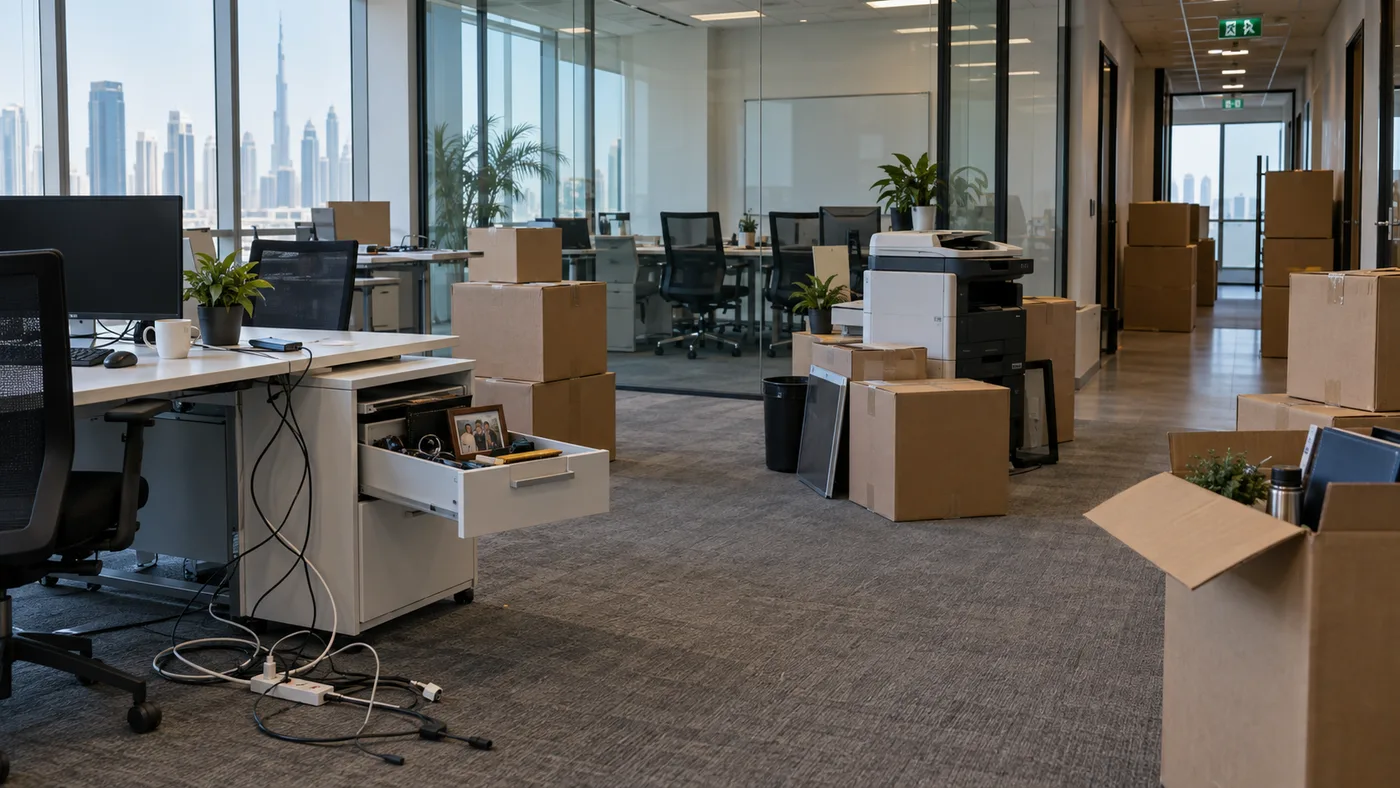 Guides
Seven office-clearance mistakes that cause delays, lost assets and repeat visits in Dubai, with a practical recovery action for each one.
Read Article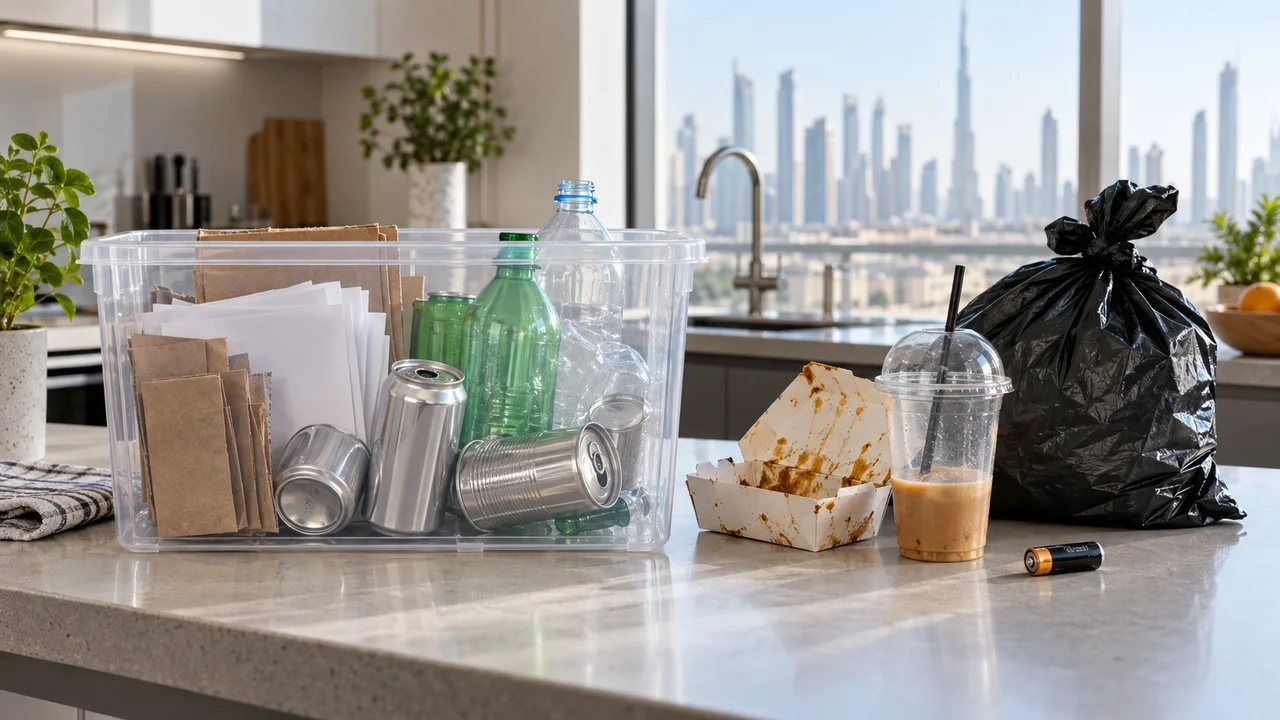 Recycling Guides
Stop food, liquid, bags and unsafe items from spoiling clean recycling. Use this practical preparation routine for Dubai homes, towers and offices.
Read Article