Protecting Floors During Furniture Removal: A Guide for Dubai Homes
The Junk Services Dubai Team 6 min read
Floors take more damage during a furniture removal than anything else in a Dubai home, and most of it comes from dragging, grit and dropped fixings rather than the furniture itself. This guide covers what each floor type needs, the protective materials that work, how to prepare the route, and how to check the floor once the crew has gone.
Floor damage during a removal is rarely one dramatic drop. It builds up from small, repeated contact at the points where furniture changes direction or touches down.
Dragging a heavy piece across the floor instead of lifting it, which scratches wood and scores stone.
Grit and sand trapped under a foot, a box or a dolly wheel, which acts like sandpaper on polished surfaces.
Dropped screws, bolts and fittings when beds and wardrobes are dismantled.
Setting a heavy item down on one corner or one leg, which can chip tile edges and dent wood.
Door thresholds and the edge of the lift, where wheels bump and loads pivot.
Water from an undrained washing machine or a fridge that was not defrosted.
Sand is the Dubai-specific culprit. Fine dust blows in through balconies and doorways all year, and a thin layer of it under a moving load does more damage to marble and wood than the load itself.
What Each Floor Type Needs
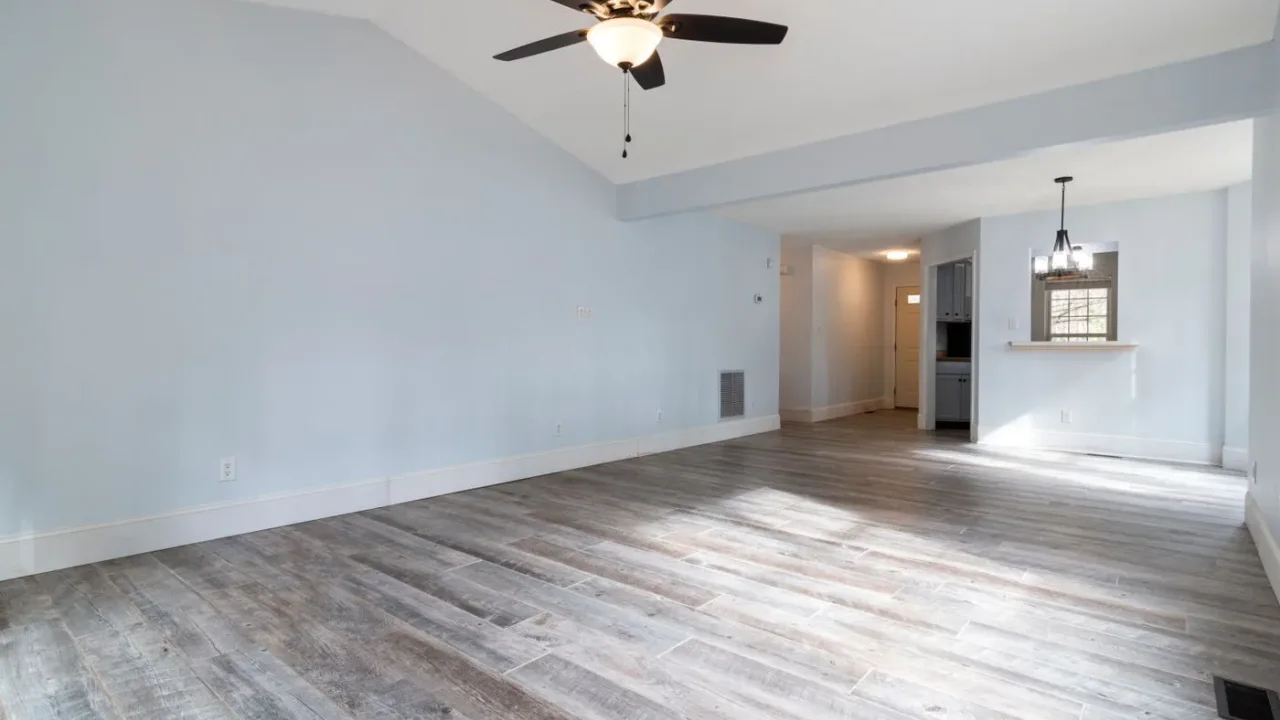
Dubai homes use a small set of flooring materials, and each fails in its own way. Knowing yours tells you how much protection the route needs.
Floor type
Most common damage
Protection that works
Marble and natural stone
Scratches and dull marks from grit, chips from point impacts
Sweep thoroughly, then lay rigid board along the whole route
Porcelain and ceramic tile
Chipped edges and cracked tiles under a dropped weight
Rigid board at set-down points and doorways, runners elsewhere
Engineered wood and laminate
Scratches and dents from legs, wheels and dragging
Rigid board on the route and felt pads under anything slid
Vinyl and luxury vinyl plank
Tears and gouges from sharp corners and metal feet
Runners on the path and no dragging of metal-framed furniture
Carpet
Stains from dirty shoes and water, snags from wheels
Self-adhesive carpet film or runners on the main path
Hard floors need rigid protection. A soft cover alone slides underfoot and still lets a point load through.
Marble is the floor to be most careful with. It is common in lobbies, villas and older apartments across Jumeirah and the Palm, it shows every scratch in raking light, and repairs usually mean re-polishing a whole area rather than one spot.
Protective Materials and What They Do
The right material depends on the floor and on how much traffic the route will take. Most removals use two or three of these together.
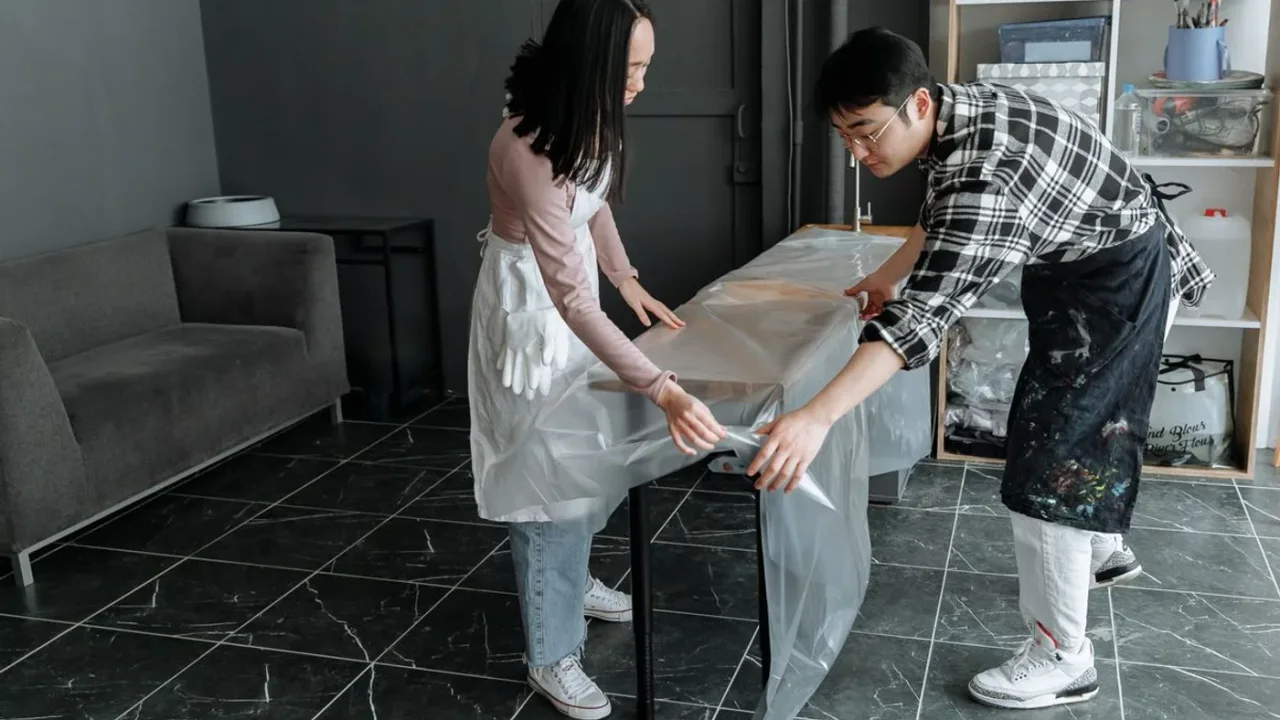
Corrugated plastic board: Rigid, light sheets taped edge to edge along the route. They spread a point load and stop grit reaching the surface, which makes them the standard choice for marble, tile and wood.
Hardboard sheets: Thin, rigid panels for heavy items and set-down points, such as where an appliance is tipped onto a hand truck.
Floor runners: Rolls of padded or non-slip fabric for long corridors and hallways. They protect against foot traffic but should sit on top of board wherever heavy items cross.
Moving blankets: Padded covers that wrap furniture so corners and legs cannot scrape the floor or walls if the piece is set down.
Felt pads and furniture sliders: Stuck or placed under legs so a piece can be moved a short distance without scratching. Useful for repositioning, never for long drags.
Corner and door-frame guards: Foam or board strips that protect the frames and corners a long item pivots past, where floor damage often starts too.
Wrapping a piece before it moves keeps its legs and corners off the floor if it has to be set down on the way out.
Tape is where people go wrong. Use low-tack tape designed for floors, and remove it the same day, because ordinary packing tape left on stone or wood in Dubai heat can leave residue or lift a finish.
Preparing the Route Before the Crew Arrives
A few minutes of preparation prevents most floor damage. Work through the route from the furthest room to the front door.
1Photograph the floor along the whole route, including thresholds and the lift lobby, before anything moves.
2Sweep or vacuum the route to remove sand and grit, paying attention to balcony doors and entrances.
3Roll up rugs and remove door mats so nobody trips on a loose edge.
4Drain the washing machine and defrost the fridge or freezer the day before, with towels underneath.
5Confirm with the crew who is supplying floor protection and how much of the route it will cover.
6Mark any area with existing damage so it is not confused with new damage later.
Our furniture removal service lifts items rather than dragging them and dismantles large pieces in the room, which keeps screws and fittings in one place instead of scattered along the route.
Apartment Towers and Villas Need Different Protection
In a tower, the risk extends beyond your front door. Building management in many Dubai towers expects lift walls and the lobby floor to be covered during a move, and a damaged lobby floor can lead to a charge against the unit. Check the requirement when you book the service lift, and confirm who is covering what.
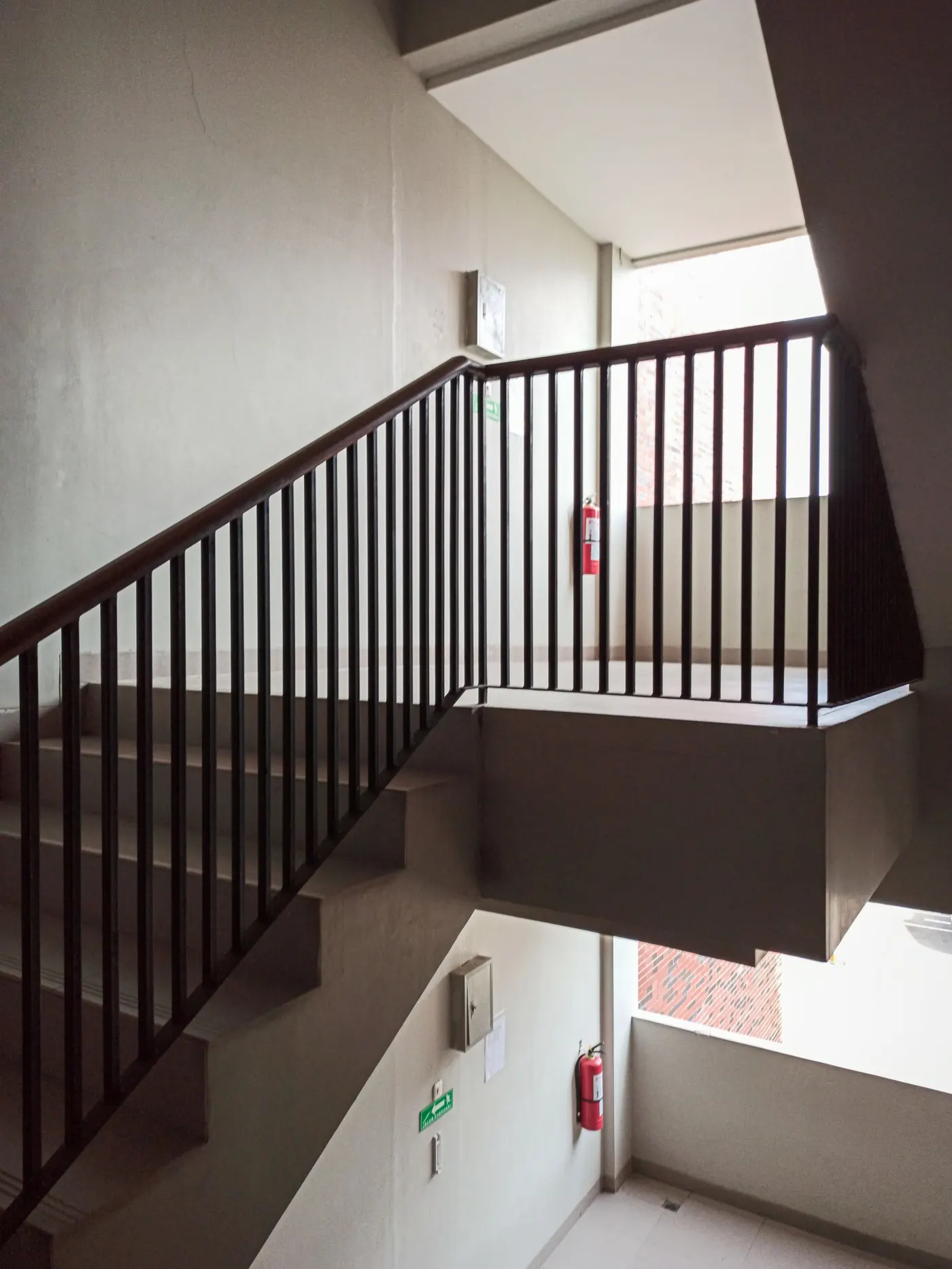
In a villa, the route continues outside. Paving, driveway kerbs and garden paths take the weight of loaded trolleys, and a lawn or irrigation line can be damaged if a heavy item is carried across planting. Board over thresholds and step edges, and keep the path to the vehicle on hard ground. The guide to heavy furniture removal without a lift covers staircase carries in villas and low-rise buildings, where stair nosings are easy to chip.
Checking the Floor After the Removal
Walk the route with the crew lead before they leave, while the protection is being lifted. Compare what you see with your earlier photos, and look at the floor from a low angle, where fine scratches show up.
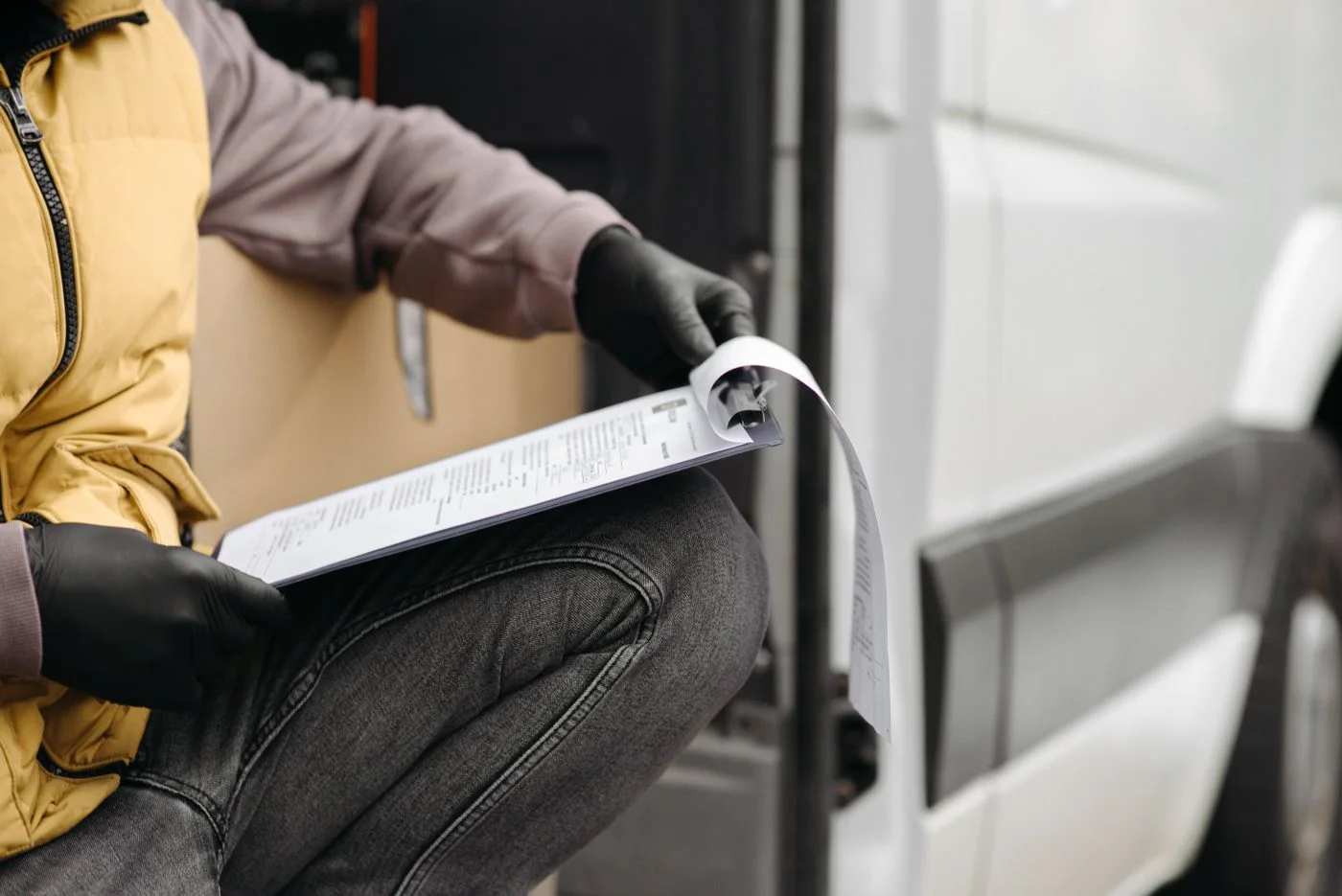
If you find damage, raise it straight away and in writing with photos. A mark reported at the door is easy to resolve, while the same mark reported days later becomes hard to place. The guide to junk removal insurance and liability explains what a professional operator's cover should include, and the guide to getting your security deposit back covers floor condition at a rental handover.
Key Takeaways
Most floor damage during a removal comes from dragging, trapped grit and dropped fixings.
Sweep the route first, because Dubai sand under a moving load scratches marble and wood.
Lay rigid board over marble, tile and wood, and use runners on long corridors.
Use felt pads for short repositioning only, and never drag heavy furniture across any floor.
Check whether your building requires lift and lobby protection when you book the service lift.
Photograph the route before and after, and report any damage in writing before the crew leaves.
Why Choose Junk Service in Dubai
As a local, fully insured team, Junk Services Dubai makes clearing your space simple — fast pickups, fair upfront pricing and responsible disposal across every Dubai community.
Same-Day Availability
Book today and, where crews are free, we clear it today — with no rush surcharge.
Fair, Upfront Pricing
A flat price agreed before we arrive, based on volume, items and access. No surprises.
Insured, Uniformed Crews
Background-checked teams who do all the lifting and protect your floors, lifts and walls.
Responsible Disposal
We sort for reuse, donation and recycling in line with Dubai Municipality guidance.
Our editorial team is made up of the crews and coordinators who clear homes, villas and offices across Dubai every day. We share practical, first-hand guidance on decluttering, disposal and responsible waste removal in the UAE.
FAQ
Frequently Asked Questions
Sweep the route thoroughly to remove grit, then lay rigid corrugated plastic board or hardboard along the whole path. Lift furniture rather than sliding it, since grit under a load scratches marble more than the load itself.
No. Blankets on the floor slide underfoot and still let the weight of a leg or wheel through. Use rigid board on the route and keep blankets for wrapping the furniture itself.
Sliders suit short moves within a room on a clean floor. For a full removal the sofa should be lifted and carried, because sliders pick up grit over a longer distance and can scratch the floor.
A professional removal company should carry liability cover for damage its crew causes. Photograph the floor before the job and report any new damage in writing, with photos, before the crew leaves.
Many towers expect lift walls and lobby floors to be covered during a move or collection, but the rules vary by building. Check with building management when you book the service lift.
It can. Use low-tack tape made for floor protection and remove it the same day, because packing tape left in the heat can leave residue or lift the finish.
Final Thoughts
Protecting floors during a furniture removal is mostly preparation: a clean route, the right rigid cover for the floor you have, and a crew that lifts rather than drags. Photograph before and after, and a removal leaves nothing behind except the space.
Book a Pickup With a Crew That Protects Your Floors
Contact Us with photos of the furniture, your floor type and your access details, and we will confirm a flat price and the protection we will bring for the route.
Insurance is the part of a junk removal booking nobody checks until something gets scratched. What cover means in practice, what Dubai buildings ask contractors for, and the five minutes of checking that prevents most disputes.
No lift in the building, or a service lift that cannot take the item. What a stair carry involves, how to measure the route before you book, and which pieces have to come apart to leave at all.
What Dubai landlords and agents actually deduct for at handover, how to evidence the condition you left, and the order to clear, repair and clean the unit in.

 Guides