Storage Unit Clean Out Dubai: Emptying a Unit You Stopped Using
The Junk Services Dubai Team 7 min read
A rented storage unit is the one clearance job with a meter running on it. Every month the unit stays full is another month of rent for things you have already decided you can live without, and most units in Dubai were taken during a gap between homes that closed years ago. This guide covers how a storage unit clean out runs here, what the facility itself controls, and what to expect from belongings that have sat through a summer or two.
A storage unit clean out is a clearance that happens away from your home. A crew meets you at the facility, empties the unit into a vehicle, and leaves it swept and ready to hand back so the rental can be closed the same day.
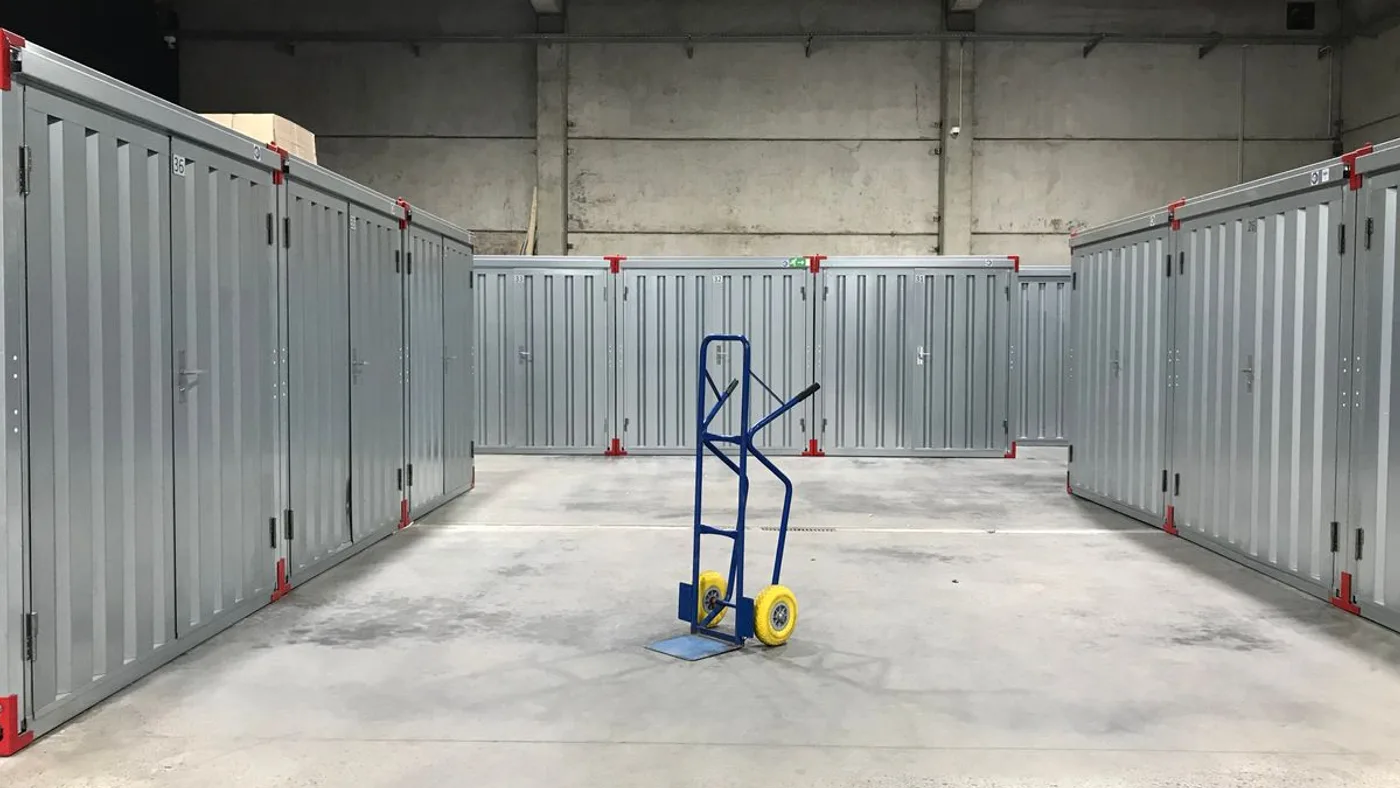
The difference from clearing a room at home is that a third party sets the rules. The facility decides when you can be on site, which lift you use, whether trolleys are free and how much room a vehicle gets at the loading bay. A crew works around those constraints rather than setting its own pace.
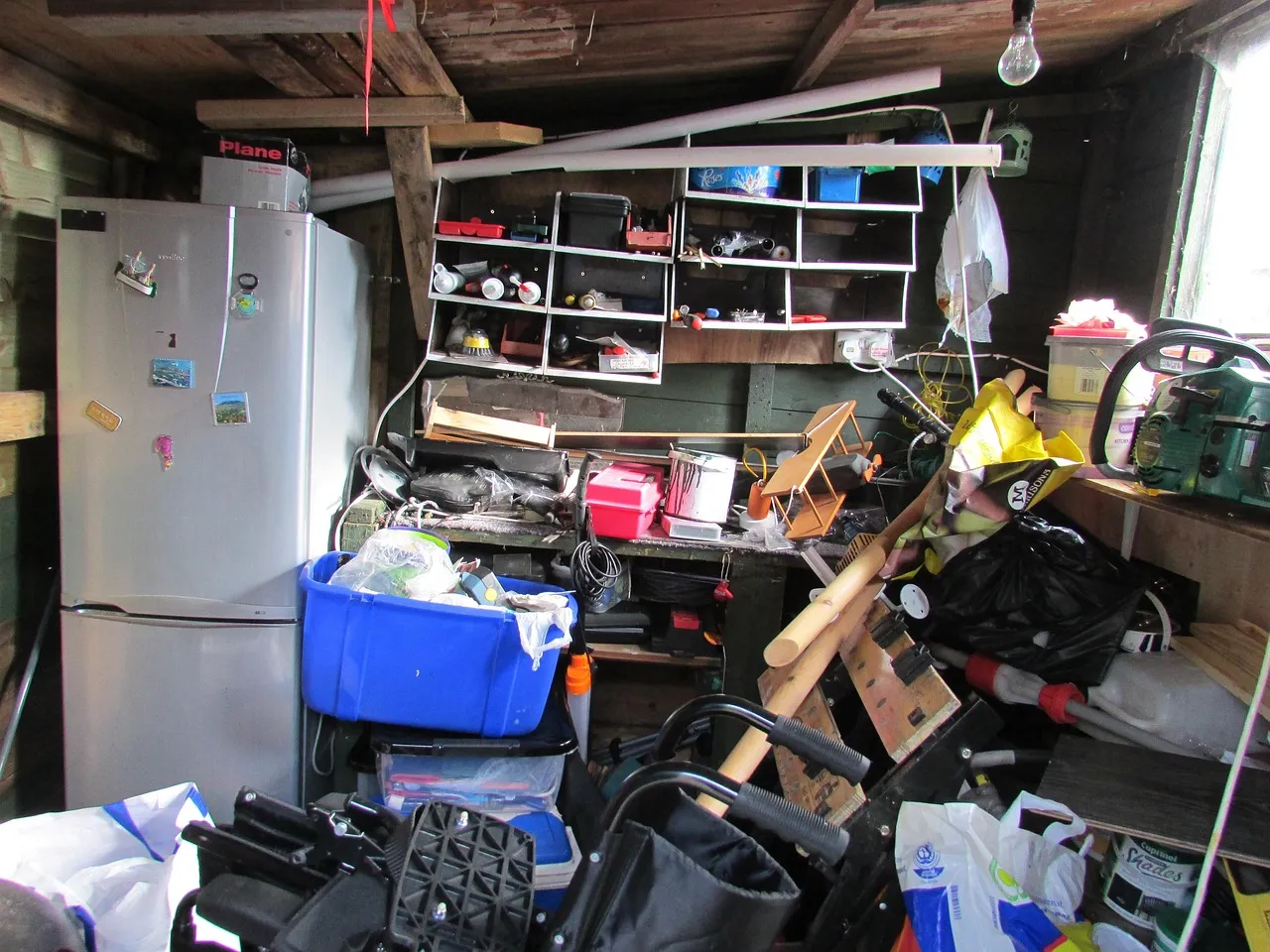
If the space you are emptying is at home rather than at a facility, our guide to garage clean outs is the closer fit, since access there is entirely in your control.
Why a Unit Stays Rented Long After It Stops Being Useful
The unit was almost always taken for a reason with an end date: a gap between two tenancies, a villa being redecorated, a partner arriving later with the rest of the shipment. The reason closes. The unit does not.
That pattern has a particular shape in Dubai, because a lot of units are opened during a move and then kept by someone who has since changed emirates or left the country. The monthly rent is small enough to ignore on a statement and large enough that, by the second or third year, it has cost more than the contents are worth.
The practical consequence is that the decision is rarely about the belongings. It is about stopping the rent. That changes how the sort runs: the question is not what you want to keep, but what is worth the cost of moving anywhere else.
What Comes Out of a Storage Unit
Contents are more predictable than a house clearance, because everything in the unit already failed a keep-or-go decision at least once.
Furniture that did not fit: Sofas, bed frames, dining sets and desks kept back from a larger property in case the next one had room. Most were dismantled once and stored flat, and the fixings are either in a bag taped to a frame or long gone.
Boxes nobody has opened: Kitchenware, books, paperwork and clothing packed in a hurry during a move. A box that has stayed shut for two years holds donation or recycling material far more often than anything you will unpack.
Seasonal and hobby items: Bicycles, camping and sports gear, luggage, decorations and children's equipment that outgrew its owner. This is the group most likely to still be usable and the one worth separating for donation.
Appliances and electronics: Fridges, washing machines, televisions and computers held as spares. These need separate handling and are the items most likely to have failed quietly while in storage.
Labelled boxes cut the sort time sharply, because the decision happens before the door opens rather than at it.
Where nothing is labelled, the sort happens at the unit door, and that is the part of the day that takes the time. Anything still in good condition is set aside for donation and recycling rather than going out as one mixed load.
What Months in Storage Do to Your Belongings
Whether a unit is climate controlled is the biggest single factor in what survives, and it is worth knowing which type you rented before you plan what to keep.
Item type
In a climate controlled unit
In a standard unit
Upholstered furniture and mattresses
Usually sound, though fabric holds a stored smell
Often musty, and at risk of mould wherever humidity gets in
Timber and flat-pack furniture
Stable
Joints loosen and veneer lifts as boards swell and dry back
Books, photographs and documents
Generally fine
Pages cockle and stick together, and ink can transfer
Electronics and appliances
Usually restartable
Corrosion on contacts, and perished door seals on white goods
Clothing, linen and soft furnishings
Fine where sealed
The category most often written off in full
A standard unit tracks outdoor humidity, which is what does the damage between June and September.
The honest expectation is that less will be salvageable than you remember putting in. People planning a clean out often intend to keep half the unit and end up keeping two or three items, and it is better to find that out before you have arranged transport for the rest.
The Facility Sets the Timetable
A home clearance runs on your schedule. A storage clean out runs on the facility's, and the details below are what most often delay a booking.
Access hours, which are rarely all day and are often shorter at weekends than midweek.
Authorisation, since the facility will open the unit only for the named renter or someone recorded in advance as acting for them.
The goods lift, which every upper-floor unit depends on and which other renters are booking too.
Trolleys and flat carts, which are shared across the whole site and run out at busy times.
Loading bay space, which decides how close a vehicle parks and therefore how far each item is carried.
The state the unit must be left in, which is usually swept and empty before the contract can close.
Shared trolleys and loading bay access are set by the site, and both shape how long a clearance takes.
Confirming the access window and the lift before you book a crew is the most useful thing you can do. A collection that arrives outside the facility's hours cannot be talked in, and rebooking usually means paying another month of rent.
What Moves the Price
How full the unit is matters more than the size on your contract. A small unit packed to the ceiling holds more than a large one with a walkway down the middle, so a photograph of the open door tells us more than the floor area does.
Carry distance is the second lever and the one people forget. A ground floor unit beside the loading bay is a different job from a third floor unit at the far end of a corridor, even when the contents are identical.
Dismantling adds time rather than volume, and sorting adds time wherever items are being separated for donation instead of cleared as one load. Our guide to junk removal costs in Dubai explains how loads are priced by truck fraction more generally.
Emptying the Unit and Closing It Properly
1Check your contract for the notice period, since most facilities want notice before a rental ends and will bill another month without it.
2Confirm the access hours, and book the goods lift if the unit sits above ground level.
3Tell the facility in advance that a removal crew is attending in your name, and ask what identification they need.
4Photograph the unit with the door open before anything moves, which gives you a record and gives us an accurate basis for the job.
5Put anything you are keeping into one marked area away from the door, because everything else is treated as going.
6Have the unit swept once the last item leaves, as most contracts require it back empty and clean.
7Get written confirmation that the unit is closed, rather than assuming the rental stops when the door is empty.
That last step is the one that costs people money. An empty unit on an open contract keeps billing, so clearing it is only half the job until someone at the facility has recorded that you have gone. The same paperwork discipline applies when clearing a home before leaving the UAE.
Key Takeaways
A storage unit clean out runs on the facility's timetable, not yours: access hours, lifts and trolleys all sit outside the crew's control.
The job is usually driven by stopping the rent rather than by the belongings, which turns the sort from what to keep into what is worth moving.
Whether the unit is climate controlled decides what survives, because a standard unit tracks Dubai's outdoor humidity.
Expect less to be salvageable than you remember storing, and plan a smaller keep pile than you think you need.
Give notice and get written confirmation the contract is closed, because an emptied unit still bills until the paperwork catches up.
Why Choose Junk Service in Dubai
As a local, fully insured team, Junk Services Dubai makes clearing your space simple — fast pickups, fair upfront pricing and responsible disposal across every Dubai community.
Same-Day Availability
Book today and, where crews are free, we clear it today — with no rush surcharge.
Fair, Upfront Pricing
A flat price agreed before we arrive, based on volume, items and access. No surprises.
Insured, Uniformed Crews
Background-checked teams who do all the lifting and protect your floors, lifts and walls.
Responsible Disposal
We sort for reuse, donation and recycling in line with Dubai Municipality guidance.
Our editorial team is made up of the crews and coordinators who clear homes, villas and offices across Dubai every day. We share practical, first-hand guidance on decluttering, disposal and responsible waste removal in the UAE.
FAQ
Frequently Asked Questions
Usually yes, at least to open the unit and authorise the work, because most facilities grant access only to the named renter. Where you cannot attend, ask the facility in advance what written authorisation they accept for someone acting on your behalf.
Often, but it has to be arranged with the facility rather than with us alone. They will want written authorisation naming who may access the unit, and any outstanding rent usually has to be settled before the door is opened.
Most contracts require it back empty and clean, so sweeping is included as the last step of the clearance. Check your own agreement, since some facilities also inspect the walls and floor for damage before closing the rental.
A small unit cleared into a waiting vehicle often takes an hour or two. Upper floor units, long carries to the loading bay and shared trolleys all extend that, which is why the access details matter more than the volume itself.
No, by how much comes out and how far it has to be carried. A small unit packed to the ceiling can hold more than a larger one you can walk through, so photographs of the open door give a better basis than the size on the contract.
They are handled as disposal rather than donation and kept apart from the rest of the load. Mention it when booking, because damp contents change how the vehicle is packed and what can travel alongside them.
Yes. Put everything you are keeping into one marked area before the crew starts, because anything outside it is treated as going. Deciding this in advance rather than at the door is what keeps the visit inside your access window.
Final Thoughts
The thing worth holding onto is that a storage unit is a bill, not a room. Every month it stays full is money spent on a decision nobody has made yet, and the clean out is what finally closes it.
Check the access hours, give notice on the contract, and keep the keep pile honest. Our junk removal crews empty the unit and leave it ready to hand back in a single visit.
Book a Pickup at Your Storage Facility
Send photographs of the unit with the door open, the facility name and floor, and the access hours you have been given. We will confirm the crew size, the vehicle and a flat price before anyone is dispatched.
WhatsApp Us the photographs, Book a Pickup for a slot inside your facility's access window, or Speak With Our Team if you are arranging the clearance from outside the UAE.
A Dubai garage stops being a garage the moment it becomes storage. What accumulates there, what the summer heat does to it, and how a full clear-out runs from sorting to the last load.
A departure-timed guide to clearing a Dubai home before you fly: how to split belongings into ship, sell, donate and dispose, when to book the clearance, and how to hand back an empty property without being there.
What relocation clearance covers in Dubai, how it differs from a full house clearance and from your moving company, how to sequence the two visits, and what changes between a local move and a cross-border relocation.



 Guides