 Guides
 6 min read
What Is Bulky Waste? Identification, Categories & Disposal
What is bulky waste: definitions, weight and size criteria, rejected items, civic limitations, and how to dispose of oversized household items in Dubai.
Read Article
Keeping a Dubai home clean involves daily interactions with trash cans, recycling bins, and building waste disposal systems. While most residents intend to do the right thing, well-meaning habits often turn into costly operational errors. Putting improper items into recycling bins ruins whole truckloads of recoverable materials. Pouring grease into sinks damages building drainage stacks, while forcing oversized cartons down apartment chutes causes severe floor blockages. In the intense desert climate, simple errors like leaving bin lids open invite pests and trigger swift microbial decomposition. Understanding the most frequent waste disposal mistakes households make enables residents to protect household plumbing, respect community guidelines, and support local sustainability initiatives.
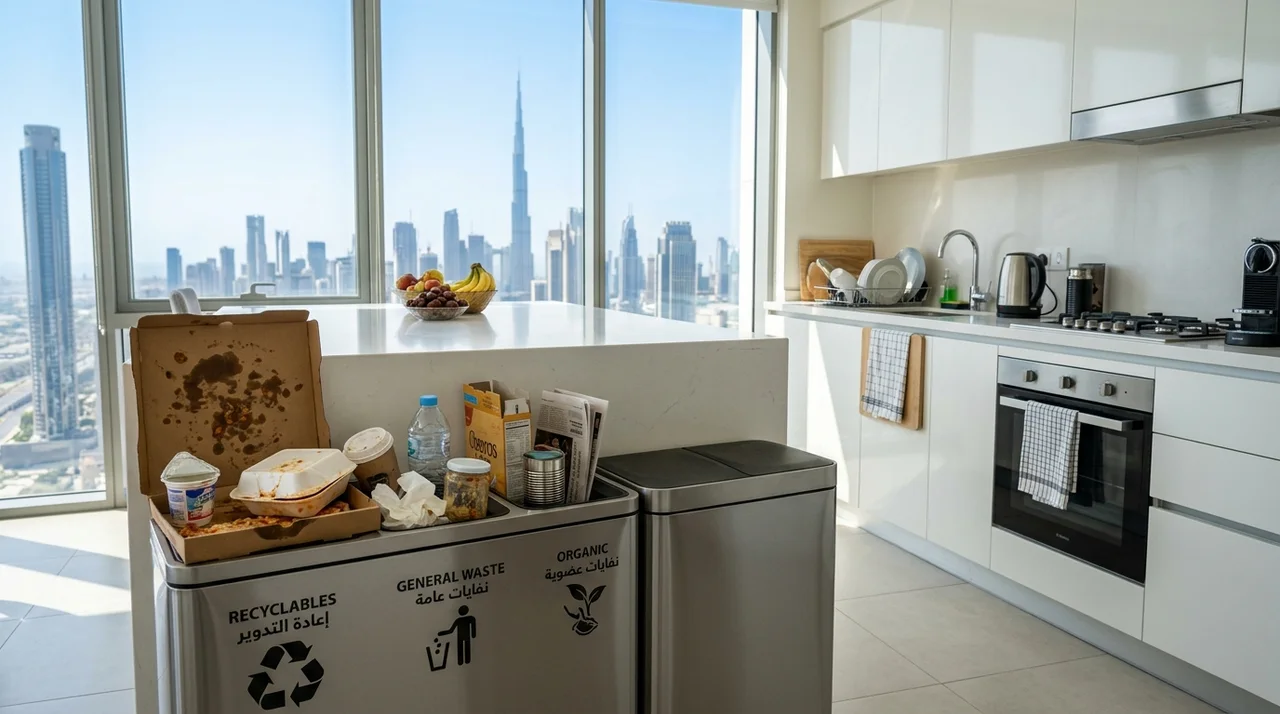
Wishcycling happens when homeowners toss non-recyclable items into dry recycling bins hoping they will somehow be recovered. Common culprits include soiled takeaway containers, plastic wrap, coffee cups, and greasy pizza boxes. When paper or cardboard absorbs grease or food moisture, paper fibers break down and cannot be pulped.
A single oily foil tray or unrinsed hummus tub can contaminate an entire residential recycling batch, forcing sorting facilities to redirect hundreds of kilograms of clean recyclables to landfills. Dry recyclables must be clean, dry, and free of food debris before entering bins. Taking a moment to rinse empty glass jars or metal cans preserves the integrity of surrounding paper products.
Washing leftover cooking oil, gravy, or pan drippings down the kitchen drain feels harmless when hot water is running. However, as grease travels into residential pipes, it cools rapidly and solidifies onto pipe walls. Over months, this sticky layer catches stray food particles, narrowing water flow and causing foul-smelling blockages.
In modern developments across Downtown Dubai residential towers and Business Bay apartment buildings, grease build-up in vertical plumbing stacks causes wastewater backups into lower-floor apartments. Cool your cooking oil, collect it in sealed plastic jars, and discard it with general domestic refuse. Wiping greasy cookware with used napkins before washing drastically cuts grease ingress into wastewater networks.
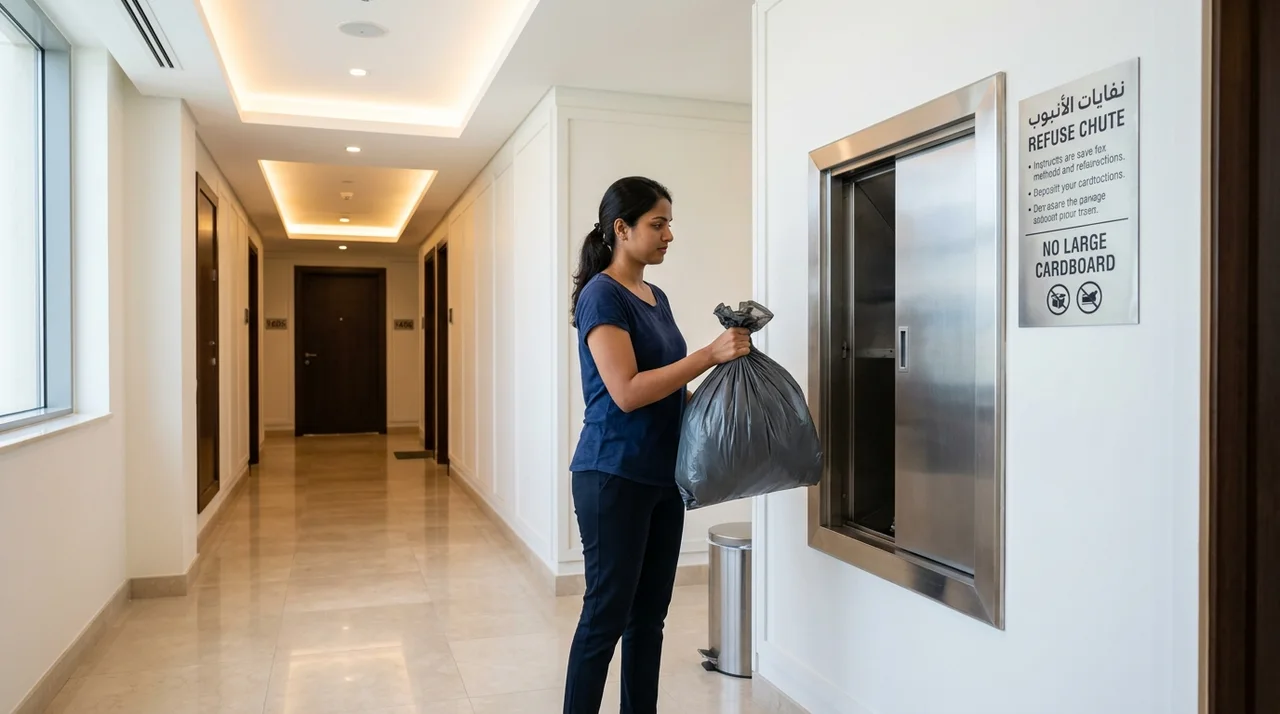
High-rise gravity chutes are engineered strictly for modest, flexible garbage bags. A frequent mistake among apartment dwellers is forcing wide cardboard delivery boxes, metal curtain rails, or heavy floor rugs into the chute door. Once an item wedges inside the vertical shaft, subsequent bags pile up behind it, creating intense odors across upper corridors.
Clearing blocked chutes requires specialized building maintenance teams to lower weighted tools or enter service shafts, incurring steep maintenance costs that impact community association fees. Items too large for a standard thirty-liter bag must be hand-carried to ground-floor waste rooms. Flattening shipping cartons before transit prevents accidental chute door jams.
Rechargeable electronics, wireless earbuds, vape pens, and power banks contain lithium-ion cells. Tossing these small gadgets into general household trash creates extreme fire risks. When collection truck compactors crush domestic refuse, cracked battery casings generate instant thermal runaways that ignite dry paper and plastics.
Truck fires force drivers to dump burning loads directly onto city roads to avoid vehicle destruction. Spent batteries must be segregated inside designated e-waste drop-off bins located at electronics retailers or collected via specialized services. Protecting waste handlers from explosive battery fires remains a core civic duty for every resident.
In villa neighborhoods like Dubai Marina townhouse rows and JLT residential quarters, outdoor wheelie bins sit exposed to harsh sunlight. Leaving bin lids ajar allows summer heat to accelerate bacterial decomposition, generating noxious odors within hours.
Open lids also invite desert crows, stray cats, and pests to rip open plastic bags, scattering litter across roads and driveways. Keeping lids pressed down flat seals in odors and keeps neighborhoods immaculate. If refuse bags prevent the lid from shutting completely, place excess bags in garage shade until collection day.
| Household Mistake | Hidden Risk | Correct Household Procedure | Impact Level |
|---|---|---|---|
| Recycling greasy boxes | Contaminates clean paper batches | Dispose of greasy items in general trash | High environmental impact |
| Pouring grease down sinks | Clogs internal plumbing pipes | Cool and seal fats in disposable jars | High plumbing expense |
| Jamming refuse chutes | Blocks building vertical shafts | Carry bulky cartons to central bin room | High community disruption |
| Tossing lithium batteries | Triggers fires inside collection trucks | Deposit at certified electronic drop points | Critical safety danger |
| Leaving bin lids open | Attracts pests and spreads odors | Keep lids shut tight and park in shade | Moderate neighborhood nuisance |
Deep-cleaning bathrooms and kitchens often generates half-empty bottles of disinfectants, bleach, and drain unblockers. A dangerous mistake is consolidating leftover liquids into a single bottle to save shelf space. Combining ammonia-based window cleaners with chlorine bleach creates hazardous chloramine gas.
Similarly, mixing acidic toilet bowl cleaners with alkaline drain chemicals causes violent exothermic reactions that rupture plastic bottles. Keep chemicals inside their original labeled containers and consult professional guidelines for safe chemical disposal. Inhaling fumes produced by accidental chemical mixing can trigger acute respiratory distress.
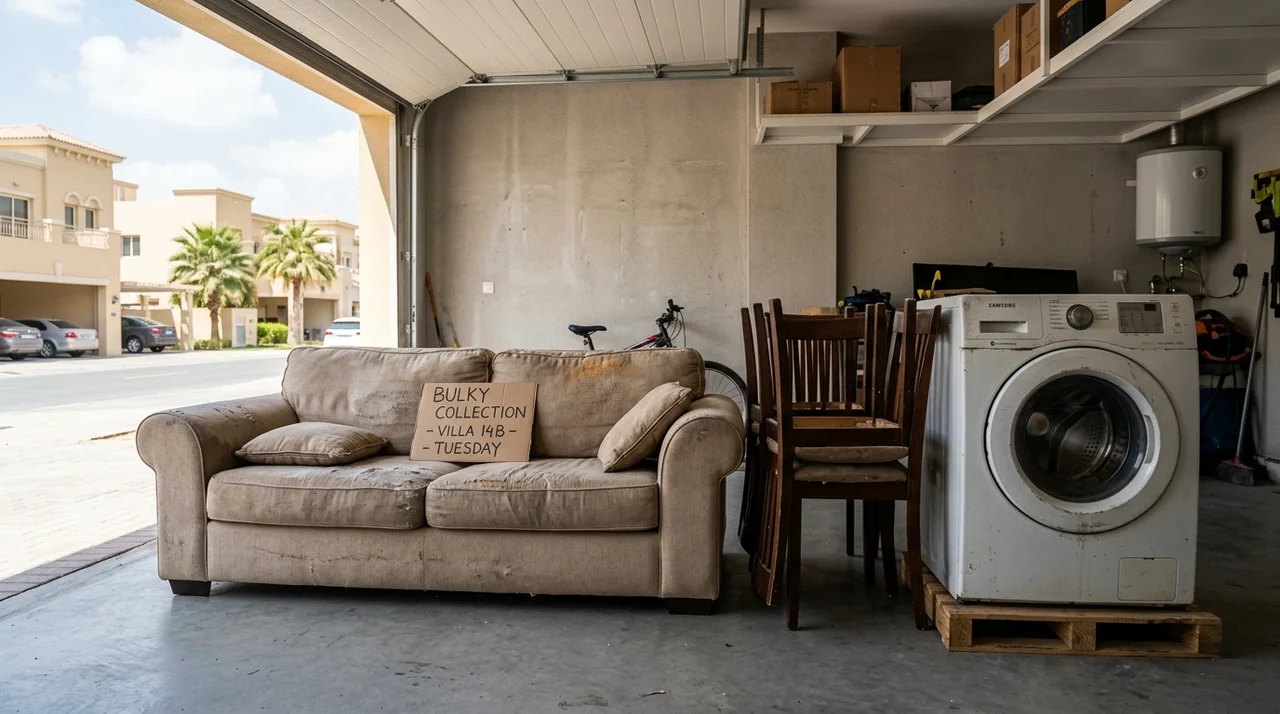
When replacing bedroom sets or living room sectionals, some residents place dismantled headboards, broken mattresses, and worn sofas on the roadside beside communal bins, assuming standard collection crews will pick them up. Routine collection trucks are fitted with mechanical bin-lifters and cannot load loose bulky timber or metal frames.
Abandoned items block pathways and attract administrative penalties from property developers. When you have large items to discard, scheduling professional house clearance in Dubai or garbage removal services ensures heavy items are hauled away safely and recycled responsibly. Professional crews handle heavy lifting and transport materials directly to authorized processing yards.
As a local, fully insured team, Junk Services Dubai makes clearing your space simple — fast pickups, fair upfront pricing and responsible disposal across every Dubai community.
Book today and, where crews are free, we clear it today — with no rush surcharge.
A flat price agreed before we arrive, based on volume, items and access. No surprises.
Background-checked teams who do all the lifting and protect your floors, lifts and walls.
We sort for reuse, donation and recycling in line with Dubai Municipality guidance.
Written by
The Junk Services Dubai Team
Junk Removal Specialists
Our editorial team is made up of the crews and coordinators who clear homes, villas and offices across Dubai every day. We share practical, first-hand guidance on decluttering, disposal and responsible waste removal in the UAE.
Only if the cardboard is free from oil stains and cheese remnants. Greasy bottoms must be torn off and placed into general waste, while clean dry tops can enter dry recycling.
Let the cooking oil cool completely in your cooking vessel, pour it into an old plastic jar or tin can, secure the lid, and place the container inside your general waste trash bag.
Cardboard boxes expand and wedge against the internal walls of vertical chutes, trapping trash bags thrown from upper floors and creating severe building-wide odors and fire hazards.
Take spent lithium-ion batteries to electronics recycling collection kiosks located inside major shopping malls, supermarket entrances, or certified electronic repair facilities.
Liquid paint spills during truck compaction, coating roads with sticky chemicals, polluting stormwater drains, and creating noxious volatile organic fumes in residential streets.
Broken glass should be wrapped thoroughly in several layers of newspaper or placed inside an empty cardboard carton before bagging to protect waste collection staff from severe puncture wounds.
Avoid abandoning furniture beside road curbs. Instead, book an on-demand bulky waste pickup service that handles two-person lifting and transports goods to certified sorting facilities.
Small daily adjustments in how we handle domestic trash make a massive difference to building safety, neighborhood hygiene, and environmental conservation. Avoiding these nine common traps protects your home plumbing, supports recycling programs, and maintains Dubai's high standards of community living. For oversized cleanouts, rely on waste removal services in Dubai to get the job done right.
Got heavy furniture, renovation debris, or bulky domestic discards that standard bins cannot take? Our experienced removal specialists handle heavy lifting and responsible disposal across Dubai. Get in touch with our team today.
GuidesWhat is bulky waste: definitions, weight and size criteria, rejected items, civic limitations, and how to dispose of oversized household items in Dubai.
Read Article Guides
Actionable guide on how to reduce household waste in Dubai. Practical habits for packaging, grocery audits, food waste, smart buying, and domestic sorting.
Read Article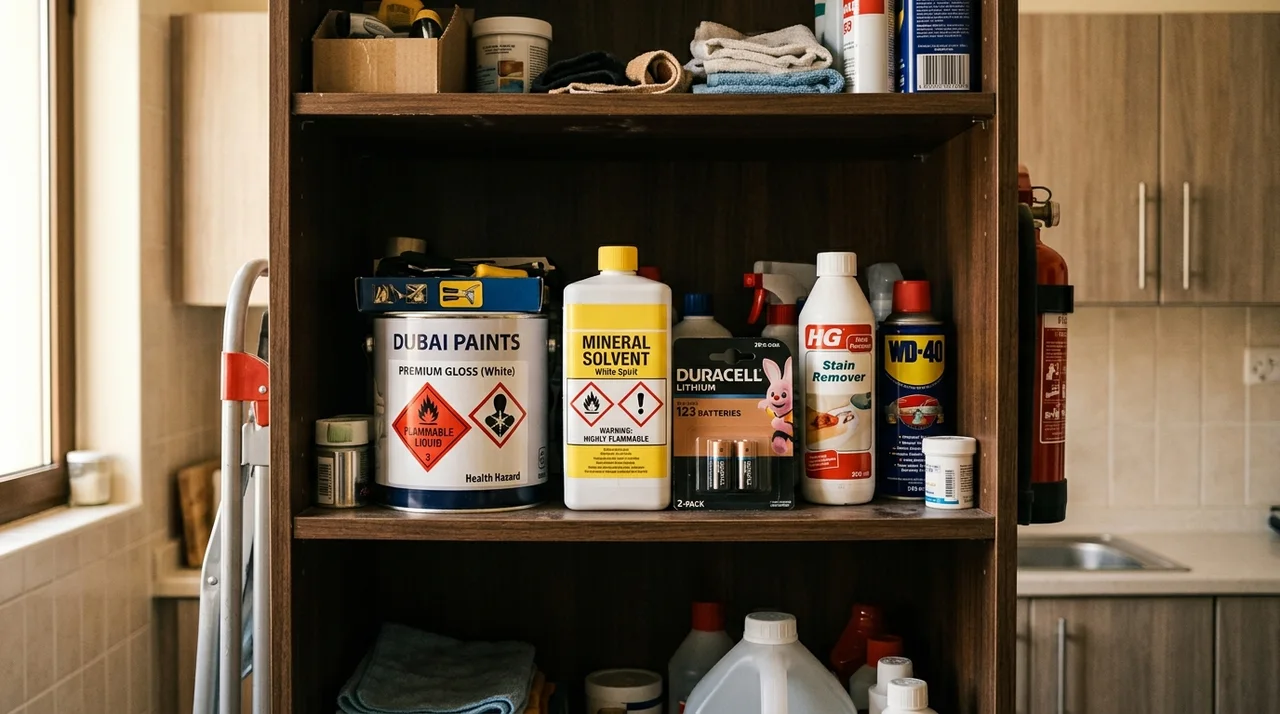 Hazardous & Specialized
How to identify household hazardous waste in Dubai homes. Check product labels, hazard symbols, toxic garage chemicals, batteries, and safe disposal steps.
Read Article