Hazardous Waste Identification at Home: Safe Dubai Guide
The Junk Services Dubai Team 6 min read
Every home in Dubai shelters an assortment of everyday maintenance liquids, aerosol canisters, disinfectants, and rechargeable batteries designed to make modern living comfortable. We store drain openers beneath kitchen sinks, stack enamel paint cans in garage cupboards, and leave corroding lithium power banks inside desk drawers. While these consumer goods perform routine wonders during daily life, they become serious household hazards the moment they expire or are no longer wanted. Tossing toxic chemicals or flammable batteries into regular domestic trash bins risks chemical fires inside collection compactors, poisons public water networks, and endangers waste handlers. Learning how to read product labels, identify chemical danger pictograms, and audit domestic storage zones protects your family and ensures safe handling.
The Four Core Characteristics of Household Hazardous Waste
In environmental safety standards, a consumer chemical qualifies as hazardous waste when its physical or chemical makeup poses substantial risks to human health or the environment. Identifying these products starts by understanding the four universal danger characteristics defined across industrial chemistry:
Flammable and Combustible: Liquids and gases that easily ignite at ambient room temperatures, such as paint thinners, lighter fluids, and aerosols.
Corrosive Substances: Highly acidic or alkaline chemicals capable of dissolving metals and causing deep skin burns, like drain acids and oven cleaners.
Toxic and Poisonous Formulations: Compounds that cause serious illness, nerve damage, or fatality if swallowed, inhaled, or absorbed through skin, such as rodenticides.
Chemically Reactive Compounds: Unstable liquids and powders that release poisonous gases or detonate when exposed to heat, shock, or moisture, such as pool chlorines.
How to Read Hazard Warning Symbols on Consumer Packaging
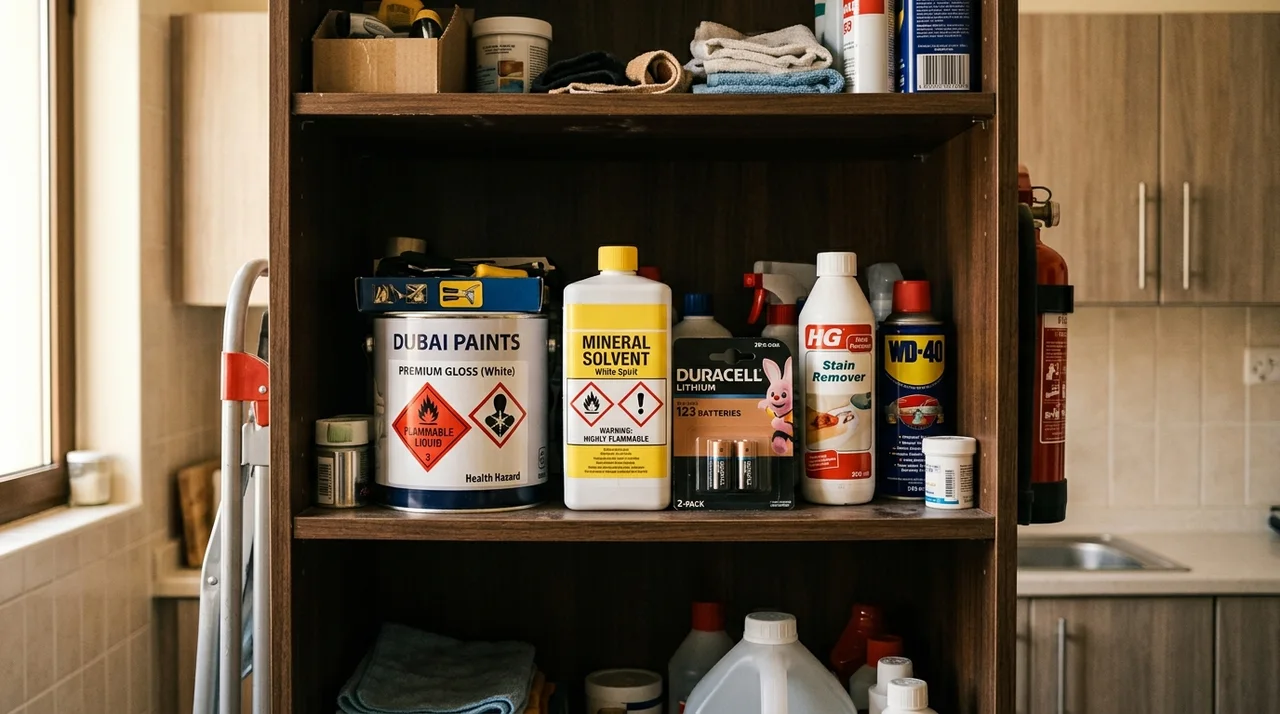
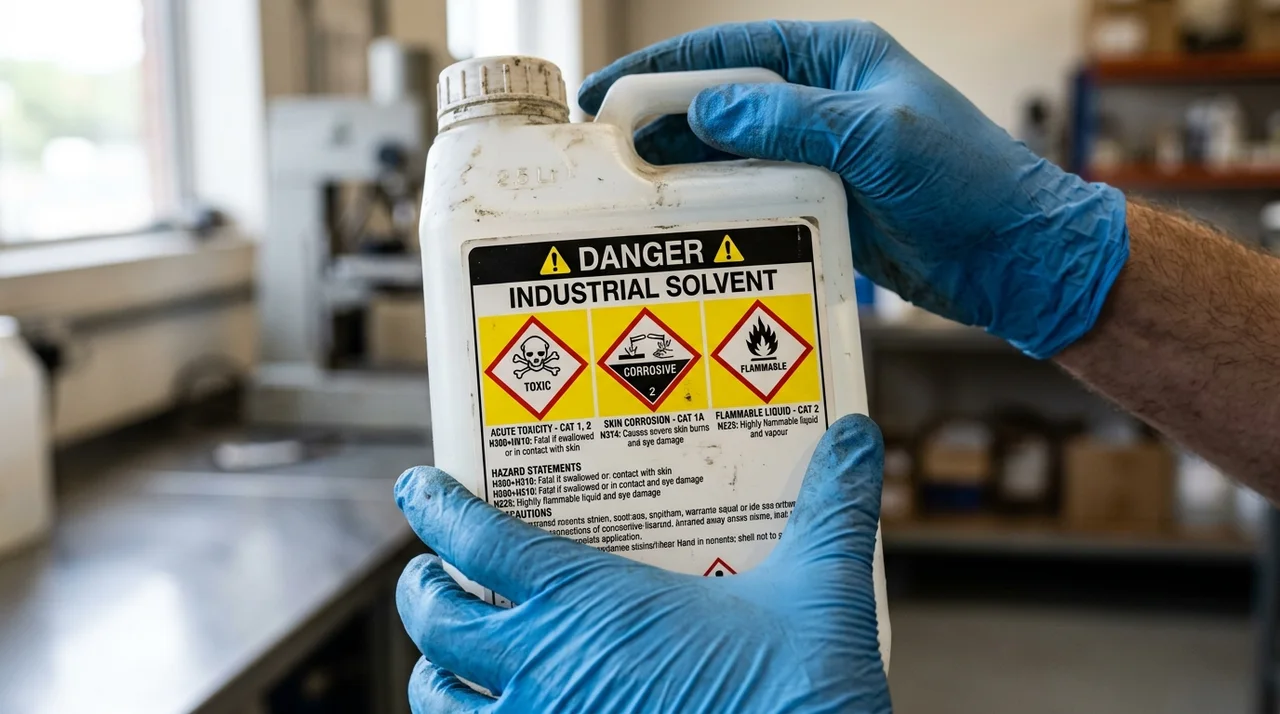
Manufacturers are legally required under international chemical labeling standards to print standardized Globally Harmonized System pictograms on consumer products. These red-bordered diamond symbols communicate danger faster than fine print.
Look for the flame pictogram indicating flammable liquids, the skull and crossbones warning of acute toxicity, the corroding metal and hands icon denoting corrosive acids, and the exploding bomb symbol on pressurized canisters. Beside these symbols, signal words provide immediate context: 'Danger' warns of severe risk requiring extreme caution, while 'Warning' indicates moderate chemical hazards. Check expiration dates printed near container barcodes, as chemical stabilizers degrade over time.
Reading standardized diamond hazard pictograms on household product containers helps identify flammable, toxic, and corrosive substances before disposal.
Room-by-Room Chemical Audit: Where Hazardous Discards Hide
Dangerous chemicals accumulate in forgotten corners across modern Dubai homes. Conducting a systematic room-by-room inspection is the most reliable way to identify expired products before they leak or degrade into unstable compounds.
Household Location
Typical Hazardous Products
Primary Hazard Type
Safe Pre-Disposal Action
Kitchen & Under-Sink
Oven cleaners, drain unblockers, descalers
Corrosive alkali and acids
Keep caps tightened, do not mix with bleach
Garage & Workshop
Motor oil, brake fluids, spray paints, thinners
Flammable hydrocarbons, volatile fumes
Store upright on drip trays away from heat
Laundry Room
Concentrated bleach, ammonia stain removers
Toxic gas release if mixed
Store separately in original vented bottles
Home Office & Bedrooms
Swollen lithium power banks, button cells
Thermal runaway, lithium fire
Tape exposed terminal contacts with electrical tape
Garden Storage & Patios
Insecticides, weed killers, pool chlorine tabs
Acute toxic poisons, strong oxidizers
Keep in sealed original bags inside plastic tubs
Common household hazardous waste storage locations, risk profiles, and basic domestic safety protocols.
In villa communities across Arabian Ranches villa waste clearance, garage cabinets subjected to high summer heat can cause thin aerosol canisters to expand and plastic bleach containers to become brittle and crack. Inspecting storage cupboards twice every year prevents hazardous spills before they damage villa floors.
Hidden Electronics and Battery Hazards: Lithium and Mercury Risks
Many residents associate hazardous waste only with liquid chemicals in bottles, forgetting that consumer electronics contain dangerous chemical components. Obsolete electronic gadgets often hide dangerous toxins inside modern apartments in Downtown Dubai residential collection.
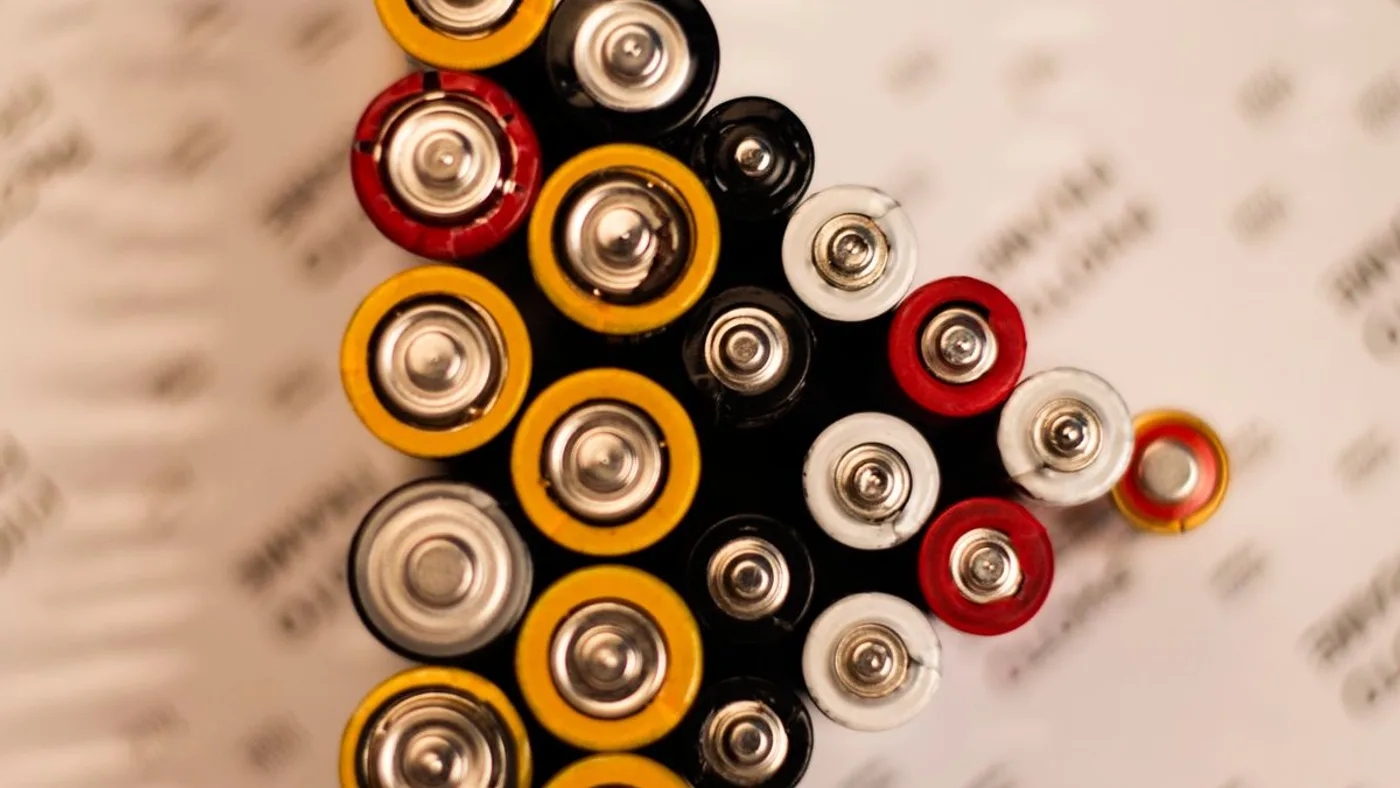
Lithium-ion batteries found in smartphones, cordless vacuum cleaners, electric scooters, and vaping devices contain combustible electrolytes. If crushed inside a standard garbage truck compaction unit, they undergo thermal runaway, sparking stubborn metal fires. Old glass thermometers and fluorescent light tubes also contain trace elemental mercury, requiring specialized specialized waste removal Dubai handling to prevent toxic vapor release.
Dangerous Household Chemical Combinations to Avoid at All Costs
When decluttering storage cupboards, untrained individuals frequently attempt to consolidate half-empty bottles to save space. Mixing household cleaning chemicals is exceptionally hazardous and can produce lethal chemical reactions within seconds.
1Bleach and Ammonia: Mixing chlorine bleach with window cleaners containing ammonia produces poisonous chloramine vapor that causes severe lung damage.
2Bleach and Vinegar: Combining acidic vinegar with chlorine bleach creates toxic chlorine gas, which burns eyes and respiratory passages immediately.
3Bleach and Rubbing Alcohol: Blending alcohol with household bleach creates chloroform and hydrochloric acid, which can cause unconsciousness.
4Different Drain Cleaners: Pouring one brand of drain opener followed by another can trigger violent exothermic boiling and chemical acid splashes.
5Hydrogen Peroxide and Vinegar: Mixing these two common disinfectants in one bottle creates peracetic acid, which corrodes skin and damages lungs.
Safe Containment and Storage Before Specialist Collection Day
Once you have identified hazardous items around your home, isolating them properly prevents accidental poisonings, domestic fires, and floor damage while awaiting collection. Following strict containment rules protects your household:
Always retain chemicals in their original manufacturer bottles with legible warning labels intact. If a plastic jug is cracked or leaking, place the entire container inside a larger, chemical-resistant polyethylene bucket lined with absorbent cat litter. Store all hazardous items on elevated garage shelves away from children and family pets, ensuring direct sunlight never reaches pressurized aerosol cans. Keeping chemical products in a cool, shaded environment prevents container swelling and stabilizes volatile liquid solvents before collection day arrives.
Step-by-Step Household Hazardous Identification Action Plan
Follow this methodical six-step plan whenever conducting an annual home chemical clearout across your villa or apartment to keep every family member safe:
Inspect all storage zones: Check beneath sinks, inside laundry closets, garage workbenches, and outdoor garden toolboxes.
Read product labels carefully: Look for red diamond hazard warning symbols and explicit signal words like Danger or Flammable.
Check battery condition: Inspect old gadgets and power banks for swelling, bulging, or white powdery corrosion around terminal joints.
Secure loose container caps: Ensure all bottle lids are tightened firmly and wipe away exterior drips using disposable shop towels.
Keep chemical groups isolated: Place acids, fuels, and bleaches into distinct plastic transport bins before booking specialized clearance.
Label unknown products: Mark peeling containers with bold waterproof ink so clearance handlers can provide specialized chemical containment.
Key Takeaways
Household hazardous waste falls into four main danger categories: flammable, corrosive, toxic, and reactive.
Look for standardized red-bordered diamond pictograms and words like 'Danger' and 'Flammable' on labels.
Lithium-ion batteries and fluorescent tubes contain chemical elements that ignite fires or emit mercury vapor.
Never mix household cleaners together, particularly bleach with ammonia or vinegar, as they release toxic gases.
Keep chemicals in their original labeled containers inside secondary plastic tubs until professional collection.
Why Choose Junk Service in Dubai
As a local, fully insured team, Junk Services Dubai makes clearing your space simple — fast pickups, fair upfront pricing and responsible disposal across every Dubai community.
Same-Day Availability
Book today and, where crews are free, we clear it today — with no rush surcharge.
Fair, Upfront Pricing
A flat price agreed before we arrive, based on volume, items and access. No surprises.
Insured, Uniformed Crews
Background-checked teams who do all the lifting and protect your floors, lifts and walls.
Responsible Disposal
We sort for reuse, donation and recycling in line with Dubai Municipality guidance.
Our editorial team is made up of the crews and coordinators who clear homes, villas and offices across Dubai every day. We share practical, first-hand guidance on decluttering, disposal and responsible waste removal in the UAE.
FAQ
Frequently Asked Questions
A product is classified as hazardous waste if it possesses one or more dangerous characteristics: flammability (catches fire easily), corrosiveness (eats through materials or skin), toxicity (poisonous if inhaled or touched), or reactivity (explodes or releases gas).
No, you should never pour paint, thinners, or solvents down household sinks or outdoor drains. They coat plumbing pipes, generate explosive vapors in sewer lines, and contaminate regional wastewater treatment infrastructure.
Rechargeable lithium batteries that show visible swelling, bulging, cracked casings, strange chemical odors, or white crusty corrosion around terminals are hazardous and should be isolated in non-conductive containers with taped terminals.
A completely empty aerosol can with zero pressure remaining can be recycled with scrap metals. However, partially full aerosol cans containing propellant gas or chemical residue remain pressurized and flammable, requiring hazardous handling.
Treat any unidentified liquid or powder with extreme caution as hazardous. Do not open, sniff, or shake the container. Place the unlabelled bottle inside a sealed plastic bucket, label it 'Unknown Chemical', and inform the clearance crew.
Alcohol-based perfumes, nail polish bottles, and acetone nail polish removers are highly flammable and contain volatile organic solvents, making them hazardous items that should not be poured down drains or into general waste.
Mixing chlorine bleach with acidic vinegar triggers an immediate chemical reaction that releases toxic chlorine gas. Even brief exposure causes severe coughing, eye burning, throat irritation, and potential respiratory tissue damage.
Final Thoughts
Safeguarding your household from chemical accidents begins with awareness and routine inspection of what sits forgotten inside cupboards and garages. By learning to interpret hazard symbols, isolating incompatible liquids, and treating degraded batteries with respect, Dubai residents protect their families and civic sanitation workers. When managing extensive home clearouts, professional junk removal services Dubai teams assist with proper sorting and segregation.
Take time this weekend to review your utility cabinets and garage workbenches. Secure loose caps, separate corrosive cleaners, and connect with our team for specialized waste removal Dubai to safely clear domestic chemical clutter.
Clear Household Chemical Clutter Safely Today
Do not leave outdated chemicals, corroded batteries, or dangerous solvents sitting in your villa garage. Our insured Dubai teams provide full assistance to haul away non-hazardous bulky waste and guide safe domestic clearing. Reach out on WhatsApp today to organize your collection.
Half-used tins of emulsion, a can of gloss and a bottle of thinner sit in most Dubai store rooms. Which ones can be dried out at home, which need a specialist, and how the rest of the room gets cleared.
A drawer of dead batteries is harmless until it is tipped into a mixed load. Which household cells carry a real risk, why terminals get taped, and how a Dubai home collects and hands them on.
Paints, aerosols, batteries, lamps and pool chemicals are handled apart from a general clear-out. What counts as hazardous household waste in Dubai and what to do with each type.
 Guides