Waste Segregation at Home: A Practical Guide for Dubai Households
The Junk Services Dubai Team 6 min read
Segregating waste at home is less about knowing which bin takes what and more about building a routine that survives a busy week. This guide covers the four streams a Dubai household produces, where the containers physically go in an apartment and in a villa, and the one habit the climate here makes essential. It assumes nothing about what your building provides, because that varies from tower to tower.
Segregation at home is the household half of recycling. A collection service can sort a mixed load up to a point, but once a bag of food waste has travelled with the paper, that paper stops being paper as far as a recycler is concerned.
So the job at home is narrow. Keep the dry things dry and separate, and let everything wet go where wet things go. That is the entire system. The rest of this guide is about making it survive a real household.
The Four Streams a Dubai Home Produces
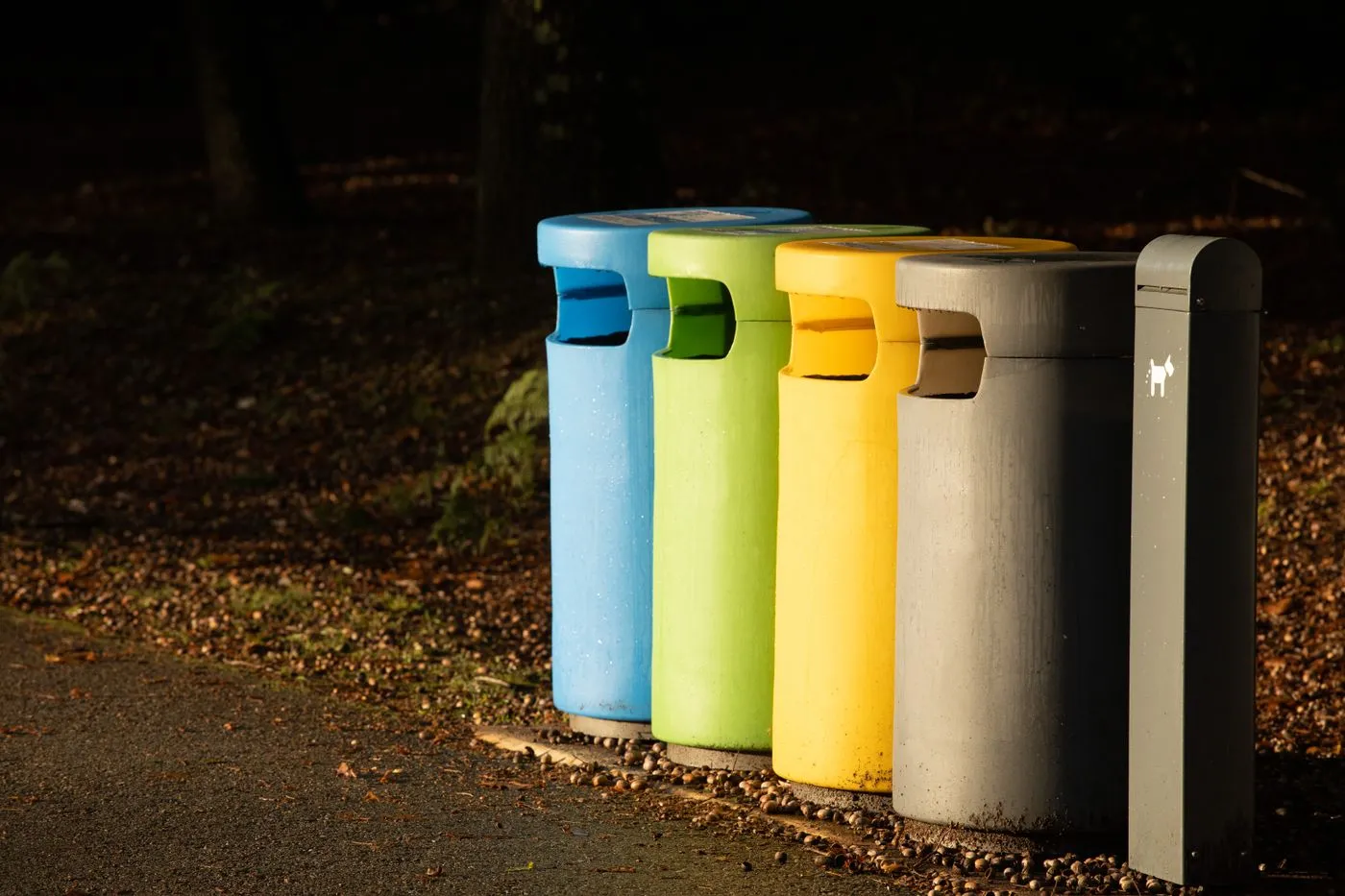
General waste: Food scraps, soiled packaging, bathroom waste and anything wet or mixed. This is the bag that goes out most often, and in Dubai it is the one that should never be left to wait.
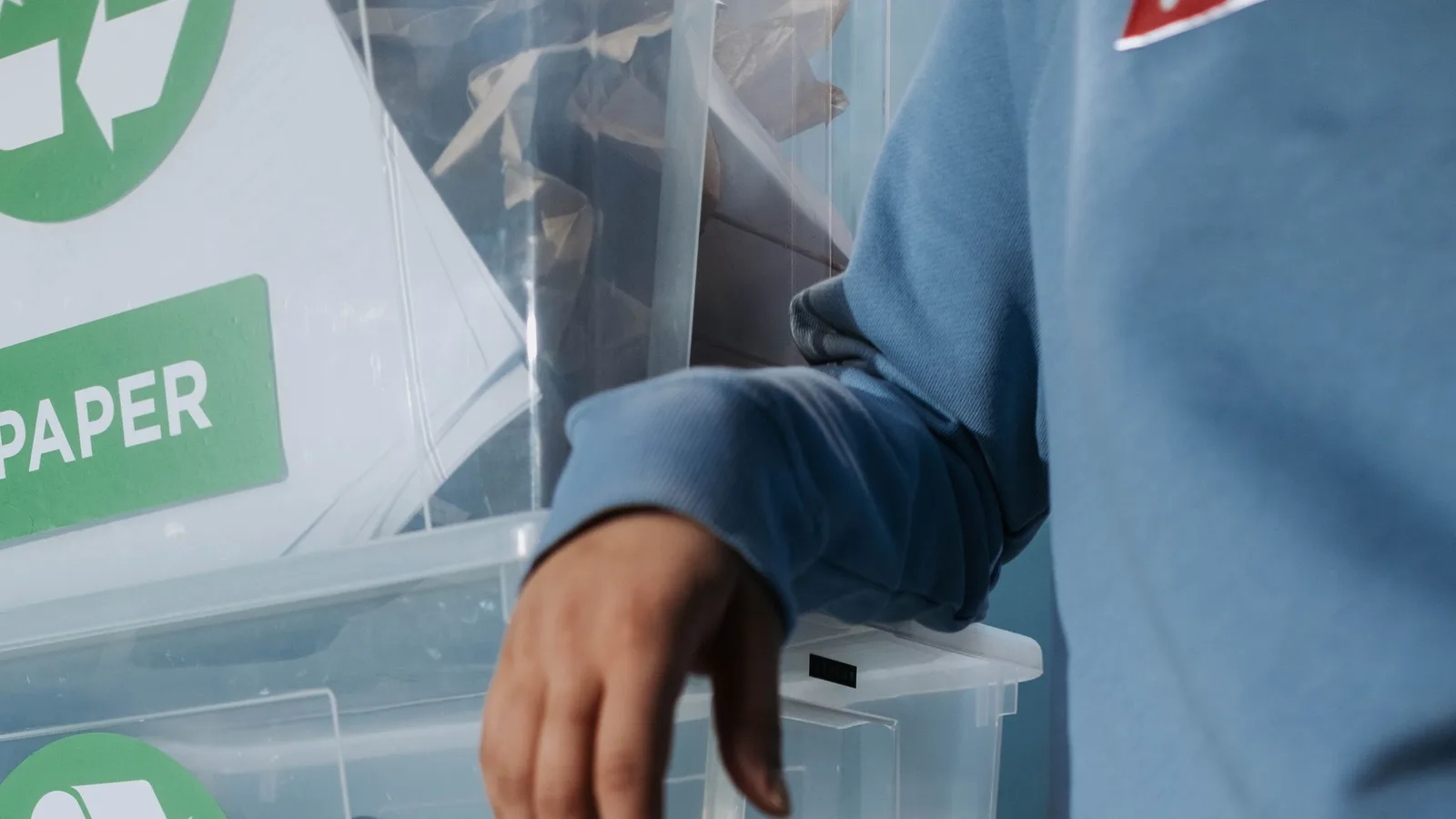
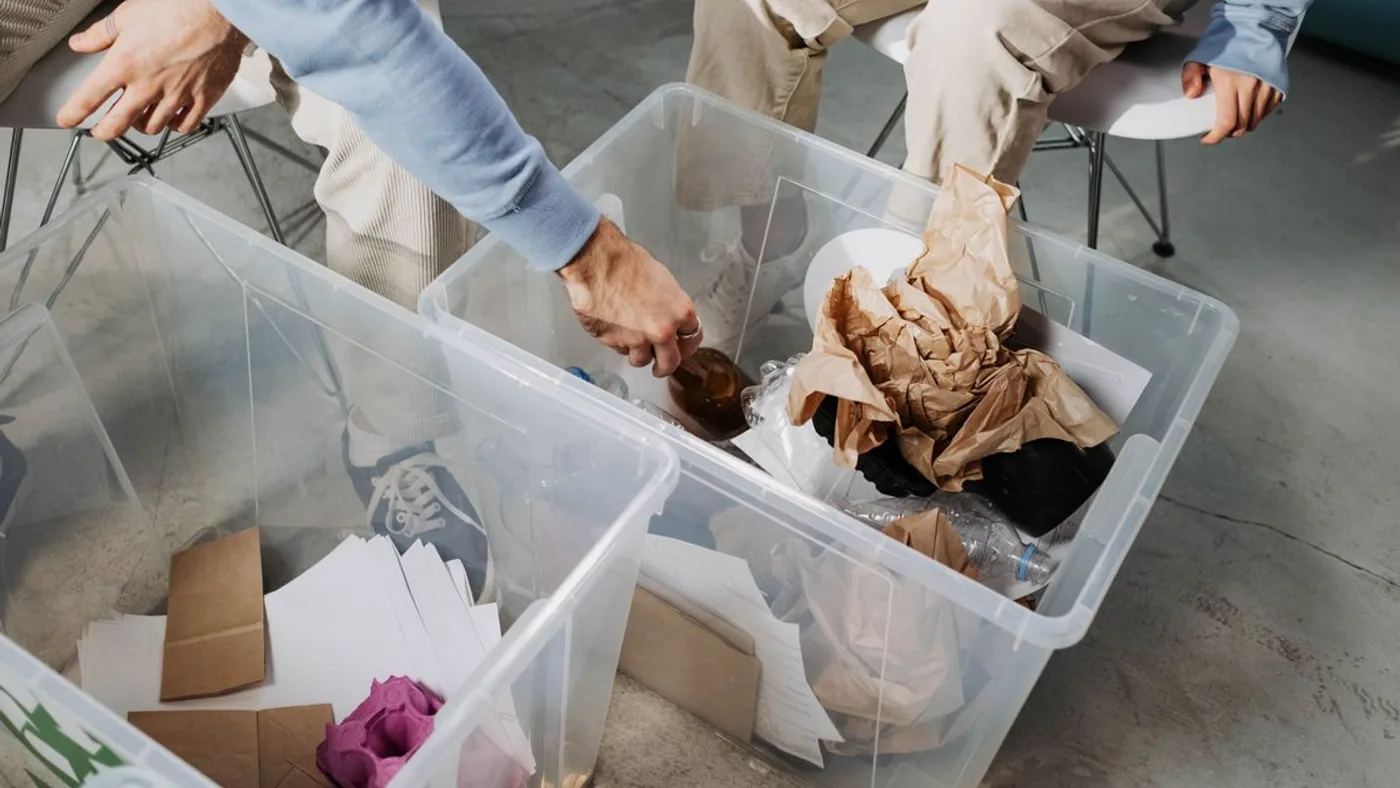
Dry recyclables: Paper, card, empty plastic bottles and containers, and metal cans. These can share one container at home where the building takes them mixed, and they stay recyclable only while they stay dry.
Glass: Jars and bottles, kept apart from everything else. Glass earns its own container because a broken jar in a bag of card ruins both and cuts whoever lifts the bag.
Its own route: Batteries, light bulbs, electronics, paint, cleaning chemicals and anything bulky. None of these belong in a household stream, and each has a different destination.
Where the Bins Physically Go
Where the containers stand is what decides whether a household keeps this up. A system that asks somebody to walk out to the balcony mid-cooking lasts about a week.
A Dubai kitchen has room for two containers and rarely three. Put general waste under the sink and dry recyclables in the tallest container that fits, since dry material is bulky rather than heavy.
Glass does better in a crate or a sturdy box than in a bin, tucked into a utility cupboard and taken down when it is full rather than on a schedule.
In a villa the utility room or garage carries the whole system easily, which is why villa households tend to sort into more streams than apartment ones.
Keep the special-route items together in one labelled box out of the way. A dead battery, a broken lamp and a half tin of paint can share that box for months without causing a problem.
Avoid the balcony for anything organic or unrinsed. Between May and September it is the hottest storage in the home.
What the building does with the streams after that is set locally rather than uniformly. Some towers run a signed bin room with separate containers; others provide a single chute and sort downstream. Building management is the accurate source for your address, and our guide to Dubai's waste disposal rules covers the layers that sit above your own kitchen.
Two containers in the kitchen and a crate elsewhere is the setup most Dubai apartments can sustain.
Keeping the Dry Stream Dry
One habit does more than perfect sorting ever will: rinse anything that held food or drink at the sink as you finish with it, rather than later in a batch. A rinsed yoghurt pot dries in minutes and joins the dry stream. An unrinsed one sits in a warm kitchen and takes the paper around it down with it.
The heat is what makes this a Dubai rule rather than general advice. Residue that would sit harmlessly for a week in a cooler climate draws insects here within a day or two, and a container that smells is a container the household quietly stops using properly.
The same logic sets the timing of the general bag. Take it out daily through the summer even when it is half full. No version of this system works if the wet stream is allowed to stand.
A Routine That Survives a Busy Week
1Rinse and dry as you go, at the sink, in the seconds after a container is emptied.
2Flatten card the moment it arrives in the home, before it becomes a stack nobody wants to deal with.
3Take the general bag out daily, and the dry stream when its container is full rather than on a fixed day.
4Empty the glass crate on a trip you were making anyway, since it is heavy and rarely urgent.
5Check the special-route box once a season and clear it in one booking rather than item by item.
Rinsing at the sink as you go takes seconds; rinsing a batch later rarely happens at all.
Getting Everyone in the Home Doing the Same Thing
A segregation system is only as good as the least interested person in the household, and that is usually a matter of guesswork rather than willingness. People sort correctly when they can see which container takes what without having to think.
Label containers with the items rather than the category. “Bottles, cans, paper, card” beats “recyclable”.
Keep the number of streams to what the building genuinely takes. Sorting into five when the bin room has two teaches everyone that the sorting is pointless.
Brief housekeeping or a helper the same way you would brief anyone else, and put the labels in the languages spoken in the home.
Give children the glass crate or the card flattening rather than anything involving food residue.
Expect the routine to lapse during a house move, a party or a long holiday, then restart it instead of abandoning it.
Where the Sorted Material Goes Next
Stream
Where it waits in the home
How it leaves
General waste
Under the sink, emptied daily
Building chute, bin room or community bin
Dry recyclables
A tall container in the kitchen or utility room
A separated bin where the building provides one, or a booked sorted collection
Glass
A crate or box in a cupboard, taken down when full
Boxed rather than bagged, so nothing breaks in a lift or a stairwell
Batteries, bulbs and electronics
One labelled box, cleared seasonally
Collected with a booked load but kept separate inside it
Bulky items and furniture
Wherever they stand, never the corridor
A booked collection, since no household stream takes them
The home system only has to hold material safely until the route that takes it becomes available.
Once the streams are separated, a sorted load is a different job from a mixed one. Our guide to recycling collections in Dubai covers how a sorted pickup is booked and prepared, and where the material goes afterwards explains what happens to each stream once it leaves the building.
Key Takeaways
Keep to the streams your building genuinely takes; sorting into five when the bin room has two teaches everyone it is pointless.
Rinse at the sink as you go. Dry material stays recyclable, and one unrinsed pot downgrades the paper around it.
Take the general bag out daily in summer, half full or not, because residue turns within a day in Dubai's heat.
Keep batteries, bulbs, electronics and paint in one labelled box, and clear it seasonally rather than item by item.
Never use the balcony for anything organic; between May and September it is the hottest storage in the home.
Why Choose Junk Service in Dubai
As a local, fully insured team, Junk Services Dubai makes clearing your space simple — fast pickups, fair upfront pricing and responsible disposal across every Dubai community.
Same-Day Availability
Book today and, where crews are free, we clear it today — with no rush surcharge.
Fair, Upfront Pricing
A flat price agreed before we arrive, based on volume, items and access. No surprises.
Insured, Uniformed Crews
Background-checked teams who do all the lifting and protect your floors, lifts and walls.
Responsible Disposal
We sort for reuse, donation and recycling in line with Dubai Municipality guidance.
Our editorial team is made up of the crews and coordinators who clear homes, villas and offices across Dubai every day. We share practical, first-hand guidance on decluttering, disposal and responsible waste removal in the UAE.
FAQ
Frequently Asked Questions
Two in most apartments and three or four in a villa. General waste and dry recyclables are the minimum, glass earns its own crate if you produce it, and a single labelled box handles batteries, bulbs and small electronics.
Yes, though the benefit shifts. Keeping dry material clean and separate raises how much of it can be recovered where the building sorts downstream, and it means a sorted recycling collection can be booked without a full sort first.
Crush them if space is short and leave the cap off. What matters more is that they are empty and dry, because a bottle with liquid still in it wets the paper and card around it.
Bag it, tie it and take it out daily rather than letting it stand. In summer a half-full bag left overnight in a warm kitchen is enough to attract insects, which is the most common reason a household abandons a sorting routine.
In a crate or a sturdy box rather than a bag, in a cupboard or a utility area. Boxing it means nothing breaks in a lift, a stairwell or a bin room, and a full crate is one trip instead of several.
Ask building management or the community office rather than assuming. Provision varies between towers and between communities across Dubai, and it is the one part of this that no general guide can answer for your address.
Not directly, because a collection is sized on volume and access rather than on sorting. It does make a sorted recycling collection possible, and it keeps recoverable material out of the general load.
Label containers with the items rather than the category, keep the labels in the languages spoken in the home, and keep the number of streams small. Guesswork, not willingness, is what breaks most household systems.
Final Thoughts
The households that keep this up are not the ones with the most bins. They are the ones whose system needs no thought: a rinse at the sink, a flattened box, a bag out every evening. Add a fifth stream and the whole thing tends to collapse back to one.
Sorting at home is only worth the effort if the material has somewhere to go afterwards. Our waste removal crews take separated streams as separated streams, and anything the home system cannot hold, from a broken lamp to an old wardrobe, can leave on the same visit.
Arrange Collection for What the Bins Cannot Take
Separated streams, a full glass crate, a box of dead batteries and an old appliance can all leave on one booking. Send a photograph of what is standing and we will size the vehicle.
WhatsApp Us the photographs, Book a Pickup for a date that suits, or Speak With Our Team about a repeating collection.
What a recycling collection covers in Dubai, which materials leave as separate streams, how to prepare them, and when a booked pickup beats carrying it all downstairs.
Waste rules in Dubai arrive in three layers: the emirate, your community, and your building. Here is what each one governs and what never belongs in a bin.


 Guides