The water cooler is the appliance nobody thinks about until the office moves or the tenancy ends, and then it turns out to be heavier, wetter and more complicated than it looks. This guide covers what water dispenser disposal removes in Dubai, why the bottle on top is usually not yours to throw away, and what to drain before a crew arrives.
This is the machine, not the water contract. Floor-standing hot and cold coolers, countertop units, bottle-fed dispensers, mains-plumbed point-of-use models and the small under-counter chillers behind an office pantry all come out the same way.
What comes out with it is the empties, the bottle stand and the drip trays. What does not is anything built into the plumbing itself: a filter housing tapped into the mains under a sink is disconnected and taken, but the pipework it was spliced into stays where it is and belongs to the property.
Bottle-Fed, Plumbed and Countertop Units
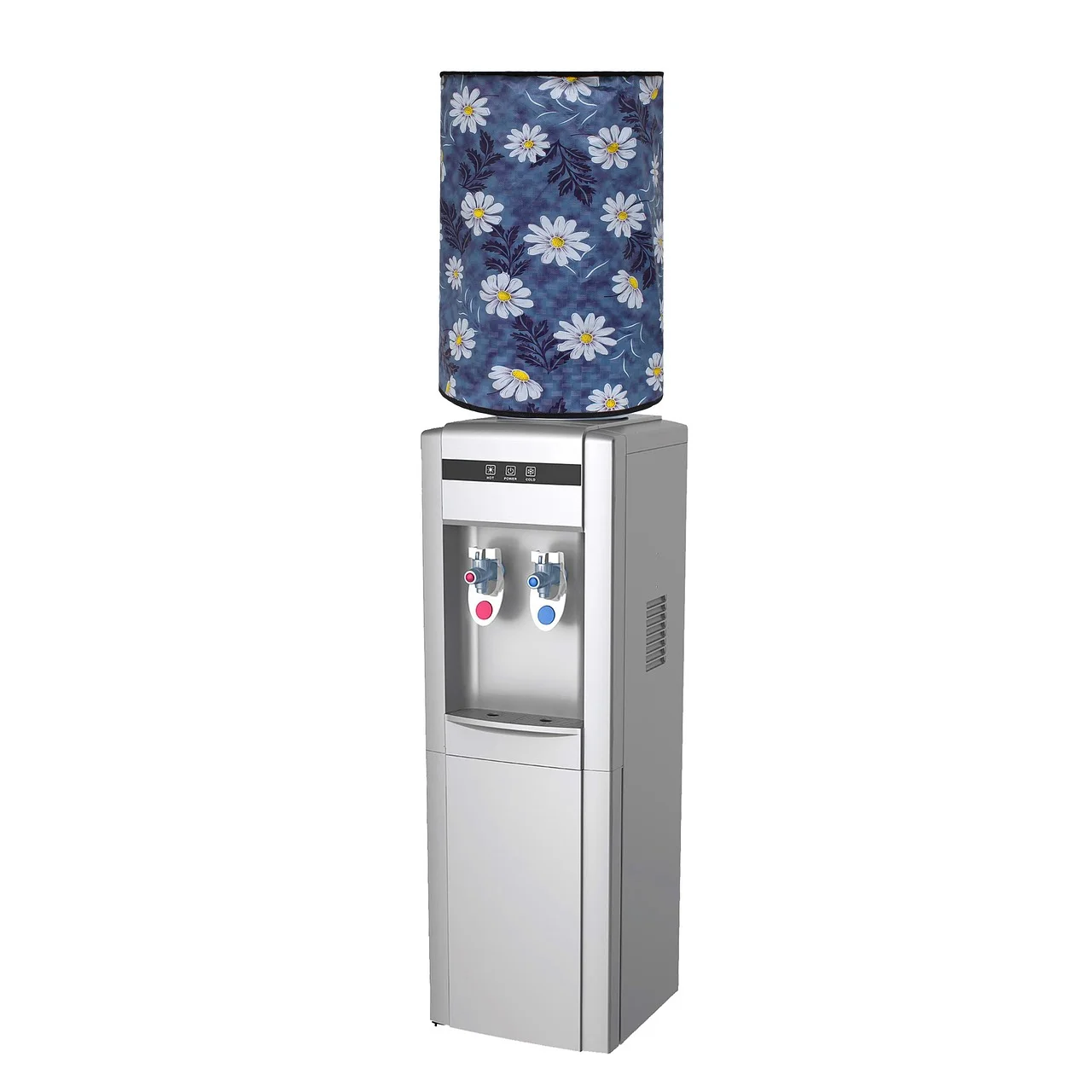
Floor-standing bottle-fed cooler: The common one in Dubai homes and offices. Around 12 to 18 kilograms empty, top-heavy once a bottle is on, and a two-person lift on stairs.
Countertop cooler: Smaller and easier to carry, but the same compressor and heating tank inside. It is still e-waste rather than a plastic appliance.
Mains-plumbed point-of-use unit: Fed from the water supply through a filter rather than a bottle. It has to be isolated at the valve and disconnected before it can be moved.
Under-counter chiller: Sits in a pantry cupboard feeding a tap above. Awkward to reach and often screwed to the carcass it stands in.
Cooler with an ice or sparkling function: Carries extra refrigeration and a gas cylinder on some models. The cylinder is separated and never travels attached.
The Bottles Are Usually Not Yours
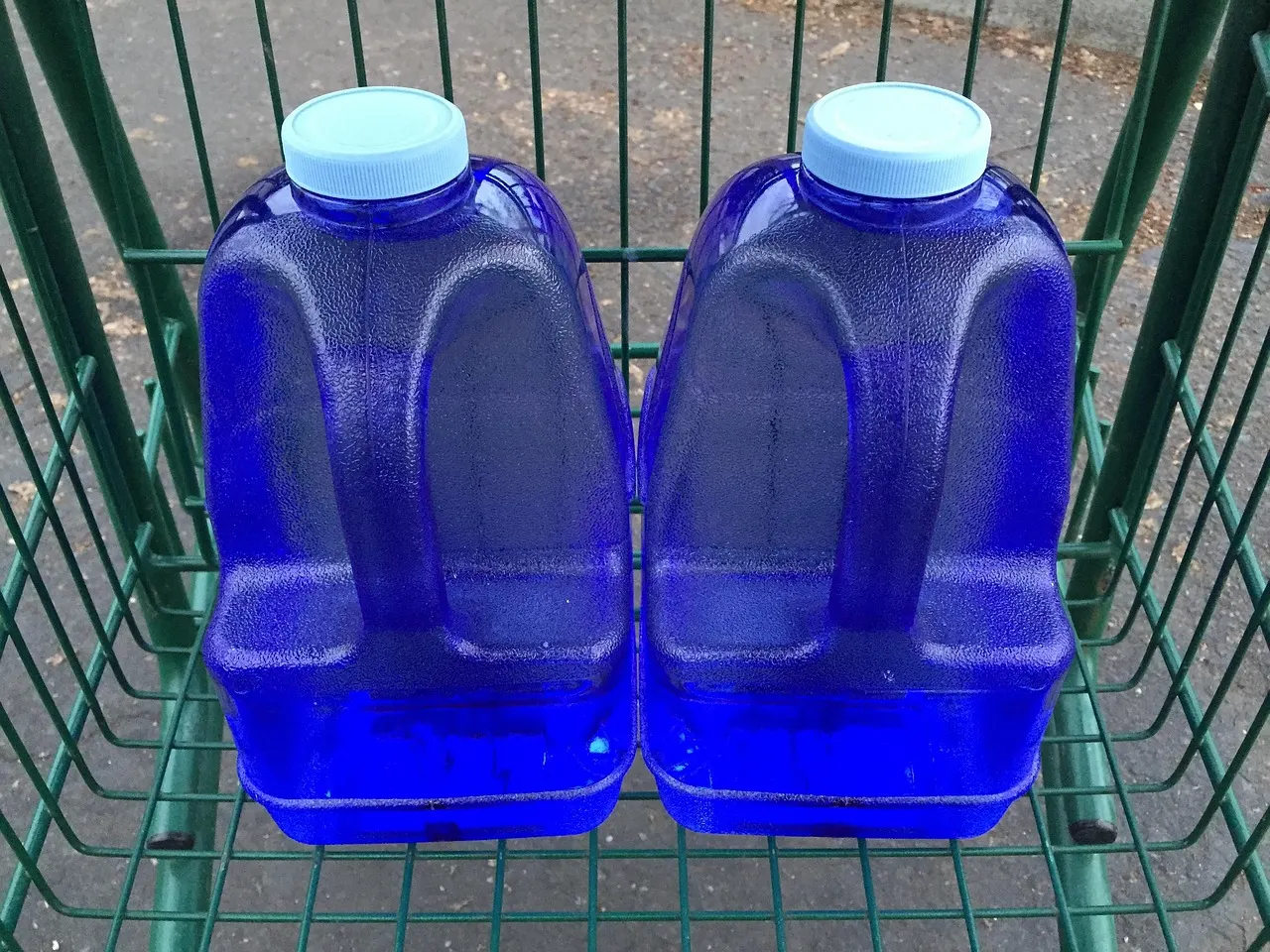
This catches out more people leaving Dubai than any other part of the job. Most bottled-water arrangements here run on returnable polycarbonate bottles held against a deposit, and the empties stay the property of the water supplier throughout. They go back to the supplier on a final collection, not out with the dispenser.
Count the empties before you book anything, because the deposit is usually refunded per bottle returned.
Ask the supplier for a final pickup date, which often needs a few days' notice at the end of a month.
Keep the caps and the bottle stand together, since some suppliers count the stand as theirs too.
A bottle you own outright, from a discontinued supplier or a one-off purchase, is rigid polycarbonate and goes for plastics handling rather than in a bin.
Never cut a returnable bottle down for storage or a plant pot before checking, since a damaged bottle forfeits the deposit.
Returnable bottles carry a deposit and belong to the supplier. They go back on a final collection rather than out with the cooler.
Where a bottle genuinely is yours to dispose of, our guide to plastic recycling in Dubai covers which plastics have a route and which do not.
Draining and Wiping Down Before Collection
1Unplug the dispenser and leave it off for at least a few hours, so the hot tank is no longer at temperature.
2Lift the bottle off and set it aside with the other empties for the supplier.
3Run both taps into a jug until they stop, which empties the cold reservoir and most of the hot tank.
4Open the drain plug at the back, usually a small capped spigot low on the rear panel, and let the rest out into a bowl.
5Empty the drip tray, wipe the cabinet down and leave the taps open so nothing sits inside on the journey.
6Coil the cord and tape it to the back panel rather than leaving it trailing across a floor.
Draining matters more here than it sounds. A cooler that has run through a Dubai summer in a hallway with no air conditioning can hold several litres between its two tanks, and that water finds the nearest carpet the moment the unit is tipped onto a trolley. Two tanks left full also add real weight to a stair carry.
Both taps are run off into a jug until they stop, then the rear drain plug takes out what the taps cannot reach.
Why It Is an Appliance, Not a Plastic Box
A water dispenser looks like moulded plastic and is handled like a fridge. Behind the panel sits a small sealed compressor, a refrigerant circuit, a stainless cold reservoir, a heating element and a control board, and each of those has a recovery route that a general waste bin does not offer.
Part
Route
Note
Compressor and refrigerant circuit
Appliance recycling, gas recovered first
The same handling a fridge gets, on a smaller scale
Stainless tanks and heating element
Scrap metal recycling
Stainless steel and copper both hold value
Control board, thermostat and cabling
Electrical recycling
Small circuit boards carry recoverable metals
Plastic cabinet and drip tray
Plastics handling where the grade allows
Mixed and painted mouldings often cannot be recycled
Working unit in sound condition
Donation or resale before disposal
Age and whether it still chills decide it
A dispenser is a refrigeration appliance in a plastic shell, which is why it is separated rather than binned whole.
Plenty of dispensers in Dubai offices were never bought at all. Water suppliers routinely place a cooler on free loan against a standing bottle order, which means the machine goes back to them rather than out with the clearance, and taking it away by mistake turns into a replacement charge on the final invoice.
Check the invoice folder or the supplier portal before the clearance date, not on the day.
Look for a supplier asset sticker or serial plate on the rear panel, which is the usual marker of a loaned unit.
Give the supplier a collection slot that lands before the office handover, since they rarely come at short notice.
Where a unit is genuinely owned, confirm it in writing so nobody has to guess during the clear-out.
A single cooler is a small job, so it is worth putting it with everything else that is going. A dispenser on its own means a truck making a trip for one item, while the same visit can clear the pantry fridge, the microwave and the rest of the small electricals in one go.
Tell us whether the unit is bottle-fed or plumbed in, which floor it is on, and whether the empties are going back to a supplier. If it is one item in a move-out, our guide to appliance disposal on move-out day covers the sequence, and our appliance disposal service and junk removal service handle the rest of the room in the same booking.
Key Takeaways
A water dispenser is a refrigeration appliance with a compressor, a heating tank and a control board, so it is handled as e-waste rather than plastic.
Returnable polycarbonate bottles carry a deposit and belong to the water supplier, so they go back on a final collection rather than out with the unit.
Many office coolers are on free loan against a bottle order, and removing one by mistake becomes a replacement charge.
Both taps are run off and the rear drain plug opened before collection, since two full tanks are heavy and leak onto whatever is below.
A plumbed-in unit is isolated at the valve and disconnected; the pipework it was spliced into stays with the property.
Why Choose Junk Services Dubai for Water Dispenser Disposal
As a local, fully insured team, Junk Services Dubai makes clearing your space simple — fast pickups, fair upfront pricing and responsible disposal across every Dubai community.
Handled as an Appliance
Coolers go to appliance and electrical recycling with the compressor, tanks and board separated, rather than being dropped in with general plastic.
Drained Before It Moves
We check both tanks and the drip tray before anything is lifted, so nothing empties itself across a hallway carpet on the way out.
Supplier Kit Left Alone
Loaned coolers and returnable bottles are flagged and left for your water supplier, so nothing you do not own ends up on our truck.
Our editorial team is made up of the crews and coordinators who clear homes, villas and offices across Dubai every day. We share practical, first-hand guidance on decluttering, disposal and responsible waste removal in the UAE.
FAQ
Frequently Asked Questions
No. It holds a compressor, refrigerant, a heating element and a control board, which makes it an electrical appliance for disposal purposes. It is collected and separated for appliance and electrical recycling instead.
Almost all of them belong to your water supplier and carry a refundable deposit, so they go back on a final supplier collection. Only a bottle you genuinely own is handled as rigid plastic for recycling.
Yes, and it takes a few minutes. Unplug it for a few hours, run both taps into a jug, then open the small drain plug on the rear panel. A full unit leaks onto the floor as soon as it is tipped onto a trolley.
Check the invoice folder or supplier portal, and look for an asset sticker or serial plate on the back panel. Suppliers commonly place a cooler on free loan against a standing bottle order, and a loaned unit goes back to them.
Yes. The supply is isolated at the valve and the unit disconnected before it moves. The pipework and any tee fitting that was cut into the mains stay with the property rather than coming out with the machine.
Only if it still chills reliably and the tanks are clean. A unit that has stopped cooling, smells stale or has scale through the cold reservoir is not something a charity will place, so it goes for recycling.
Yes, along with the cord and any spare taps or filters that came with it. Check first whether your supplier counts the stand as theirs, since some include it with the loaned equipment.
Final Thoughts
The cooler is a five-minute job with two things to settle first: whether the machine is yours to give away, and whether the bottles are. Get those answered before the clearance date and the collection itself is the easy part.
It rarely leaves alone. Most dispensers go out alongside the pantry fridge and the rest of the small electricals, which our guide to appliance removal in Dubai covers end to end.
Old Cooler Taking Up the Corner?
Bottle-fed or plumbed in, home or office, the dispenser can be drained, disconnected and taken for appliance recycling in one visit alongside whatever else is going. WhatsApp Us a photo and your floor, and we will arrange collection across Dubai.
The safe way to handle appliance removal in Dubai — fridge, washing machine, dryer, dishwasher, oven and AC disposal, why appliances can't go in general junk, electronics recycling, apartment and villa collection, same-day pickup and Dubai Municipality compliance.
The white goods you bought during a tenancy cannot be lifted straight onto a truck. What has to be disconnected and drained first, how long a fridge needs, and where the landlord's built-ins fit in.
A practical guide to electronics disposal in Dubai — responsible collection of household and office e-waste, from TVs, laptops and phones to printers, monitors and IT equipment, why data security and hazardous parts matter, how to prepare devices, and Dubai Municipality-compliant recycling.


 Guides