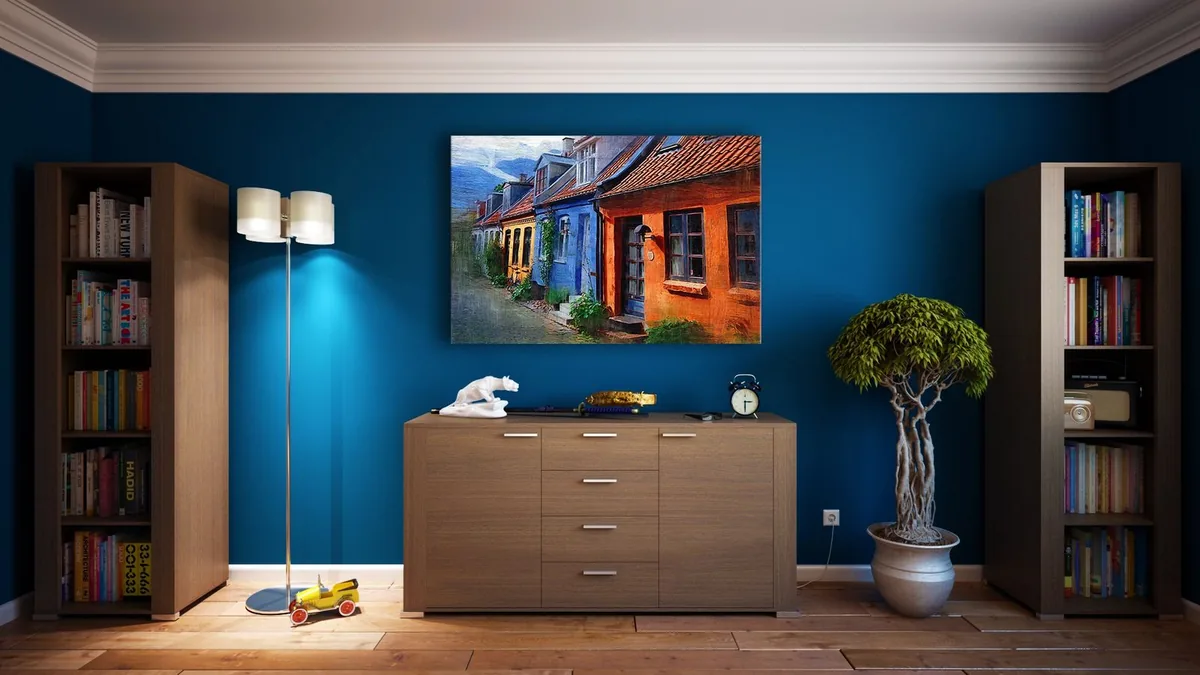
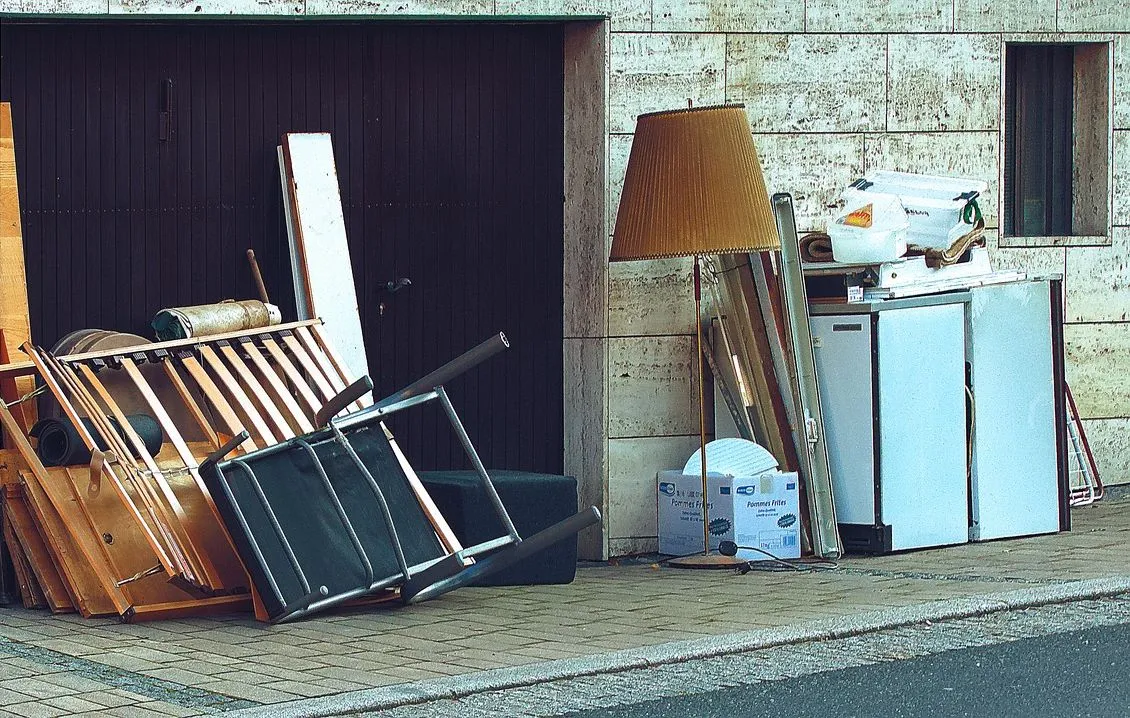
A mirror is one of the last things to come off the wall when a home is cleared, and one of the few items nobody wants to carry down a stairwell. This guide covers what mirror and glass furniture disposal removes in Dubai, why a mirror cannot go out with your bottles and jars, and how a tall pane comes out of an apartment without anyone getting hurt.
This covers pieces where the glass is the item rather than a detail on it. Wall-hung and leaning mirrors, dressing-table and console mirrors, mirrored chests and sideboards, glass display cabinets, glass shelving units and glass-topped console tables all belong here.
A few glass pieces have their own guide, because the furniture rather than the glass sets the job. A glass dining table is priced and handled as a table, a glass-topped coffee table as a coffee table, a glass desk top as office furniture, and mirrored sliding doors as part of the wardrobe they belong to.
Fixed glazing is not furniture and stays with the property. Shower screens, window panes, balcony balustrades and mirror walls bonded across a bedroom or gym wall are part of the building, and removing them is a fit-out job rather than a collection.
Why a Mirror Is Not Recyclable Glass
Mirror glass is kept out of the bottle and jar stream because of what is bonded to the back of it. A mirror is a sheet of float glass with a thin silver or aluminium coating and one or two layers of protective paint behind that, and none of it separates cleanly at a glass plant.
Container glass is sorted by colour and remelted, and a mirror's metallic backing and paint spoil the batch it lands in.
Toughened glass from a cabinet door or shelf behaves differently again in a furnace, so it is set aside rather than mixed in.
Laminated glass holds a plastic interlayer between two panes and counts as a mixed material rather than glass.
The frame, the backing board and the hanging fittings come away first, so each material can follow the route that suits it.
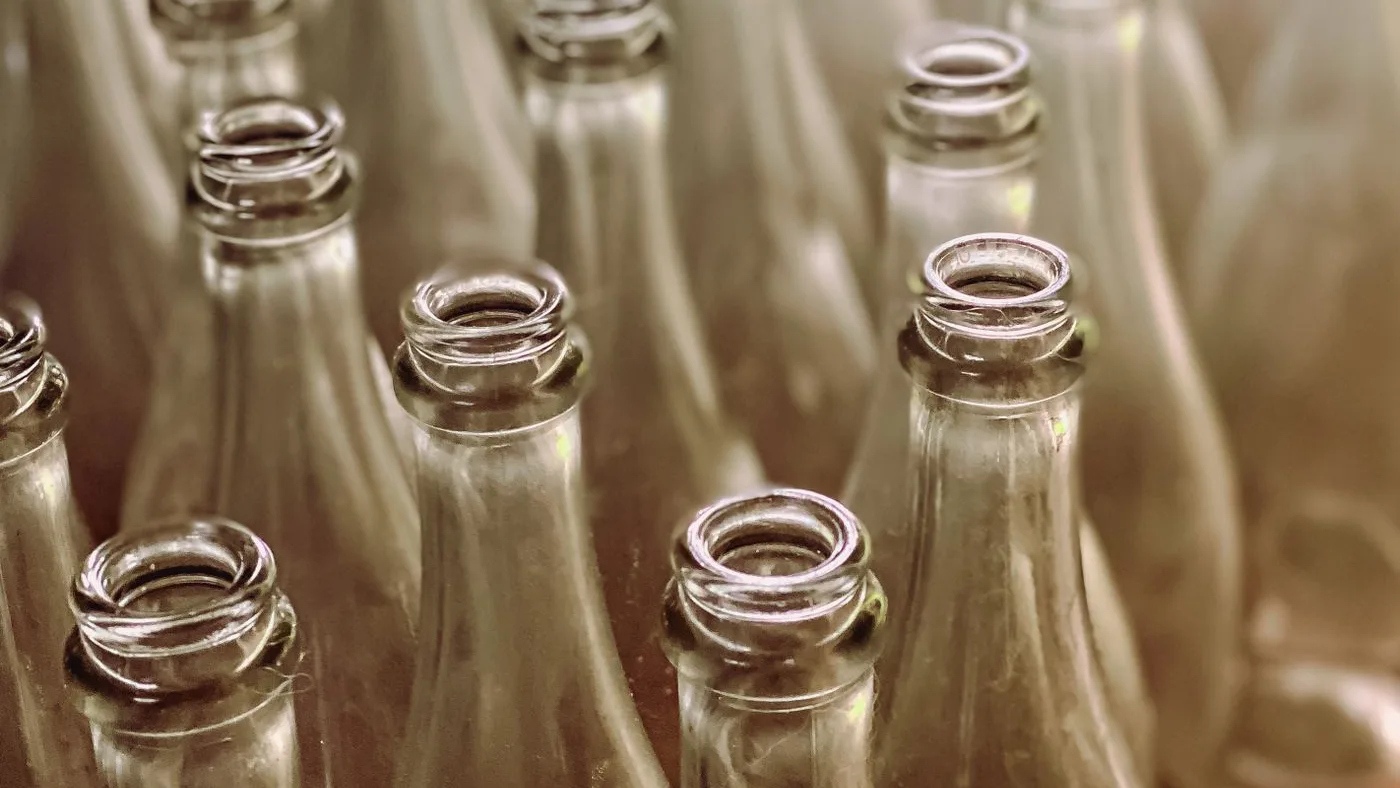
If what you have is a crate of empties rather than furniture, our guide to glass recycling in Dubai covers which glass has a route and which does not.
The Pieces We Collect and How Each Comes Out
Tall wall-hung mirror: Hangs on a cleat, D-rings or metal clips. Taped across the face, wrapped, then lifted off by two people and carried on its edge.
Leaning floor mirror: Light-looking and heavy in practice, with a high centre of gravity. It is blanket-wrapped and strapped before it is moved at all.
Mirrored chest or sideboard: Mirror panels are glued to a board carcass. The panels stay where they are and get wrapped in place rather than prised off.
Glass display cabinet: Shelves and glazed doors come out first and travel separately, then the empty frame carries out as one light shell.
Glass shelving unit: Each shelf lifts off its brackets, gets wrapped and is stacked flat with card between the panes so nothing rubs.
Dressing table with a fixed mirror: The mirror unbolts from its uprights, so the table and the pane leave the room as two separate items.
A round mirror on a cleat lifts straight up off the wall. The hard part is the carry, not the fixing.
Taking a Tall Mirror Down Without Damage
1Clear the floor under the mirror and lay a blanket where the pane will be set down.
2Run tape across the face in a criss-cross, so an existing hairline crack cannot open into loose shards mid-lift.
3Identify the fixing first: a French cleat lifts straight up, metal clips unscrew, and glue-fixed mirrors do not release cleanly.
4Lift with two people supporting the bottom edge rather than hanging off the frame, which is the part most likely to give.
5Wrap the face and both long edges, then carry the pane upright and on edge, never flat.
6Stand it against a wall at the other end rather than laying it on the floor where somebody can tread on it.
In a Dubai tower this is where the building's rules start to matter. Anything taller than about a metre and a half needs the service lift rather than the passenger lift, and most buildings want that slot booked with security a day or two ahead. A wrapped pane travels in the lift standing on edge with the reflective face turned inward, so a stray trolley or a door edge meets padding rather than glass.
Glued Mirrors and Bathroom Mirrors
A mirror fixed to plaster with mirror adhesive rarely survives its own removal. The bond is stronger than the glass, so the pane usually comes away in sheets rather than whole, and the adhesive pads stay stuck to the wall behind it. The crew takes the glass away as sharp waste; filling and repainting what is left is a decorating task and no part of a collection.
Bathroom mirrors have a second problem. Years of steam and Dubai humidity creep in at the cut edges and lift the silver backing, leaving the black spotting you see around the border of an older mirror. Once that has started the pane has no resale or donation value, whatever the frame around it is worth.
Frame and pane are two different materials on two different routes, so they are separated before either one is loaded.
Cracked, Chipped and Already Broken Pieces
Damaged glass is still collected, and it is handled as sharp waste from the moment the crew walks in. What changes is the preparation, not whether the job can be done.
Say at booking that a pane is cracked, so the crew arrives with cut-resistant gloves and a rigid container rather than blankets alone.
Tape a cracked face before anyone touches it, which holds the pieces in position while it is wrapped.
Sweep loose shards into a rigid box rather than a bin bag, since a bag tears the moment it is lifted.
Leave a shattered cabinet door in the carcass if it is still holding, because the frame is doing the containing for you.
Keep pets and children out of the room until the floor has been swept and checked.
If the glass is one part of a piece that has failed altogether, our guide to broken furniture removal in Dubai covers what happens when an item is past saving rather than just past its best.
Where Each Part Ends Up
Part
Route
Why
Mirror pane
Flat-glass handling, kept out of container recycling
The silver backing and paint contaminate a bottle melt
Toughened cabinet glass and shelves
Separated from container glass
Different composition and melting behaviour
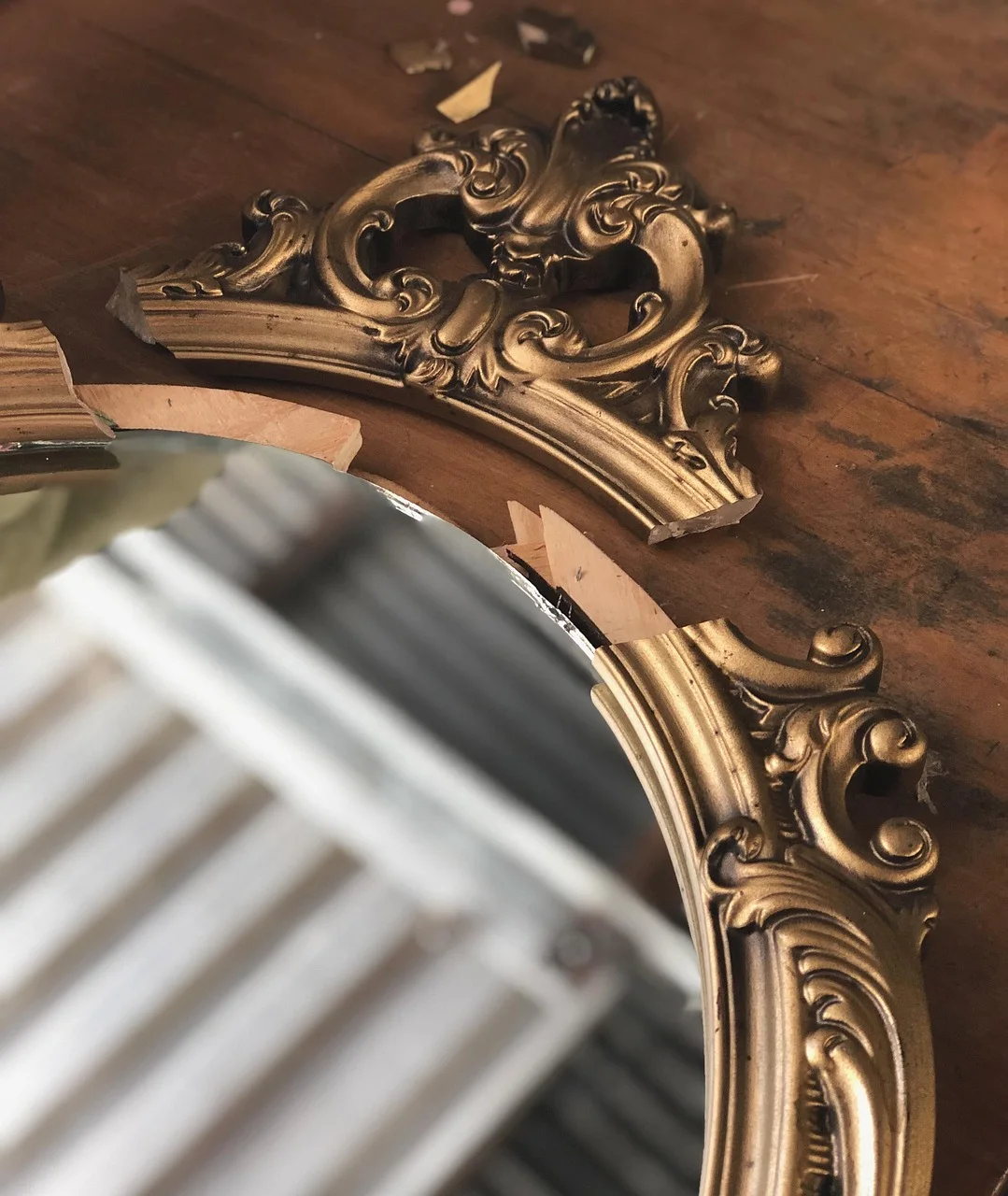
Timber or gilt frame
Reuse if sound, otherwise general waste
Composite gilt and resin finishes have no scrap value
Metal frame, brackets and clips
Scrap metal recycling
Steel, brass and aluminium all have a buyer
Sound mirror or cabinet in good order
Donation or resale before disposal
Edge condition and backing decide whether it is reusable
A mirror is three materials pretending to be one item, which is why it is taken apart before anything is loaded.
Three details settle the whole job before anyone arrives: the height of the tallest pane, how it is fixed, and which floor it is on. Send a photo taken square to the mirror and a rough measurement, and the crew knows whether this is a two-person carry, whether the service lift is needed, and how much wrap to bring.
Mirrors rarely leave on their own. They tend to come out during a handover or a room refresh alongside the furniture they were bought to match, which is why a single visit works out cheaper than separate trips. A lone pane fits the pattern in our guide to single item junk removal in Dubai, while our furniture removal service and house and villa clearance cover the whole room or the whole property in one booking.
Key Takeaways
Mirror and glass furniture disposal covers mirrors, mirrored furniture, glass cabinets and glass shelving, not fixed glazing like shower screens or window panes.
Mirror glass never goes in with bottles and jars, because the silver backing and paint contaminate a container-glass melt.
A tall pane is taped, wrapped and carried upright on its edge by two people, usually through the service lift.
A mirror glued to the wall almost always breaks during removal, and the adhesive pads and any wall repair are not part of a collection.
Frames, brackets and metal fittings are separated for scrap, and a sound mirror or cabinet is offered for reuse first.
Why Choose Junk Services Dubai for Mirror and Glass Furniture Disposal
As a local, fully insured team, Junk Services Dubai makes clearing your space simple — fast pickups, fair upfront pricing and responsible disposal across every Dubai community.
Taped and Wrapped Before Anything Moves
Every pane is taped across the face and wrapped on both edges before it leaves the wall, so a hidden crack stays a crack rather than becoming a floor full of shards.
Sized From Your Photo
We take the height, the fixing type and the floor from what you send, so the crew arrives knowing whether this is a stairwell carry or a service-lift booking.
Glass, Frame and Fittings Sorted Separately
Panes are kept out of the container-glass stream, metal frames and brackets go for scrap, and anything sound enough to reuse is held back for donation.
Our editorial team is made up of the crews and coordinators who clear homes, villas and offices across Dubai every day. We share practical, first-hand guidance on decluttering, disposal and responsible waste removal in the UAE.
FAQ
Frequently Asked Questions
No. Mirror glass carries a metallic backing and a paint layer that contaminate a container-glass melt, so it is kept out of the bottle and jar stream and handled as flat glass instead.
It is taped across the face, wrapped on the face and both edges, then carried upright on its edge by two people. Anything over about a metre and a half goes through the service lift, which usually needs a slot booked with building security.
Rarely. Mirror adhesive bonds harder than the glass itself, so a glued pane normally releases in sheets and the adhesive pads stay on the plaster. The glass is taken away as sharp waste, and making the wall good afterwards is a separate decorating job.
The shelves and glazed doors come out first and travel wrapped and separate, then the empty frame is carried as one light shell. Leaving the glass in place is what cracks it on a corner or a lift door.
No. That spotting is the silver backing lifting where moisture has crept in at the cut edge, and it spreads rather than stops. The frame may still be worth reusing, but the pane itself goes for disposal.
It is still collected, treated as sharp waste from the start. Mention it when you book so the crew brings cut-resistant gloves and a rigid container, and sweep loose shards into a box rather than a bin bag.
Yes. Mirrored chests, sideboards and console tables have their panels glued to a board carcass, so the panels are wrapped in place and the piece leaves whole or in sections rather than being stripped down first.
Final Thoughts
Mirrors get left until last because they look impossible to deal with, and the reason is real: the pane is heavy, the edges are sharp, and there is no bin anywhere that will take it. None of that makes it a difficult collection, as long as somebody measures it and wraps it properly before it moves.
Most of these pieces come out during a handover or a room refresh rather than on their own. If yours is one item among several, our guide to what a single furniture piece costs to remove in Dubai explains how that changes the price.
Mirror Off the Wall and Nowhere to Put It?
Tall mirrors, mirrored chests, glass cabinets and glass shelving are wrapped, carried out on edge and sorted for the right stream, whether one piece or a full room. WhatsApp Us a photo and the height, and we will arrange collection across Dubai.
Bottles and jars recycle endlessly, but most of the other glass in a Dubai home cannot go in with them. Here is what belongs in a glass load, what ruins one, and how to move a heavy stream out of a tower.
A practical guide to wardrobe removal in Dubai — easy collection of freestanding, sliding-door, fitted and flat-pack wardrobes, chests and cabinets from apartments, villas and offices, how a crew dismantles and carries each part, preparing your bedroom, and responsible donation, resale and recycling.
Broken furniture is a different booking from old furniture. Why a damaged piece has no donation route, what usually breaks it in Dubai, and why it often has to come apart to leave the room.

 Guides