Aluminium Can Recycling in Dubai: From Kitchen to New Metal
The Junk Services Dubai Team 6 min read
An empty drink can looks insignificant, yet it is one of the clearest recycling decisions in a household. Aluminium has an established recovery route, carries value by weight and can return as new metal without the quality loss associated with many mixed plastics. The weak point is not the material. It is what happens between the last sip and collection: leftover liquid, food residue, mixed rubbish and careless storage can turn a clean metal stream into a dirty bag.
A beverage can is almost entirely one recoverable metal. That makes it different from a laminated pouch, lined paper cup or mixed-material food pack, all of which require several layers to be separated. Aluminium can be melted and formed again, so a clean can remains useful feedstock after the drink is gone.
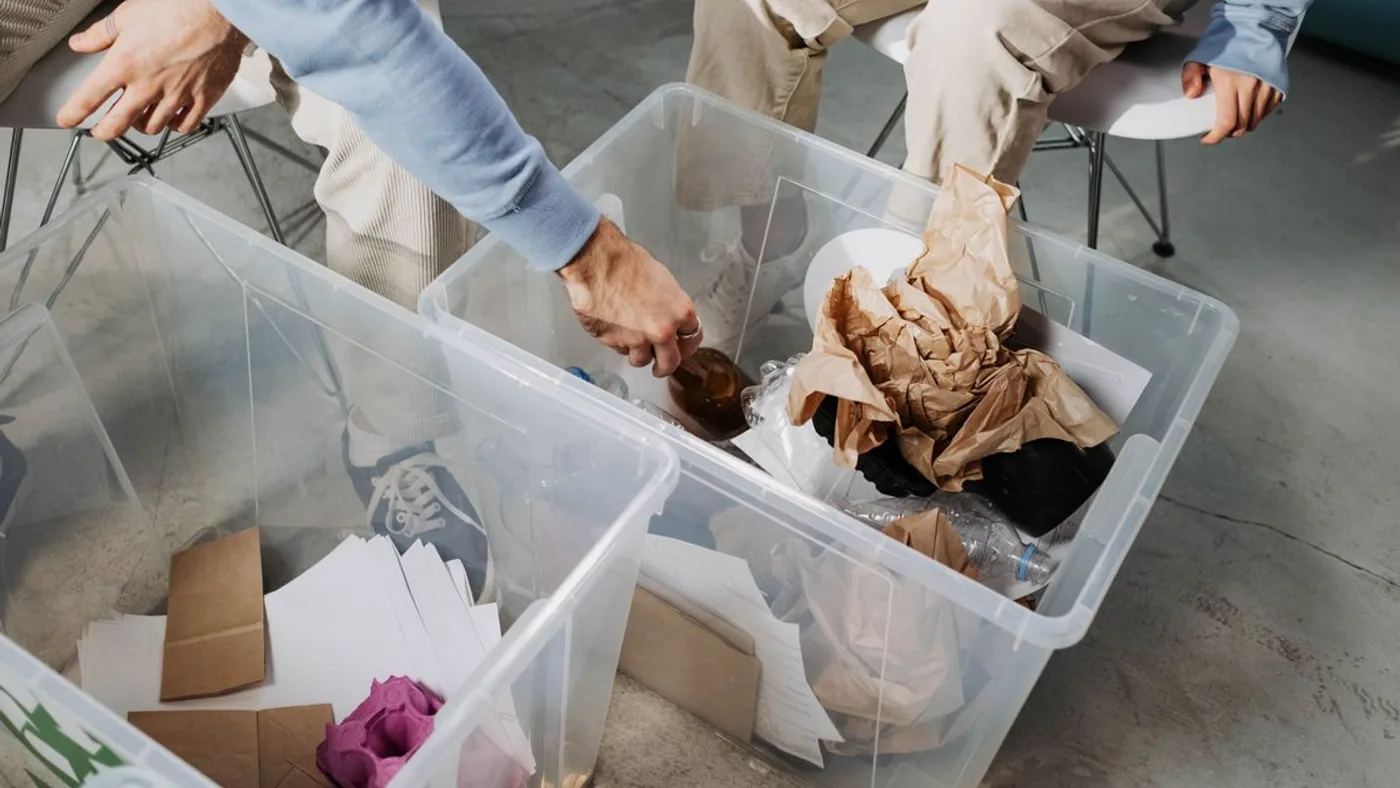
The household challenge is volume. One can weighs little, but a family, office pantry or event creates many of them. Separating from the first can prevents a large mixed bag later and keeps sticky residue away from paper. The general recycling collection guide explains how this metal stream fits alongside paper, glass and plastic.
Beverage cans: The main household aluminium stream. Empty, rinse and dry them before storage.
Aluminium food trays: Potentially recoverable when clean and made from plain foil, but heavily baked-on food can make recovery impractical.
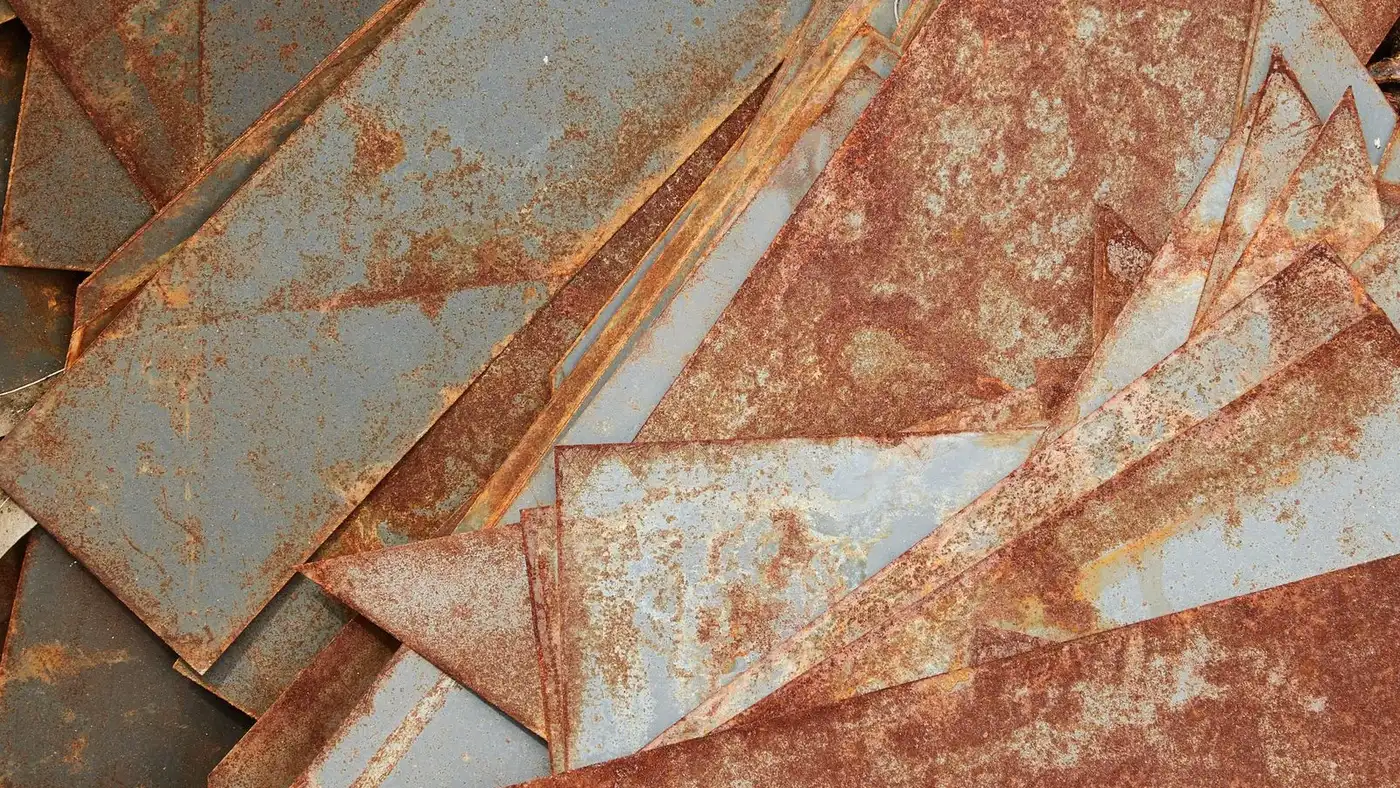
Steel food tins: Recyclable metal, but not aluminium. A magnet sticks to steel, so keep the distinction clear when a collector asks for separated grades.
Aerosol containers: Pressurised packaging is not an ordinary drinks-can item. Keep it out unless the receiving route explicitly accepts empty aerosols.
Identify an Aluminium Can Before Sorting
Most single-use drinks cans are aluminium, but appearance alone is not a perfect test because coated steel can also look silver. A fridge magnet gives a quick answer: it will not stick to aluminium and will stick to ordinary steel. There is no need to scrape the surface or remove the printed coating.
Container
Quick check
How to route it
Aluminium drink can
Light, non-magnetic, pull tab attached
Rinse, dry and place with accepted aluminium
Steel food tin
Magnet sticks to the body
Clean and place with accepted steel or mixed metal
Foil tray
Thin, flexible aluminium with no bonded card
Clean only; exclude if heavily contaminated
Laminated drink pouch
Flexible layers with plastic seams
Not an aluminium-can stream
Aerosol can
Valve and pressure warning remain
Use a route that specifically accepts aerosols
A similar metallic finish does not mean containers belong in the same household recycling category.
Large metal objects belong to a different collection. Bed frames, shelving, appliance shells and outdoor metal are covered in the scrap metal removal guide. A bag of cans should not be mixed with sharp offcuts or heavy scrap that can split it during handling.
Prepare Cans With Minimal Water and Effort
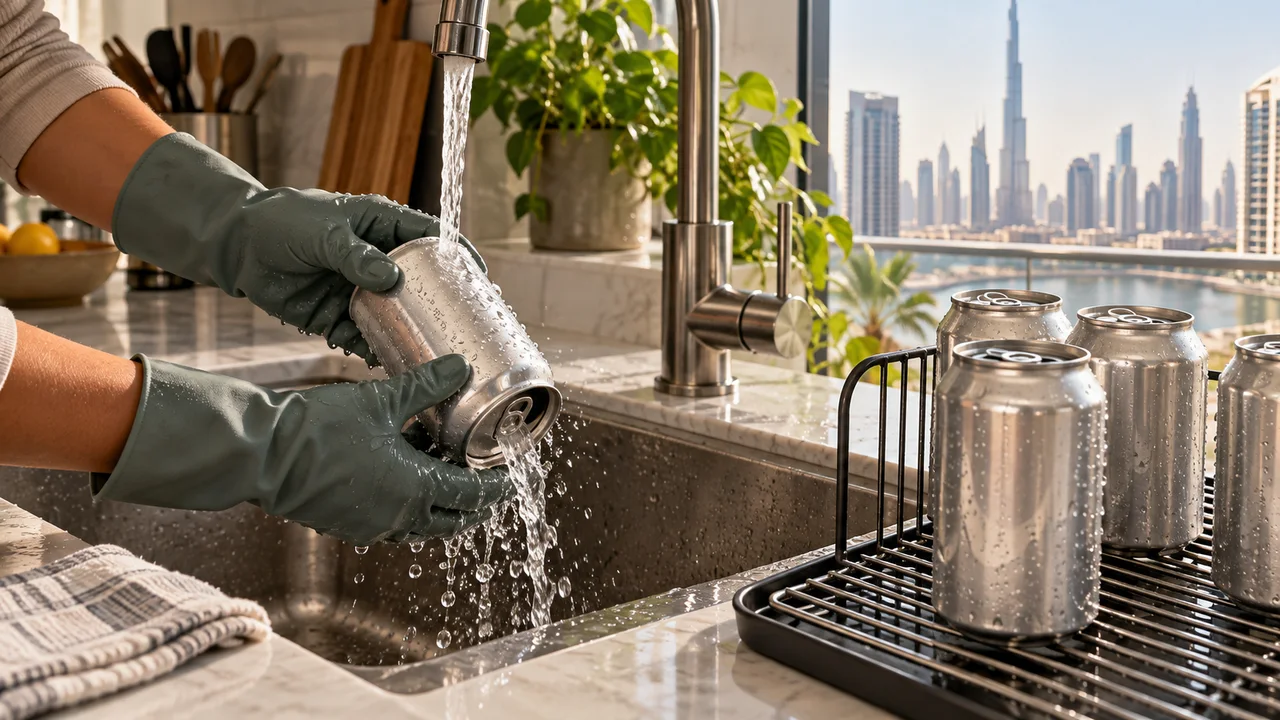
Preparation is about preventing odour and contamination, not polishing metal. Empty the can fully, use a quick rinse or the last of the dishwater, and place it upside down to drain. A can stored wet in a sealed sack attracts odour and can dampen any paper packed nearby.
A short rinse and proper drying are enough; preparation should not consume more water than the recovery justifies.
1Pour every remaining drop into the sink and check that no fruit pieces or straws remain inside.
2Give sugary or milky drink cans a short rinse, preferably with water already used for washing dishes.
3Drain upside down until dry so the storage container does not collect liquid.
4Leave the pull tab attached; a loose tab is too small and easy to lose during sorting.
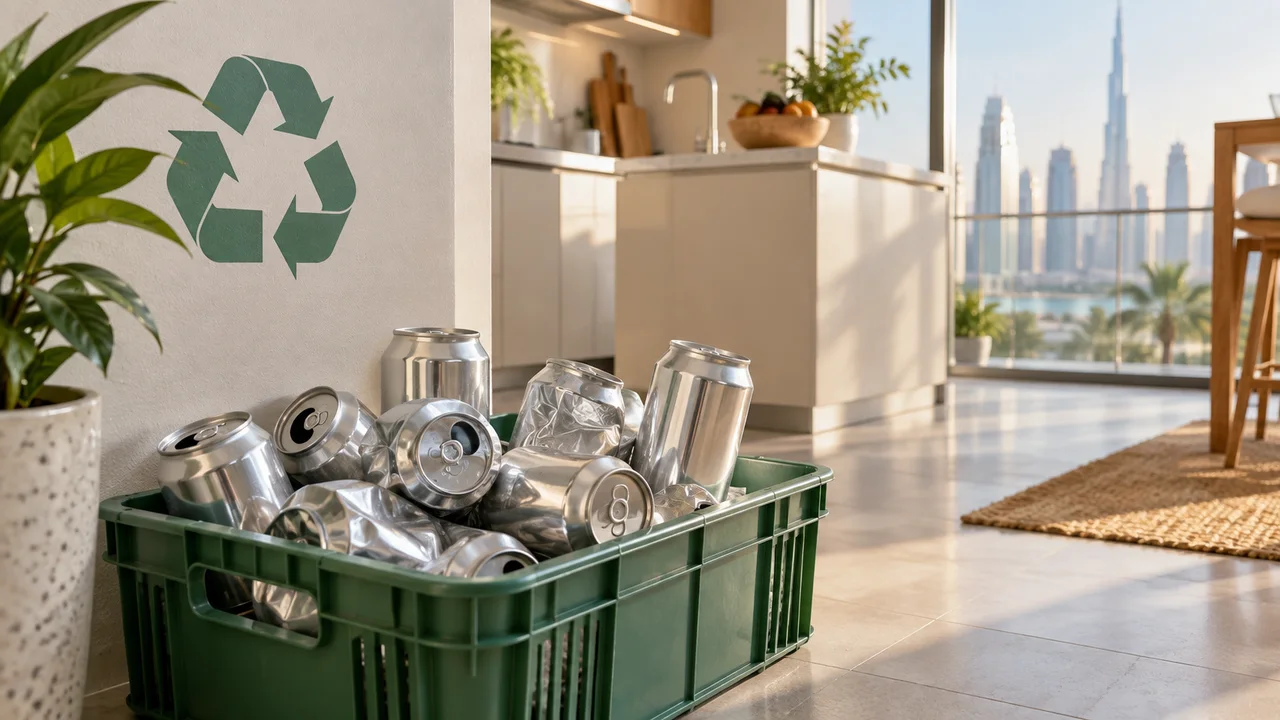
5Place dry cans in a reusable crate or clear bag dedicated to accepted metal packaging.
Should You Crush Aluminium Cans?
Crushing saves space, which helps in a compact apartment and during a large gathering. It is not a universal requirement. Some sorting systems identify containers by shape, while collection routes receiving separated aluminium are comfortable with flattened cans. Follow the instructions for the route you use rather than applying one rule everywhere.
Keep cans intact when they enter a mixed packaging stream that sorts by container shape.
Flatten only after the cans are clean and dry, and only when your receiving route permits it.
Do not crush by hand if an edge is torn or the body is sharply deformed.
Never put glass inside a can or use one as a container for cigarette ends or food scraps.
Do not detach tabs for a separate jar unless a confirmed recipient specifically requests them.
A neat stack is less important than a clean stream. The best household setup is the one people can maintain every day without leaving sticky cans on a counter or filling a balcony with open sacks.
Store Cans Safely in Dubai Homes and Offices
Dry aluminium tolerates Dubai heat better than paper or textiles, but drink residue does not. Store the crate indoors or in a shaded service area, use a lid if pests can reach it, and empty it often enough that the route remains manageable. Never let a collection bag obstruct a corridor, stair or refuse-room door.
Apartment residents in JLT and Downtown Dubai should check whether the building has a dry-recycling room, a shared point or only a general chute. Villa households in Dubai Hills Estate can use a larger lidded crate, but should still protect it from irrigation water and outdoor dust.
What Happens After Aluminium Collection
After collection, metal packaging is separated from contaminants and other materials. Aluminium is compacted, processed into a furnace-ready form, melted and cast into new stock. That stock can return to packaging or become another aluminium product. The can's printed surface and thin internal coating are dealt with during industrial processing, not peeled off at home.
This is why cleanliness and material accuracy matter. Food, liquid and hidden rubbish increase sorting work. A concentrated aluminium group is useful; a black bag containing a few cans among mixed waste is unlikely to receive the same treatment. The comparison of landfill, incineration and recycling explains why keeping recoverable material separate changes its destination.
Plan Collection Around the Volume You Produce
A household may only need the building's existing route. An office pantry, restaurant back room or event can produce enough cans to justify a planned pickup, especially when cardboard and glass are also being separated. Estimate the number of bags or crates, photograph them and confirm the accepted material before collection day.
For a larger mixed clearance, a waste removal service can collect the wider load while keeping identified metal apart. Do not hide loose cans inside opaque general-waste bags; separation at the source gives them their best chance of reaching the metal stream.
Key Takeaways
Aluminium beverage cans are a strong recycling stream because they are mostly one recoverable material.
Empty, rinse and dry cans before storage; washing them until spotless is unnecessary.
Keep pull tabs attached and treat steel tins, foil composites and aerosol containers as separate categories.
Crushing is optional and should follow the receiving route's instructions.
Source separation matters more than the size of the batch because it protects the metal from contamination.
Why Choose Junk Service in Dubai
As a local, fully insured team, Junk Services Dubai makes clearing your space simple — fast pickups, fair upfront pricing and responsible disposal across every Dubai community.
Same-Day Availability
Book today and, where crews are free, we clear it today — with no rush surcharge.
Fair, Upfront Pricing
A flat price agreed before we arrive, based on volume, items and access. No surprises.
Insured, Uniformed Crews
Background-checked teams who do all the lifting and protect your floors, lifts and walls.
Responsible Disposal
We sort for reuse, donation and recycling in line with Dubai Municipality guidance.
Our editorial team is made up of the crews and coordinators who clear homes, villas and offices across Dubai every day. We share practical, first-hand guidance on decluttering, disposal and responsible waste removal in the UAE.
FAQ
Frequently Asked Questions
They need to be empty and free from drink residue. A short rinse is enough, followed by draining until dry. There is no need to scrub the printed coating or use fresh water for a long wash.
Only if your collection route accepts flattened cans. Crushing saves space, but some mixed-container sorting systems work better when packaging keeps its original shape. Ask the building or collector first.
No. Leave each tab attached to the can so the small piece stays with the aluminium stream. Loose tabs are easy to scatter or lose during handling and sorting.
That depends on whether the route accepts mixed metal packaging. A magnet sticks to steel but not aluminium. If the collector asks for separate grades, use that quick test and keep them apart.
Plain foil trays may be accepted when clean, but bonded card, plastic film and baked-on food can prevent recovery. Confirm the route rather than assuming every silver-coloured tray belongs with cans.
Not unless the receiving route specifically accepts aerosols. Their valves and pressure history make them a different packaging category even when the container appears empty.
Place a dedicated container beside the point where drinks are consumed, keep liquids and food out, assign someone to empty it before overflow, and confirm the collection route before launching the scheme.
Final Thoughts
Aluminium cans do not need a complicated household process. Their recovery depends on a short chain of ordinary habits: empty, rinse, dry, separate and send them through an accepting route.
Build the routine around the volume your home or workplace produces. A small clean crate collected regularly is more useful than a large contaminated bag saved for months.
Arrange a Collection for a Larger Sorted Load
Send photographs of the bags or crates, your location and a list of the other materials in the load. We will confirm the collection scope, timing and upfront price before dispatch.
What a recycling collection covers in Dubai, which materials leave as separate streams, how to prepare them, and when a booked pickup beats carrying it all downstairs.
Old bed frames, shelving, BBQs and appliances are all scrap metal. Here's what a Dubai crew collects, how ferrous and non-ferrous metal differ, and where it ends up.

 Guides