 Guides
 3 min read
Where Does Your Junk Go? Recycling & Donation in Dubai Explained
What happens to your furniture, appliances and clutter after collection in Dubai, from sorting and donation to recycling and responsible disposal.
Read Article
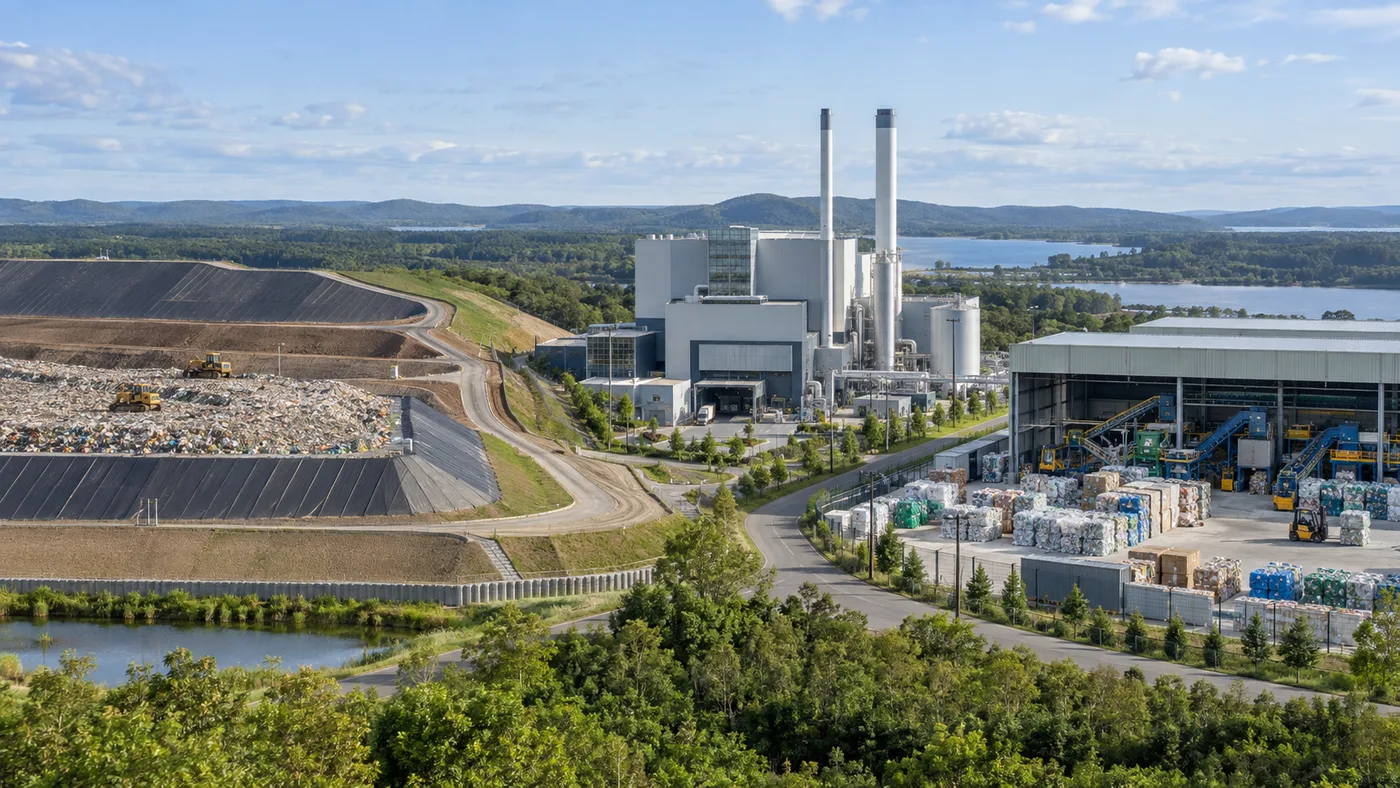
Landfill, incineration and recycling are different treatment routes, not interchangeable labels for where rubbish goes. Each accepts a different kind of input, produces a different output and leaves a different residual problem. This comparison explains those trade-offs and the practical sorting choices a Dubai household or business can control before collection.
The comparison starts with the incoming material. Landfill can receive residue that has no practical use, incineration needs material suitable for controlled combustion, and recycling needs a recoverable material stream clean enough to process. A route that is suitable for one load may be a poor fit for another.
| Route | Main purpose | Useful output | Residual issue |
|---|---|---|---|
| Landfill | Contain waste that cannot be recovered or treated elsewhere | Limited material recovery; some sites capture landfill gas | Long-term land use, leachate control and gas management |
| Incineration or waste-to-energy | Reduce the volume of suitable residual waste through controlled combustion | Heat or electricity where energy recovery is built into the plant | Bottom ash, air-pollution controls and concentrated residues still need management |
| Recycling | Recover clean paper, metal, glass and eligible plastics as manufacturing feedstock | Material that can replace part of the demand for virgin resources | Contamination, rejected material and processing losses remain |
The exact destination of a collected load depends on local infrastructure, contracts, contamination and the material itself. This article explains the treatment methods rather than claiming that every Dubai load follows one fixed citywide path.
An engineered landfill places waste in controlled cells designed to separate it from surrounding soil and water. Loads are compacted and covered, while drainage and gas systems manage what the buried material produces over time. This is different from open dumping, which lacks those controls.
Landfill remains useful for residue that cannot be recycled or burned safely, including some contaminated and mixed materials. Its main weakness is permanence. The material value is mostly lost, the site occupies land for decades, and organic waste can produce methane as it breaks down without oxygen.
Incineration uses high-temperature controlled combustion to reduce the mass and volume of suitable waste. A waste-to-energy plant also captures part of the released heat to produce steam, electricity or both. The energy is an output of treatment, not proof that every material was a good fuel.
The process still leaves bottom ash and smaller quantities of residues from air-cleaning systems. Metals may be recovered from bottom ash, while the remaining material needs its own managed destination. Plants also depend on tight combustion and emissions controls; burning mixed waste in the open is not incineration and should never be treated as an equivalent.
Recycling keeps a material in circulation by sorting, cleaning and processing it into feedstock for another product. Metals can be remelted, paper fibres can be pulped, glass can be crushed and remelted, and some plastics can be washed and reprocessed. Each stream has its own quality limits.
Recycling fails when the material cannot be identified, separated or cleaned at a sensible effort. Food residue damages paper, mixed laminates are hard to split, and small pieces can be lost in sorting equipment. A recycling symbol on a package does not guarantee that the local receiving route accepts it.
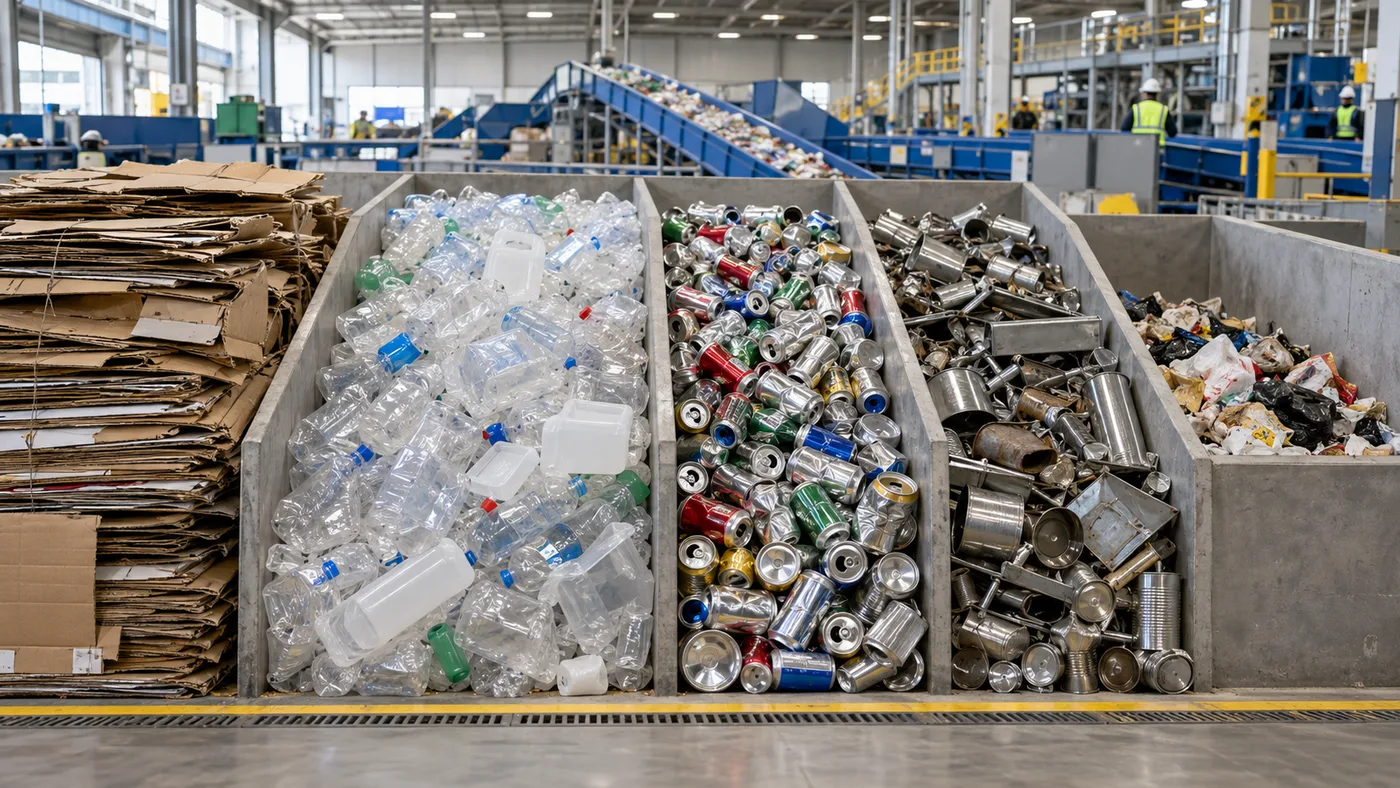
For a household, the useful rule is to keep dry material dry and follow the streams the building or collector confirms. Our home waste-segregation guide explains how to make that routine work in apartments and villas.
Recycling is the preferred route for clean recoverable material, but it is not a universal answer. Products combine adhesives, coatings, foams, wires, glass and several plastics in ways that can cost more material and energy to separate than they recover. Contamination can also turn a recyclable object into residue.
That is why treatment systems use several routes together. Recycling removes useful material, controlled thermal treatment can reduce suitable residue and recover energy, and landfill contains what remains. The environmental question is not which single route wins; it is how little valuable material reaches the final two routes.
| Material or item | Preferred first decision | Why it may become residue |
|---|---|---|
| Clean cardboard | Keep dry and recycle | Food, oil or water contamination damages the fibres |
| Steel furniture frame | Reuse the item or separate the metal | Attached composite panels and upholstery complicate separation |
| Working appliance | Reuse, resell or donate | Damage, missing parts or unsafe condition removes the reuse option |
| Mixed food packaging | Follow the confirmed local stream | Layers and food residue can prevent material recovery |
| Broken electronic device | Use an electronics route | Data, batteries and mixed components need specialist handling |
The most useful comparison happens before waste reaches any facility. Preventing an unnecessary purchase avoids every downstream impact. Reusing a chair keeps its whole manufactured value, while recycling only recovers some of its materials after transport and processing.
The hierarchy is not a claim that every item can reach the top. It is a decision sequence. When one route is unavailable, record the reason and move to the next realistic option rather than describing an uncertain outcome as recycling.
Residents and businesses do not choose a city's treatment infrastructure, but they do control condition, separation and the questions asked before collection. In Dubai towers, confirm what the bin room accepts with building management. In villa communities, use the community's current instructions and keep bulky items outside the regular household stream.
For a large home or office load, professional waste removal in Dubai can handle the lifting and agreed separation around the property's access rules. The honest result depends as much on what was kept clean and identifiable before collection as on what happens afterward.
As a local, fully insured team, Junk Services Dubai makes clearing your space simple — fast pickups, fair upfront pricing and responsible disposal across every Dubai community.
Book today and, where crews are free, we clear it today — with no rush surcharge.
A flat price agreed before we arrive, based on volume, items and access. No surprises.
Background-checked teams who do all the lifting and protect your floors, lifts and walls.
We sort for reuse, donation and recycling in line with Dubai Municipality guidance.
Written by
The Junk Services Dubai Team
Junk Removal Specialists
Our editorial team is made up of the crews and coordinators who clear homes, villas and offices across Dubai every day. We share practical, first-hand guidance on decluttering, disposal and responsible waste removal in the UAE.
It depends on the waste and the plant. Controlled waste-to-energy can reduce residual volume and recover energy, while landfill provides long-term containment; both still leave material that needs management.
No. Incineration reduces waste volume and changes its form, but bottom ash and residues from air-cleaning systems remain and need controlled handling.
Plastics use different resins, colours, coatings and multi-layer combinations, and receiving routes accept only certain forms. Food residue and mixed materials can also make separation impractical.
No. An engineered landfill uses controlled cells, cover, drainage and gas management, while open dumping lacks those containment systems.
Recoverable metals and glass should be separated, while batteries, electronics, pressurised containers and hazardous products need their own routes. The accepted input depends on the receiving facility.
Preventing waste has the highest priority, followed by reusing the whole item. Recycling comes after those steps because it preserves material rather than the complete product.
Ask building management, the community operator or the private collector which broad streams are used for your address. Avoid assuming that a recyclable-looking item reaches recycling unless the receiving route accepts it.
Landfill, incineration and recycling are parts of one treatment system, not three versions of the same destination. The strongest result comes from sending each material to the route it can use and keeping preventable waste out of the system altogether.
Keep reusable items intact, keep accepted recyclables clean and isolate special-route items before collection. Our guide to what happens to junk after collection explains how those destination decisions apply to a mixed household or business clear-out.
Send photographs of the items, the material groups already separated and the property's access details. We will confirm what the collection can include and provide a fixed price before dispatch.
WhatsApp Us the load photographs, Call Now to discuss special-route items, or Arrange Collection for the approved material.
GuidesWhat happens to your furniture, appliances and clutter after collection in Dubai, from sorting and donation to recycling and responsible disposal.
Read Article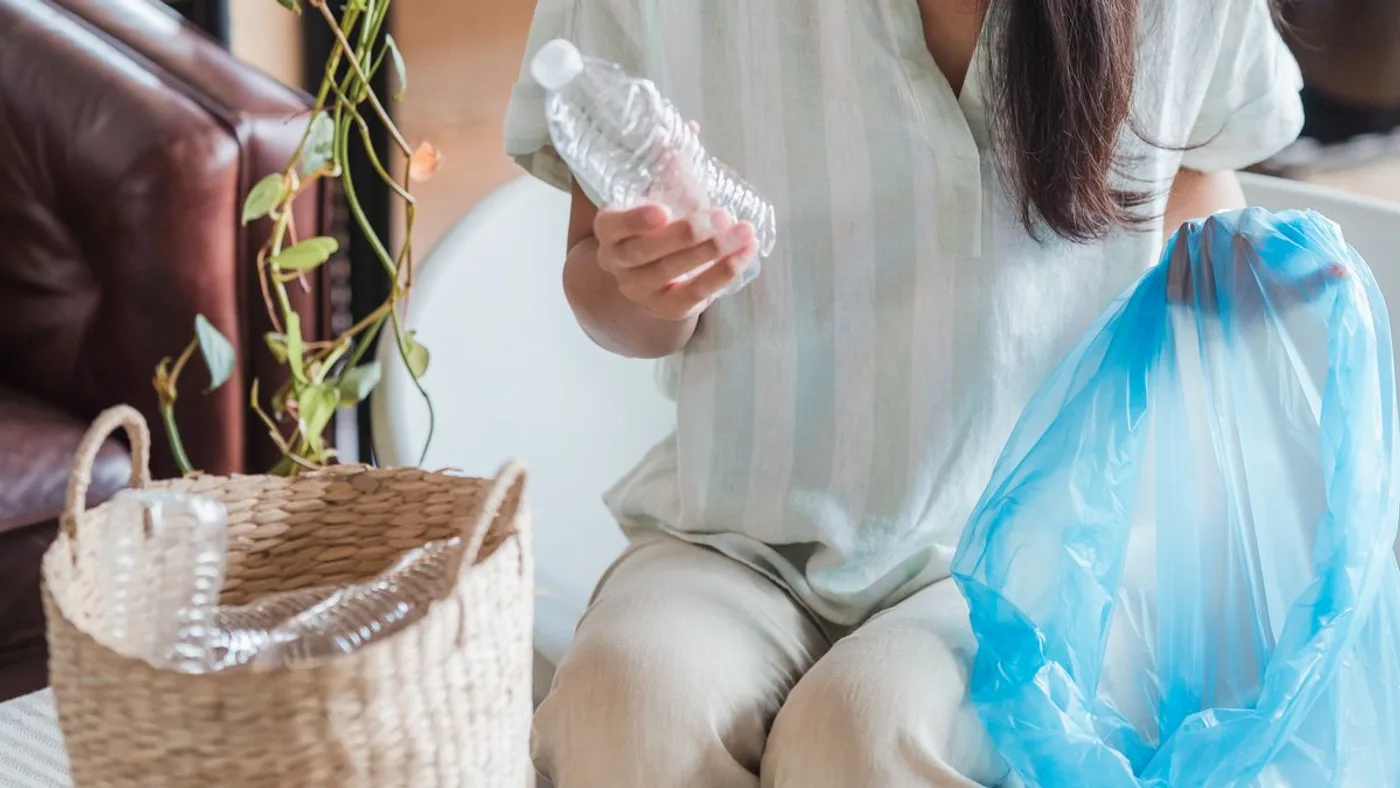 Guides
A household guide to sorting waste in Dubai: the four streams worth separating, where the containers physically go in an apartment and a villa, and the rinse habit the summer heat makes essential.
Read Article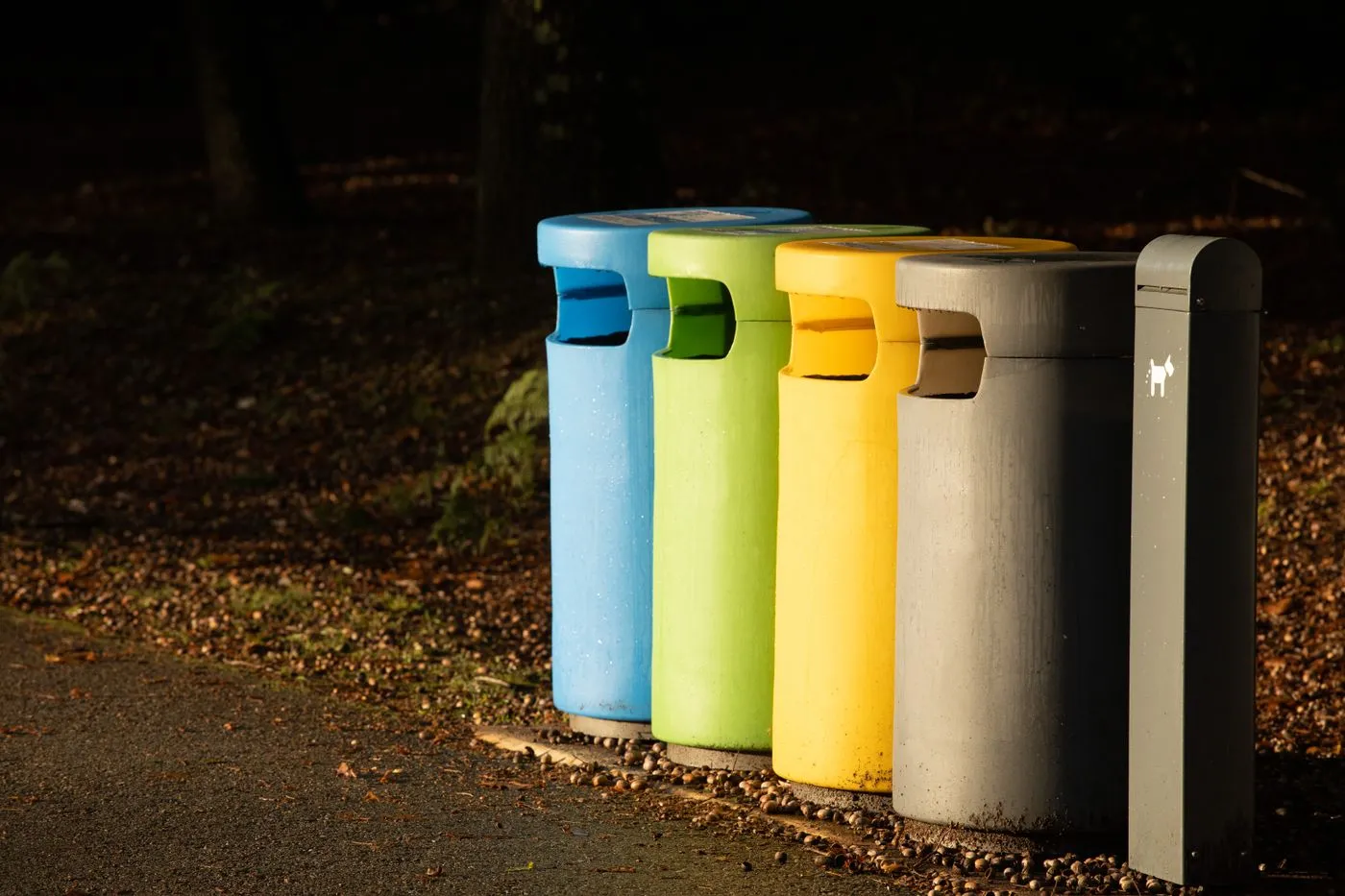 Guides
Waste rules in Dubai arrive in three layers: the emirate, your community, and your building. Here is what each one governs and what never belongs in a bin.
Read Article