Junk Removal Safety in Dubai: Manual Handling Before and During a Pickup
The Junk Services Dubai Team 6 min read
Junk removal safety in Dubai comes down to one decision: which items you move yourself and which you leave for the crew. This guide covers what to leave where it stands, how to lift and stage what you do move, how a professional crew handles the heavy pieces, and the local risks of heat, stairs and tight buildings.
Manual handling is any lifting, carrying, pushing, pulling or lowering of a load by hand. On a junk removal job it covers everything from a bag of old clothes to a double-door fridge, and the risk grows with weight, awkward shape and distance.
Most injuries around a collection happen before the crew arrives. A resident decides to save time by dragging a wardrobe into the hallway or carrying a mattress down to the lobby, and does it alone. Back strain, trapped fingers and a dropped item on a foot are the usual results, along with a gouged floor or a dented lift wall.
The price of a collection already covers the lifting. Moving heavy items yourself rarely makes the job faster, and it moves the risk from a trained team with equipment to one person with none.
What to Leave Where It Stands
Some items should not be touched until the crew is in the room. The rule of thumb is that anything you cannot lift comfortably and hold close to your body stays where it is.
Large appliances: Fridges, washing machines and dryers are heavy, top-heavy and often still connected to water or power. A washing machine also carries a concrete counterweight that makes it lurch when tilted.
Tall furniture: Wardrobes, bookcases and display units can tip forward as soon as they are moved, especially once the doors swing open. Empty them, then leave them standing.
Glass and mirrors: Glass table tops, mirrored doors and large wall mirrors can crack under their own weight when carried flat. Breakage at head height is where the worst cuts happen.
Mattresses: A mattress has no rigid shape to grip, so it folds and slides as you carry it. On stairs or in a lift it is a two-person job at minimum.
Wall-fixed items: Wall-mounted TVs, shelving and mirrors should come down with two people and the right tools, not from a chair or a stepladder.
What you can usefully do instead is clear around these items. Empty drawers and wardrobes, take down loose shelves, and move small objects off the route so the crew can reach the heavy pieces directly.
If You Move Something Yourself, Lift It This Way
Bags, boxes and small furniture are fine to stage yourself if you lift them properly. The same short routine works for every item.
1Walk the route first and clear anything you could trip over, including rugs, cables and shoes.
2Test the weight by tipping one corner before you commit to the lift.
3Stand close to the item with your feet apart, bend at the knees and keep your back straight.
4Grip firmly, lift with your legs and hold the load close to your waist.
5Turn by moving your feet, never by twisting at the waist while holding the load.
6Put the item down the same way you picked it up, knees bent and back straight.
Pack boxes so each one can be lifted comfortably. Books and files go in small boxes, and light items like bedding go in large ones. A box that sags or bulges when lifted should be split before anyone carries it.
Stage everything in one room near the exit, not in the corridor or against the front door. A corridor in a Dubai tower is a shared escape route, and a pile of boxes in it can draw a complaint from building management.
How a Professional Crew Handles Heavy Items
A crew works to a routine rather than improvising. Before anything moves, the lead walks the route from the room to the vehicle and decides the order, the number of people on each item, and which pieces need dismantling first.
Team lifts for anything heavy or awkward, with one person calling each lift and each set-down.
Hand trucks and furniture dollies for appliances and stacked boxes on flat ground.
Lifting straps and moving blankets for wardrobes, sofas and appliances.
Dismantling beds, wardrobes and large desks so each part is a manageable size.
Wrapping glass and mirrors before they are carried, not after.
A hand truck takes the weight off the body on flat ground. On stairs it is replaced by a team lift.
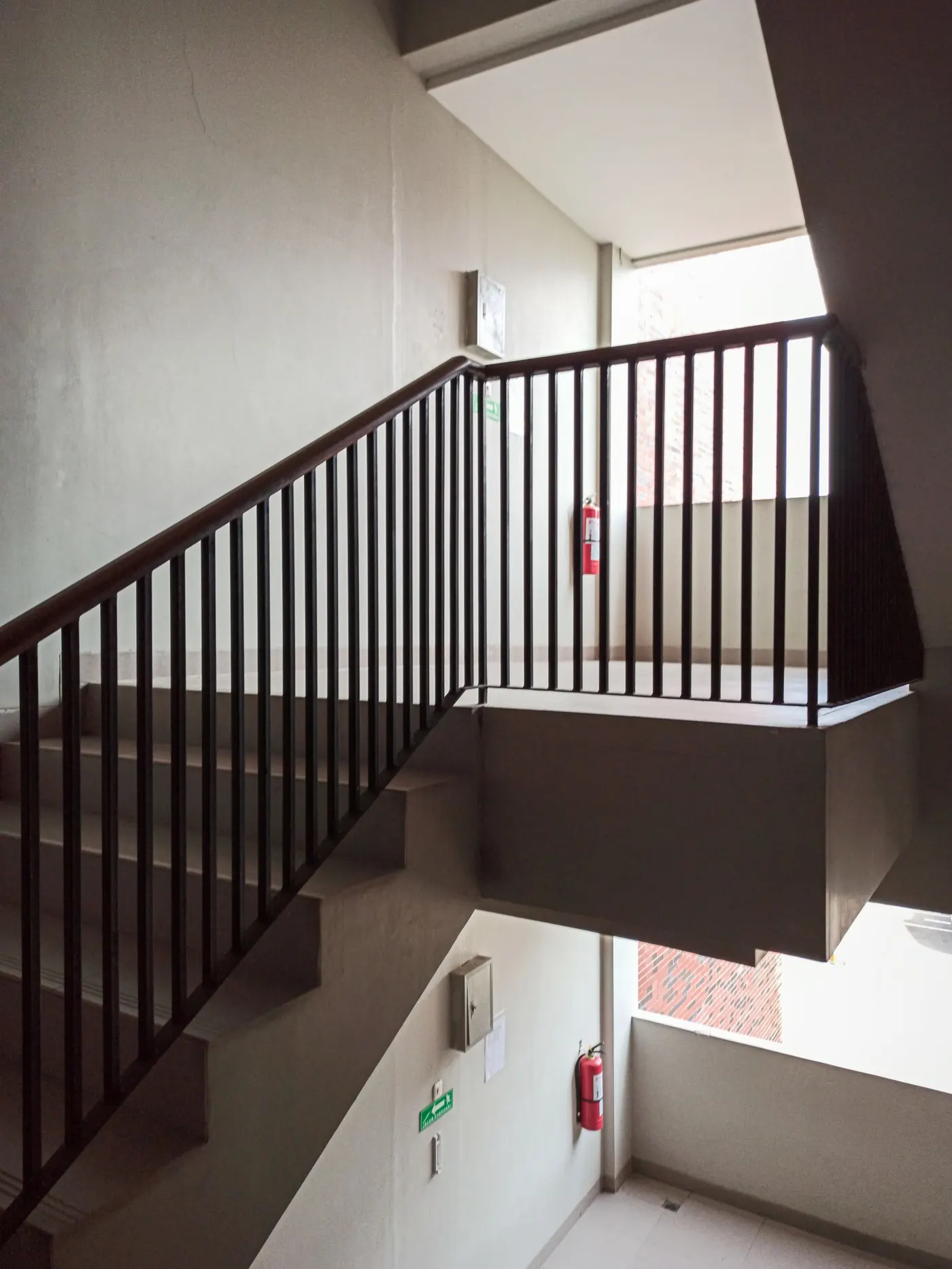
Stairs change the method entirely. The guide to heavy furniture removal without a lift explains how a crew carries items down a staircase and why the heaviest person always takes the lower end.
Heat, Stairs and Tight Buildings: The Dubai Risks
Three local conditions make manual handling harder in Dubai than a generic guide would suggest. Each one has a practical fix.
Situation
Why it adds risk
What helps
Loading outdoors between May and September
Heat and humidity tire the body fast, and tired people drop things
Book an early morning slot and keep cold water at the door
Villa or low-rise with internal stairs
Weight shifts downhill onto whoever is below, and turns are tight
Leave stair carries to the crew and dismantle large pieces first
Tower with a busy service lift
Items get rushed or propped in corridors while waiting
Book the lift slot in advance so the carry is continuous
Polished marble or tile floors
Wet or dusty stone is slippery underfoot
Sweep and dry the route, and wear closed shoes with grip
Older apartments with narrow corridors
Long items pivot and trap hands against walls
Measure door widths and remove doors or legs before the carry
Most handling risks in Dubai homes come from the building and the weather rather than the item itself.
Floors and walls need protecting as much as people do. The guide to protecting floors during furniture removal covers what each floor type needs before a heavy item crosses it.
Keeping Your Home Safe on Collection Day
On the day itself, your role is to keep the route clear and the household out of the way. A crew moves faster and more safely when nobody steps into the path of a load.
Keep children and pets in a closed room away from the route until the last item has left.
Prop the front door open securely so nobody has to hold it with a load in their hands.
Point out anything fragile that stays behind, such as a glass partition or a floor lamp near the route.
Switch off and unplug appliances the night before, and defrost a fridge or freezer so it does not leak.
Let the crew carry the items. Help that is not part of their routine is more likely to cause a slip than prevent one.
If you are not sure whether an item is safe to move at all, ask when you send your photos. The furniture removal service covers dismantling and carrying bulky pieces, and the guide to junk removal insurance and liability explains what cover a professional operator should carry for the people doing the work.
Key Takeaways
Most junk removal injuries happen when residents move heavy items alone before the crew arrives.
Leave appliances, tall furniture, glass, mattresses and wall-fixed items where they stand.
Lift what you do move with bent knees and a straight back, holding the load close and never twisting.
Stage items in one room near the exit, not in shared corridors or against the front door.
Book early morning slots between May and September, and leave stair carries to the crew.
Keep children and pets in a closed room until the collection is finished.
Why Choose Junk Service in Dubai
As a local, fully insured team, Junk Services Dubai makes clearing your space simple — fast pickups, fair upfront pricing and responsible disposal across every Dubai community.
Same-Day Availability
Book today and, where crews are free, we clear it today — with no rush surcharge.
Fair, Upfront Pricing
A flat price agreed before we arrive, based on volume, items and access. No surprises.
Insured, Uniformed Crews
Background-checked teams who do all the lifting and protect your floors, lifts and walls.
Responsible Disposal
We sort for reuse, donation and recycling in line with Dubai Municipality guidance.
Our editorial team is made up of the crews and coordinators who clear homes, villas and offices across Dubai every day. We share practical, first-hand guidance on decluttering, disposal and responsible waste removal in the UAE.
FAQ
Frequently Asked Questions
Only if it is light enough to lift comfortably on your own. Heavy, tall or glass items are safer left where they stand, and the crew's price already covers carrying them out.
Stand close with your feet apart, bend your knees, keep your back straight and lift with your legs while holding the box against your body. Turn with your feet rather than twisting, and split any box that sags when lifted.
It is risky in the middle of the day. Between May and September, heavy outdoor carrying is best done early in the morning, with cold water on hand and regular breaks.
If you cannot lift it comfortably while holding it close to your body, or you cannot see over it once it is lifted, leave it for the crew. Tipping one corner first is a quick way to test the weight before committing to the lift.
Yes. A full wardrobe is much heavier and its contents shift during the carry, which makes it unstable and more likely to tip. Empty it and remove loose shelves before the crew arrives.
Keep them in a closed room away from the route until the last item has gone. Doors are propped open and heavy items are moving, so a child or pet in the corridor is a real hazard.
Final Thoughts
Safe junk removal is mostly about restraint. Clear around the heavy items, stage the light ones properly, keep the household out of the route and let the people with the equipment and the routine do the lifting.
Book a Pickup and Leave the Heavy Lifting to Us
Contact Us with photos of the items and your access details, including stairs, lifts and parking, and we will confirm a flat price and send a crew equipped for the job.
No lift in the building, or a service lift that cannot take the item. What a stair carry involves, how to measure the route before you book, and which pieces have to come apart to leave at all.
Insurance is the part of a junk removal booking nobody checks until something gets scratched. What cover means in practice, what Dubai buildings ask contractors for, and the five minutes of checking that prevents most disputes.
Clearing it yourself in Dubai is less about whether you can lift it and more about where it can legitimately go. What the DIY route requires, what a crew brings, and when each is the right call.
 Guides