Office decluttering for productivity in Dubai is a controlled removal of the paper, duplicate equipment, dead cables and surplus furniture that interrupt everyday work. It is not a full office clearance because the business stays open and active workstations stay in place. This guide shows how to sort by use and ownership, work zone by zone, protect data and leased assets, and arrange one collection without creating office downtime.
What Office Decluttering Changes, and What It Does Not
A useful office declutter reduces search time, blocked storage and visual noise around work that still needs to happen. It removes obsolete stock, duplicate supplies, abandoned personal items, broken furniture and disconnected equipment. It does not redesign the fit-out, move teams between floors or empty the unit for a landlord.
That boundary matters in Dubai business towers because a removal visit may need a freight-lift slot, loading-bay booking and contractor access even when only one corner of the floor is changing. Keep the project small enough to finish in stages, then gather the outgoing material for one booked movement rather than sending bags through shared passenger areas throughout the week.
Keep active: Equipment, records and supplies used in current work. Leave them connected and inside the team's working zone.
Relocate: Useful items stored in the wrong place. Assign the destination before lifting anything from a desk or cupboard.
Pass on: Serviceable furniture and surplus supplies with a confirmed staff, resale or donation route.
Recycle: Paper, cardboard, metals, cables and approved e-waste separated by material and data risk.
Remove: Broken, obsolete or unclaimed contents with no practical use and no reason to keep occupying paid space.
Start With Ownership, Not With the Nearest Pile
The fastest way to create a dispute is to clear an item nobody has authority to release. A monitor may belong to the company, a printer may be leased, a chair may belong to the building's fitted inventory, and a box may hold records another department must retain. Ownership is the first sorting field.
1Name one project owner who can pause or approve removal across departments.
2Mark leased, rented and building-owned items before the first physical sorting session.
3Ask each team to claim active equipment and personal contents by a firm internal date.
4Send uncertain electronics to IT and uncertain records to the person who owns retention decisions.
5Group approved outgoing items in one secure staging zone away from daily work.
6Photograph the final staging zone and use it to size the crew, vehicle and loading window.
For a small company where one person covers facilities, IT and operations, our small-business office clearance guide shows how those responsibilities combine. The office-decluttering version keeps the same ownership discipline without taking the business to handover condition.
Declutter the Office in Five Working Zones
Work from low-disruption areas toward active desks. Shared stores hold the largest volume and the fewest live tasks, while an employee workstation holds the smallest volume and the most immediate risk. The order below keeps normal work available for as long as possible.
Zone
Decide first
Common outgoing material
Store and archive room
Record ownership and retention
Expired supplies, duplicate furniture, empty cartons and approved paper
IT cupboard
Data status, lease status and working condition
Cables, adapters, dead peripherals, obsolete hardware and packaging
Pantry and print area
Which shared equipment still works and who owns it
Duplicate mugs, broken small appliances, empty consumables and old printers
Meeting and reception areas
Furniture use, guest needs and safety routes
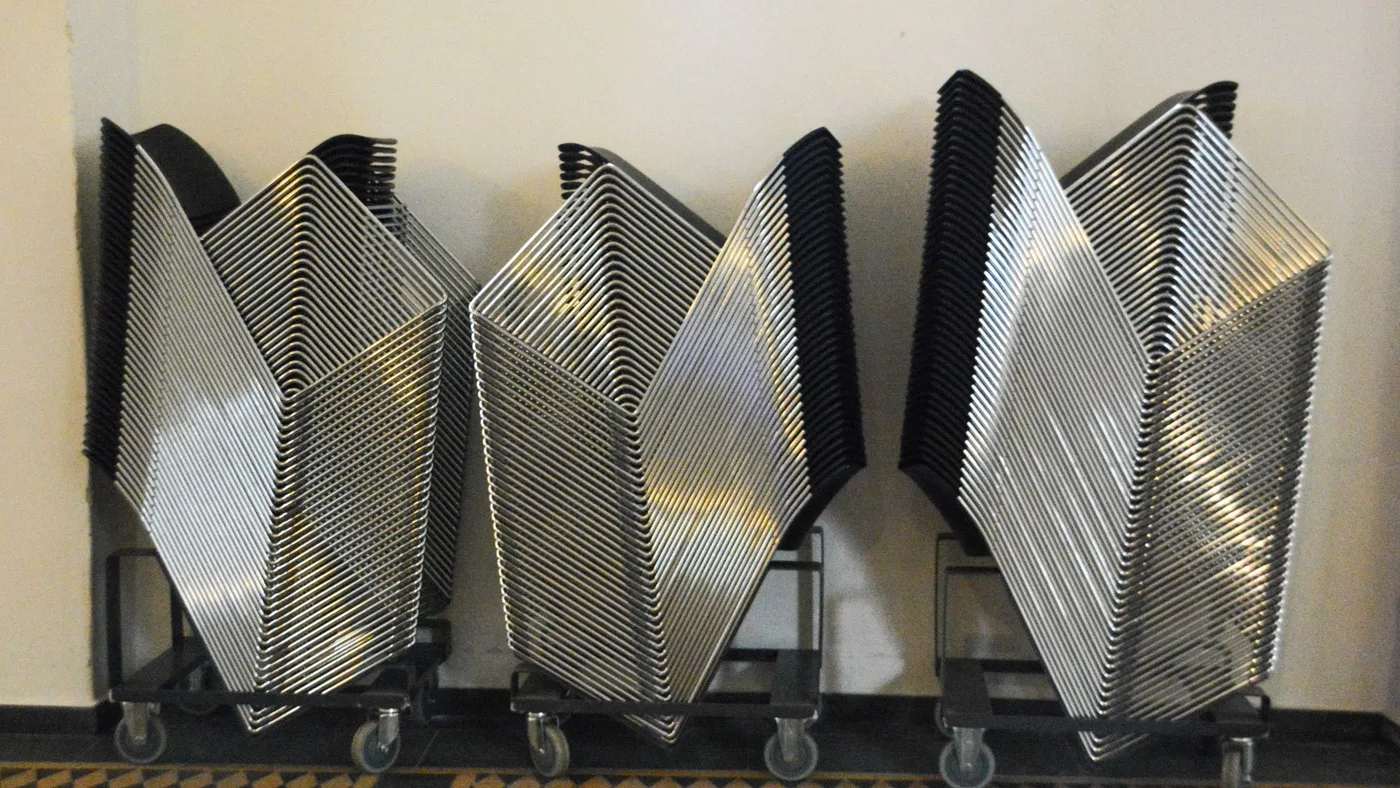
Surplus chairs, display material, old signage stands and damaged tables
Active workstations
Employee claim and current project use
Loose paper, dead cables, spare stationery and abandoned personal items
Starting away from active desks creates storage space and tests the decision rules before employee work is touched.
Do one zone to completion before opening the next. Half-sorted material spread across a floor creates more friction than the clutter it replaced and makes the removal volume impossible to judge.
Protect Data, Records and Leased Equipment
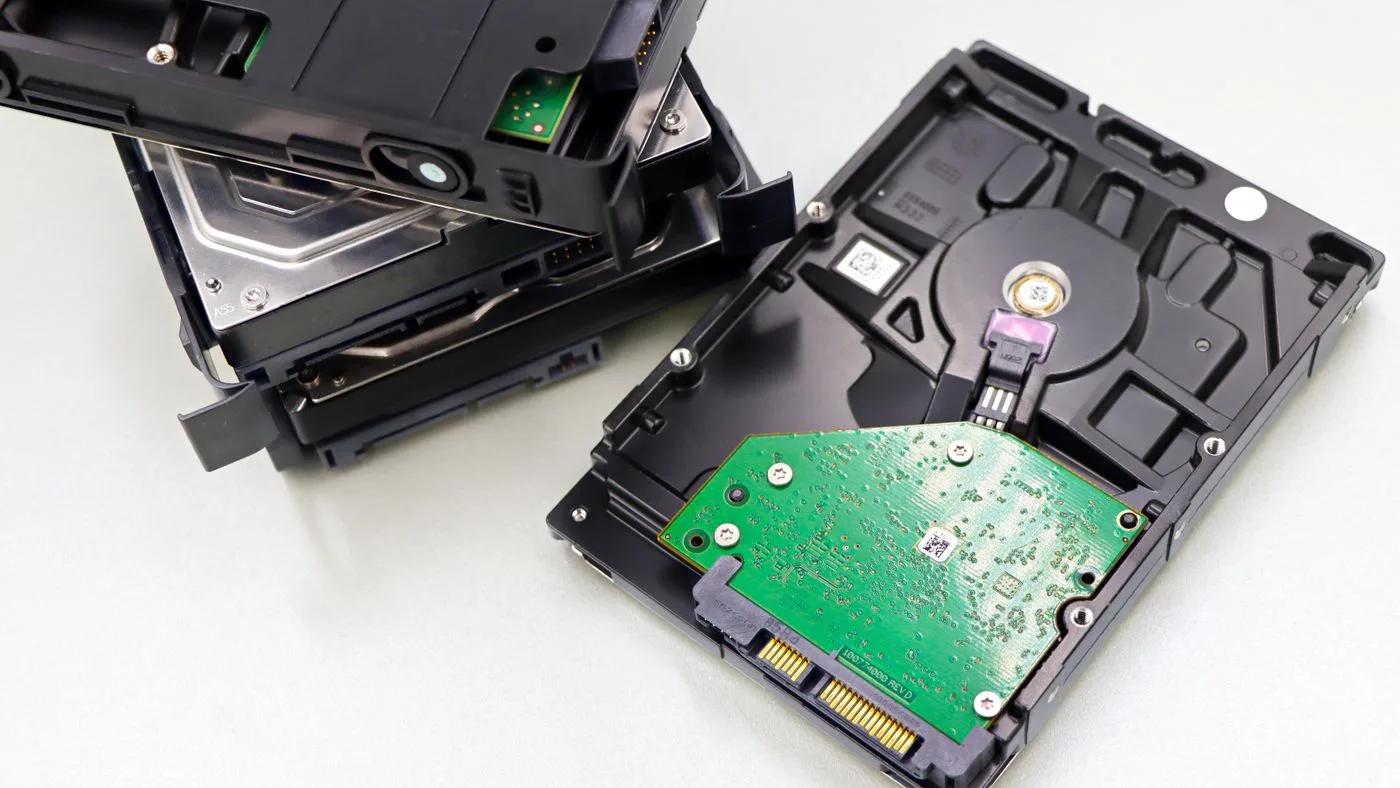
No data-bearing device enters a general outgoing pile. Computers, drives, phones, printers with storage, network equipment and removable media go through the company's own IT sign-off first. A collection crew can record what left, but it does not decide retention or perform certified data destruction.
Separate devices that contain or may contain data from cables and non-data peripherals.
Record asset tags and serial numbers before equipment leaves its assigned desk or cupboard.
Confirm whether leased equipment must be returned with power supplies, stands or packaging.
Keep paper records in locked containers until the authorised owner releases them.
Use a specialist process where the organisation needs certified data destruction or a destruction record.
A business that remains open should split decisions from movement. Teams can claim and sort during short internal sessions, while the physical collection happens after the staging zone is complete. This keeps carts, boxes and lifting activity away from customer meetings and active work periods.
1Set the internal claim date before announcing the collection date.
2Clear shared stores first and use the freed space as the outgoing staging zone.
3Finish data and ownership checks before moving electronics into that zone.
4Book building access for an evening, weekend or other low-traffic window where available.
5Keep fire routes, exits, corridors and lift lobbies clear throughout the sorting period.
6Remove the complete staged load in one visit, then return the floor to normal use before the next work period.
Offices in Business Bay, JLT and DIFC often run contractor and freight-lift access through building management. Ask for the permitted movement window before setting the internal deadline, since the building calendar is the part the office cannot change.
Plan One Responsible Collection for the Outgoing Material
Once the staging zone is approved, photograph it by material and by size. Paper and flattened cardboard can travel as a clean stream. Cables and small electronics stay separate. Furniture is assessed for reuse, donation, material recovery or disposal according to condition rather than being broken up at the desks.
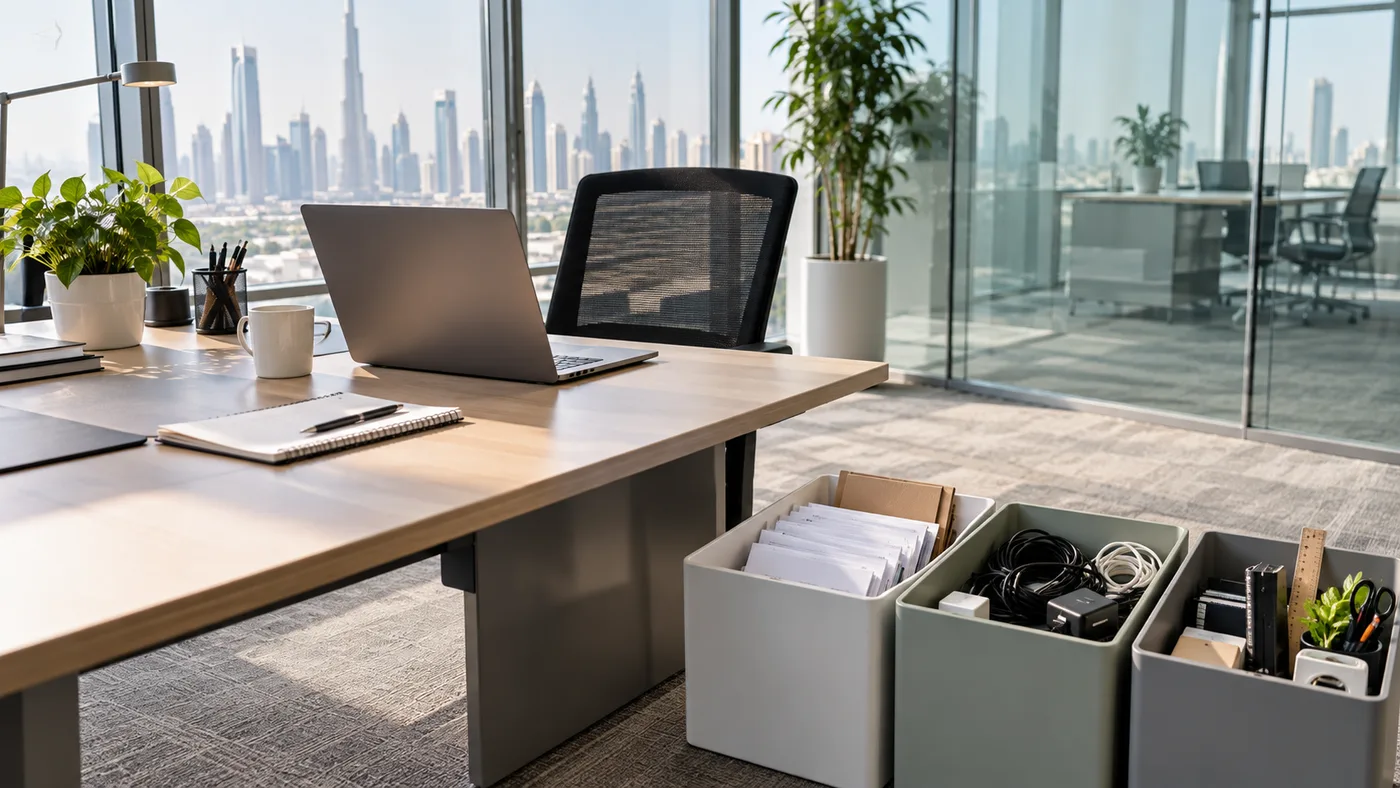
Keep the active workstation intact and stage approved paper, cables, electronics and reusable supplies as separate outgoing streams.
Our guide to sustainable office furniture disposal explains how desks, task chairs and storage units split by material. Junk Services Dubai can collect the approved outgoing load, but fixed partitions, hardwired systems and alterations to the office fabric remain outside the service.
Keep the Office Clear After the Project
Clutter returns where ownership and capacity are vague. Give shared cupboards a named owner, limit each supply type to the space allocated to it, and create a short route for broken equipment so it does not settle beside the printer for six months. A full room should trigger a decision, not another shelf.
Add an owner and review date to every shared store, print area and IT cupboard.
Keep one marked shelf for equipment awaiting an IT or facilities decision, with a weekly cut-off.
Remove delivery cartons as they arrive rather than saving them for an annual clear-out.
Review unclaimed desk contents when staff leave, before the workstation passes to somebody else.
Schedule a small collection when the approved outgoing zone reaches capacity instead of opening a second zone.
If the business is leaving the unit rather than continuing in it, the scope has changed. Use a planned office clearance Dubai instead, with landlord handback, every workstation and the final floor condition included.
Key Takeaways
Office decluttering removes friction from a working floor; it does not empty the property for handover.
Ownership, lease status and data risk are decided before items are sorted by material or destination.
Start with shared stores and IT cupboards, then finish at active employee workstations.
Separate internal decision sessions from the physical collection to protect normal work.
Data-bearing devices and records need company sign-off before a removal crew touches them.
Stage approved outgoing material in one secure zone and collect it in a low-traffic building window.
Why Choose Junk Service in Dubai
As a local, fully insured team, Junk Services Dubai makes clearing your space simple — fast pickups, fair upfront pricing and responsible disposal across every Dubai community.
Same-Day Availability
Book today and, where crews are free, we clear it today — with no rush surcharge.
Fair, Upfront Pricing
A flat price agreed before we arrive, based on volume, items and access. No surprises.
Insured, Uniformed Crews
Background-checked teams who do all the lifting and protect your floors, lifts and walls.
Responsible Disposal
We sort for reuse, donation and recycling in line with Dubai Municipality guidance.
Our editorial team is made up of the crews and coordinators who clear homes, villas and offices across Dubai every day. We share practical, first-hand guidance on decluttering, disposal and responsible waste removal in the UAE.
FAQ
Frequently Asked Questions
Office decluttering removes surplus from a business that stays open, while office clearance empties a unit for relocation, closure or landlord handback. Active workstations remain in place during a declutter.
Start with a shared store or archive room after records are approved. It usually holds the most volume, creates a staging area and disrupts fewer active tasks than employee desks.
Yes, in short claim-and-sort sessions that leave active equipment connected. Schedule carts, furniture movement and the final collection outside busy periods so shared routes stay open.
Yes, after the company has approved their release and completed its data process. Record asset tags, separate leased devices and use a specialist where certified data destruction is required.
Keep leased items out of the removal zone until the supplier or contract owner confirms the return process. Include the correct accessories, stands and power supplies with each returned asset.
Many business towers control contractor entry, freight-lift use and loading-bay time through building management. Requirements vary, so confirm the permitted movement window and document deadline with your building before dispatch.
Review shared stores and unclaimed equipment when their allocated space reaches capacity, not on a fixed annual date alone. A small approved collection is easier to control than overflow spreading into a second room.
Final Thoughts
An office feels easier to work in when active tools stay close, uncertain items have an owner and surplus has a route out. The useful change is not a showroom-clean desk. It is a floor where nobody searches around dead equipment to reach current work.
Protect the live work first, approve the outgoing zone, then arrange one commercial junk removal Dubai collection around the building's quiet access window.
Arrange Collection for Office Clutter
Send photographs of the approved staging zone, along with your tower, floor, loading access and preferred low-traffic window. We will confirm the crew and vehicle needed to remove the furniture, paper, cables and cleared equipment in one visit.
What changes when a small business clears its own office in Dubai: no facilities team splitting the job four ways, a smaller inventory, and a tighter budget that makes selling or donating furniture worth the effort.
Office furniture is some of the easiest material in a building to keep out of landfill, because it is uniform: metal frames, laminate panels, foam and fabric, repeated across dozens of identical pieces. Here is what a sorted, sustainable disposal involves.
Every office clearance moves devices that still hold company data, and several of them are not the ones people think of. Here is which devices to check, when wiping is enough, and where certified destruction fits.


 Guides