 Guides
 6 min read
Decluttering Sentimental Items: Practical Curation Guide
How to declutter sentimental items without guilt in Dubai. Curate family keepsakes, digitize memorabilia, overcome emotional friction, and preserve memories.
Read Article
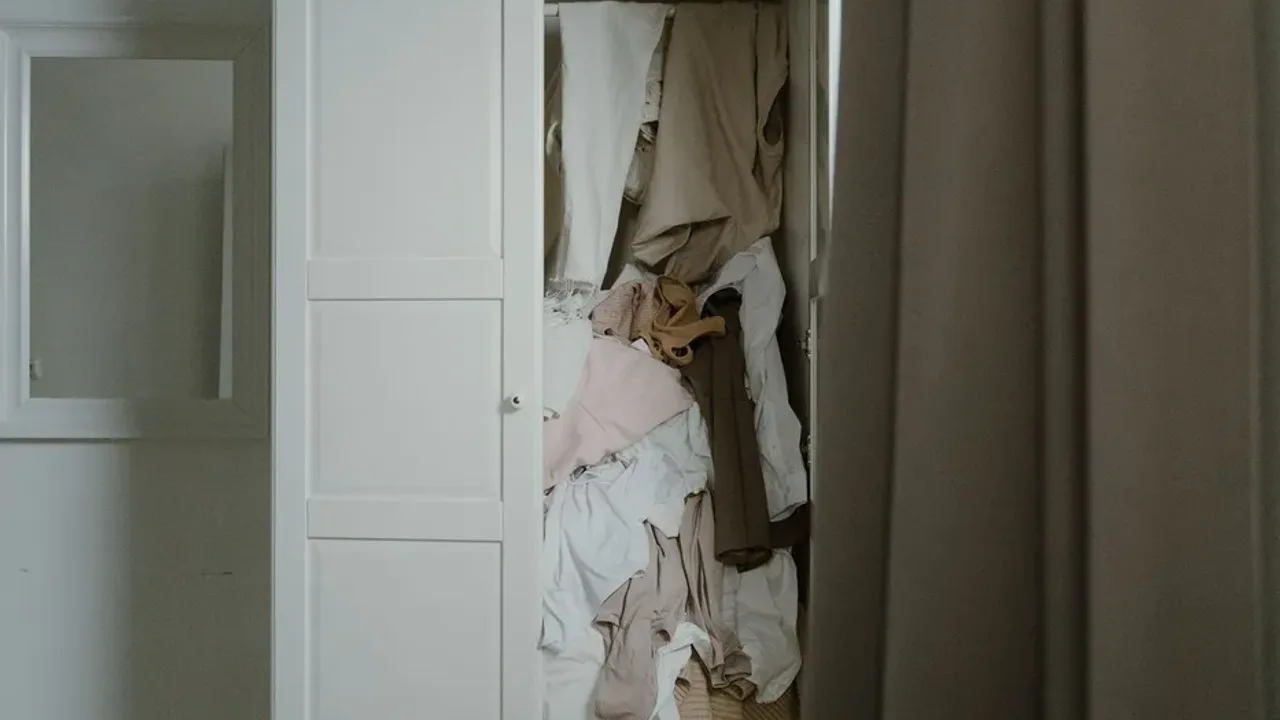
Decluttering feels hard because every item asks for a decision, and many of those decisions carry money, memory, guilt or worry about the future. This guide names the common reasons people stall, gives a practical answer to each, and explains the extra friction of Dubai life, where frequent moves, shipped belongings and tower logistics all make keeping things easier than letting them go.
A single drawer can hold forty items, and each one needs a keep, pass-on or discard decision. Few household jobs ask for that many choices in a row. By the second hour, most people slow down, start keeping things by default or stop altogether, and that is decision fatigue rather than a lack of willpower.
The difficulty also varies by item. A dried pen takes a second. A wedding gift you never liked can take ten minutes and still end up back in the cupboard. Knowing which kind of decision is slowing you down is the first step to making it faster.
Most stalled declutters involve two or three of these at once. Naming the reason out loud, such as 'I am keeping this because it was expensive', often makes the decision easier, because it separates the feeling from the object.
| Reason | What it sounds like | What helps |
|---|---|---|
| Money already spent | 'I paid a lot for this.' | Ask whether you would buy it again today at its current value. If not, sell it or pass it on. |
| Ownership itself | 'It is still perfectly good.' | Good condition is a reason to rehome it, not to store it. Someone else can use it now. |
| Obligation to a giver | 'She would be hurt.' | Keep the memory, a photo or one representative piece, and let the rest go to someone who will use it. |
| Just-in-case worry | 'I might need it.' | Apply a test such as the 20/20 rule to cheap, easy-to-replace items. |
| The hoped-for self | 'I will get back into it.' | Keep one starter set and set a date. If it is unused by then, release the rest. |
| Guilt about waste | 'It will just go in a landfill.' | Choose donation, resale or recycling routes before the session, so the exit feels responsible. |
| No clear exit | 'I do not know where it goes.' | Decide the routes first: donate, sell, recycle, separate route and rubbish. |
The just-in-case test in our guide to the 20/20 rule for decluttering works well for cheap duplicates. Keepsakes need a slower approach, set out in our guide to sentimental items.
Several features of living in Dubai make it easier to keep things than to decide about them. None of them is a reason to avoid decluttering, but each explains why a home fills up faster than expected.
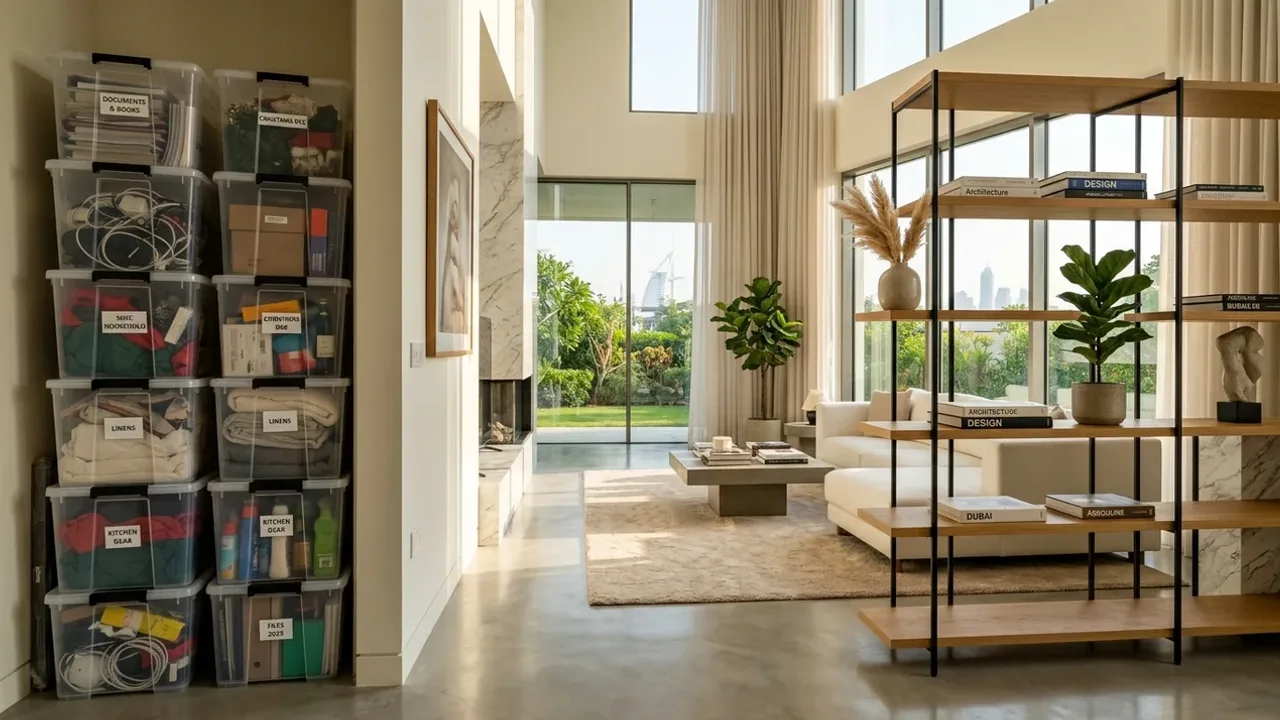
If you are deciding between keeping items in storage and letting them go, our storage versus decluttering guide sets out the trade-off. Before a relocation, the guide to packing versus purging helps you decide while the boxes are still open.
The most reliable way to make decluttering easier is to reduce the number of decisions you make while tired or emotional. Set the rules when you are calm, then follow them during the session.
Bulky items are where the last step most often fails. In a Dubai Marina tower or a JVC townhouse alike, a sofa or wardrobe that has been decided on but not moved keeps the decision open. Booking a junk removal collection for a fixed date turns the decision into a finished job.
Finding decluttering hard is common and does not mean anything is wrong. Some situations go further: severe distress at the thought of discarding anything, rooms that can no longer be used for their purpose, or conflict in the household over possessions. Those signs call for support, not a faster method.
Our article on hoarding versus clutter explains where that line usually sits, and the guide to decluttering and mental health offers a gentle, low-pressure way to begin.
As a local, fully insured team, Junk Services Dubai makes clearing your space simple — fast pickups, fair upfront pricing and responsible disposal across every Dubai community.
Book today and, where crews are free, we clear it today — with no rush surcharge.
A flat price agreed before we arrive, based on volume, items and access. No surprises.
Background-checked teams who do all the lifting and protect your floors, lifts and walls.
We sort for reuse, donation and recycling in line with Dubai Municipality guidance.
Written by
The Junk Services Dubai Team
Junk Removal Specialists
Our editorial team is made up of the crews and coordinators who clear homes, villas and offices across Dubai every day. We share practical, first-hand guidance on decluttering, disposal and responsible waste removal in the UAE.
Guilt usually comes from money already spent, a giver's feelings or worry about waste. Passing a usable item to someone who needs it addresses all three better than storing it.
Yes. Decluttering asks for many decisions in a short time, which tires most people. Shorter sessions and decisions made in advance reduce the strain.
Common reasons are the price paid, fear of needing the item later, or a plan to use it one day. Setting a date to use it or let it go breaks the loop.
Thank the giver in your mind for the thought, keep a photo if it helps, and pass the gift to someone who will use it. The gesture was the gift; the object can move on.
Start with items that carry no emotion, such as expired products, empty boxes and duplicate cables. Quick wins build momentum for harder categories.
When discarding causes severe distress, rooms can no longer be used for their purpose and the problem persists over time. In that case, support from a professional is more useful than a decluttering method.
Decluttering stops feeling impossible once you see it as a series of decisions with known sticking points. Name the reason you are holding on, settle easy items first, and give every outgoing item somewhere to go. The hard pieces become fewer each time.
When the hardest part is getting large items out of the home, WhatsApp Us photographs of the furniture and bags that are leaving and your area. Our team will confirm what can be collected and arrange a date.
GuidesHow to declutter sentimental items without guilt in Dubai. Curate family keepsakes, digitize memorabilia, overcome emotional friction, and preserve memories.
Read Article Guides
Use decluttering as a low-pressure way to reduce household friction in Dubai, with small zones, stopping rules and support when the task becomes distressing.
Read Article Guides
The eight decluttering mistakes that stall Dubai apartments and villas, from emptying every room at once to leaving outgoing bags in the car boot, with the fix for each one.
Read Article