 Guides
 6 min read
Dubai Waste Disposal Rules: What Residents Need to Know
Waste rules in Dubai arrive in three layers: the emirate, your community, and your building. Here is what each one governs and what never belongs in a bin.
Read Article
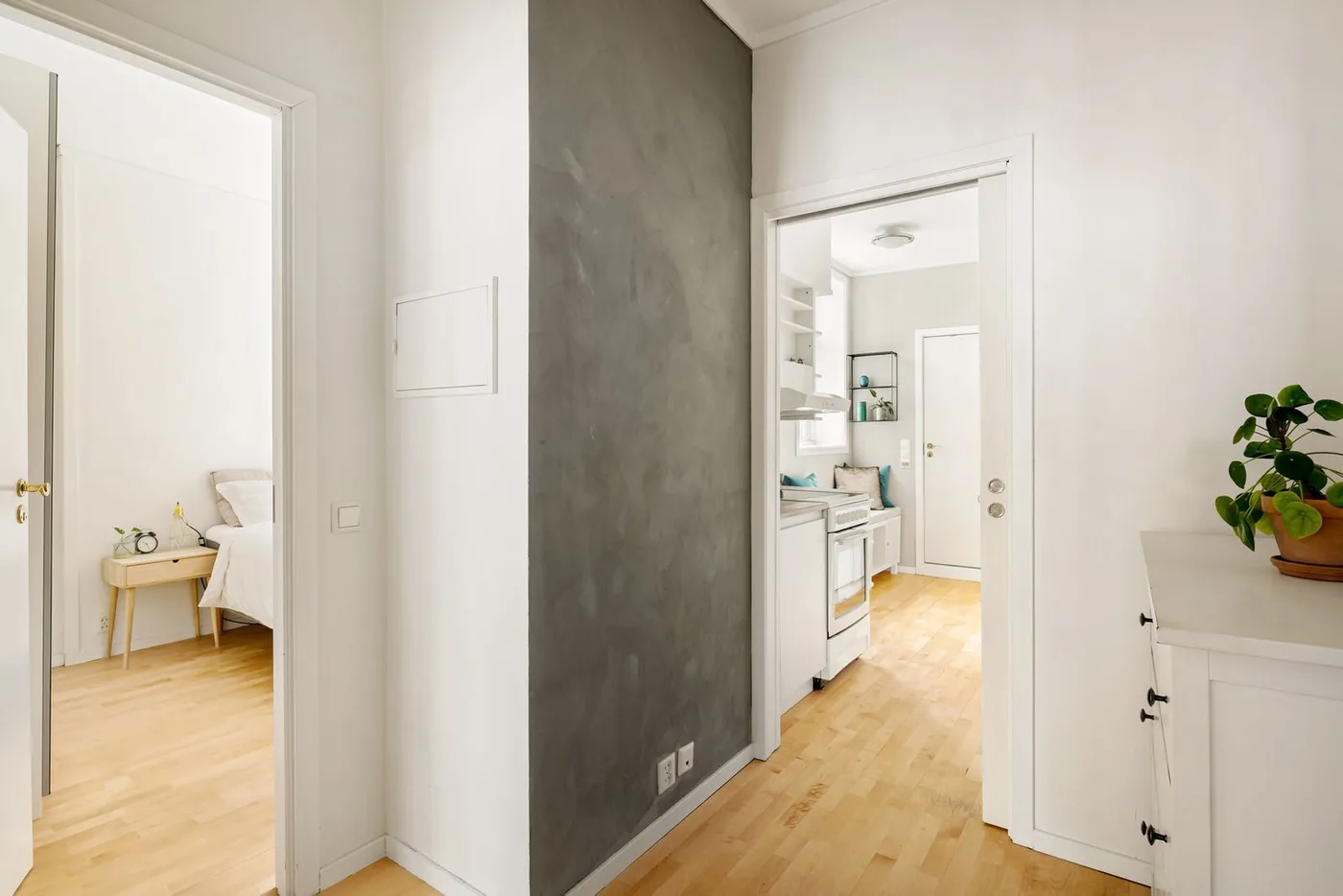
Arriving in Dubai means learning a disposal system that probably does not match the one you left behind. This guide is about the shape of that system and the order you meet it in, from your first week in a new home through your first summer. It covers what your building controls, why furnishing a home produces more waste than moving into it, and the point at which a bin stops being an option.
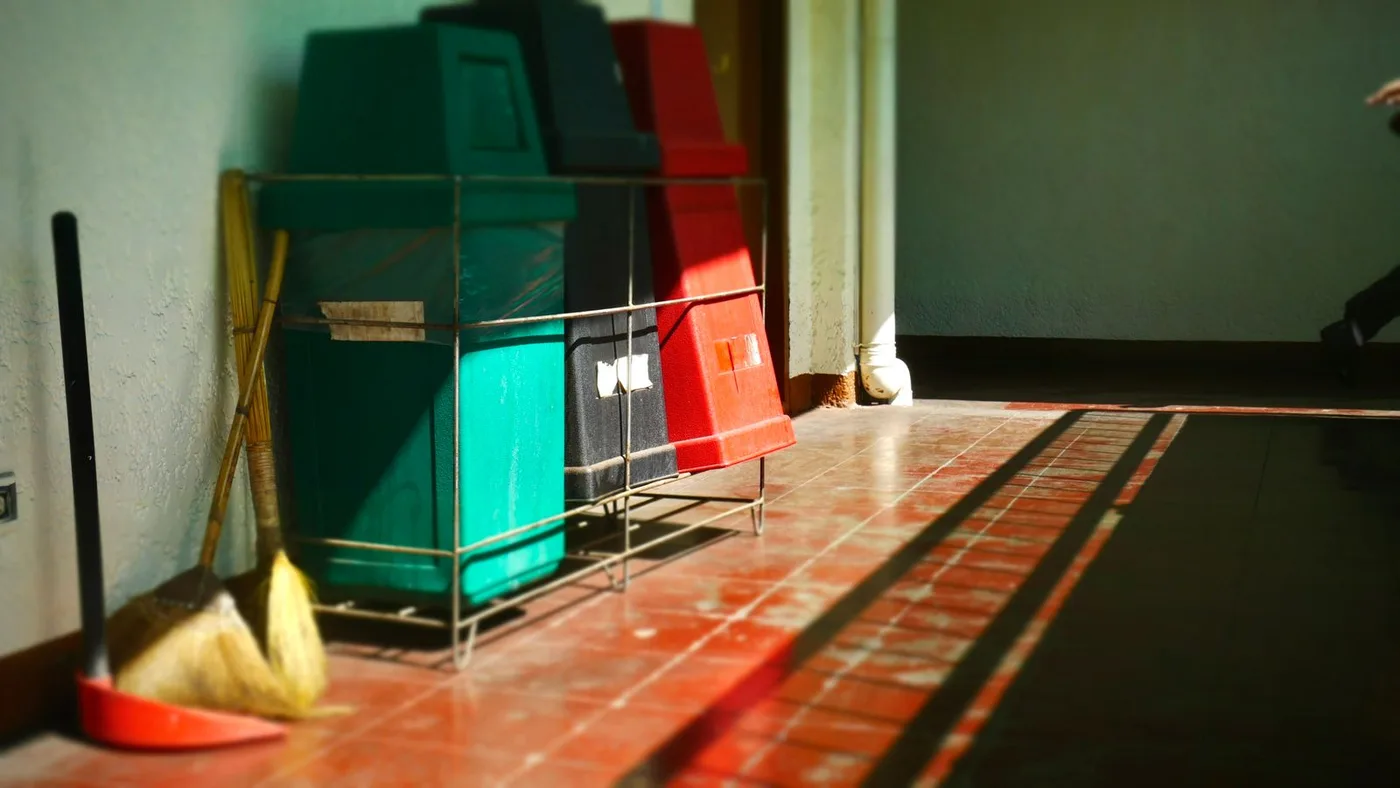
Most newcomers arrive with a mental model built somewhere else. Four parts of it do not transfer.
The practical consequence is that most questions get answered locally. The person who knows is usually your building's facilities team.
Learn this in your first week, before you need it. The information takes one conversation and saves the first awkward mistake.
What belongs in a household bin in the first place is consistent across Dubai, and is set out in Dubai waste disposal rules. The building layer sits on top of that, and it is the one that changes from address to address.
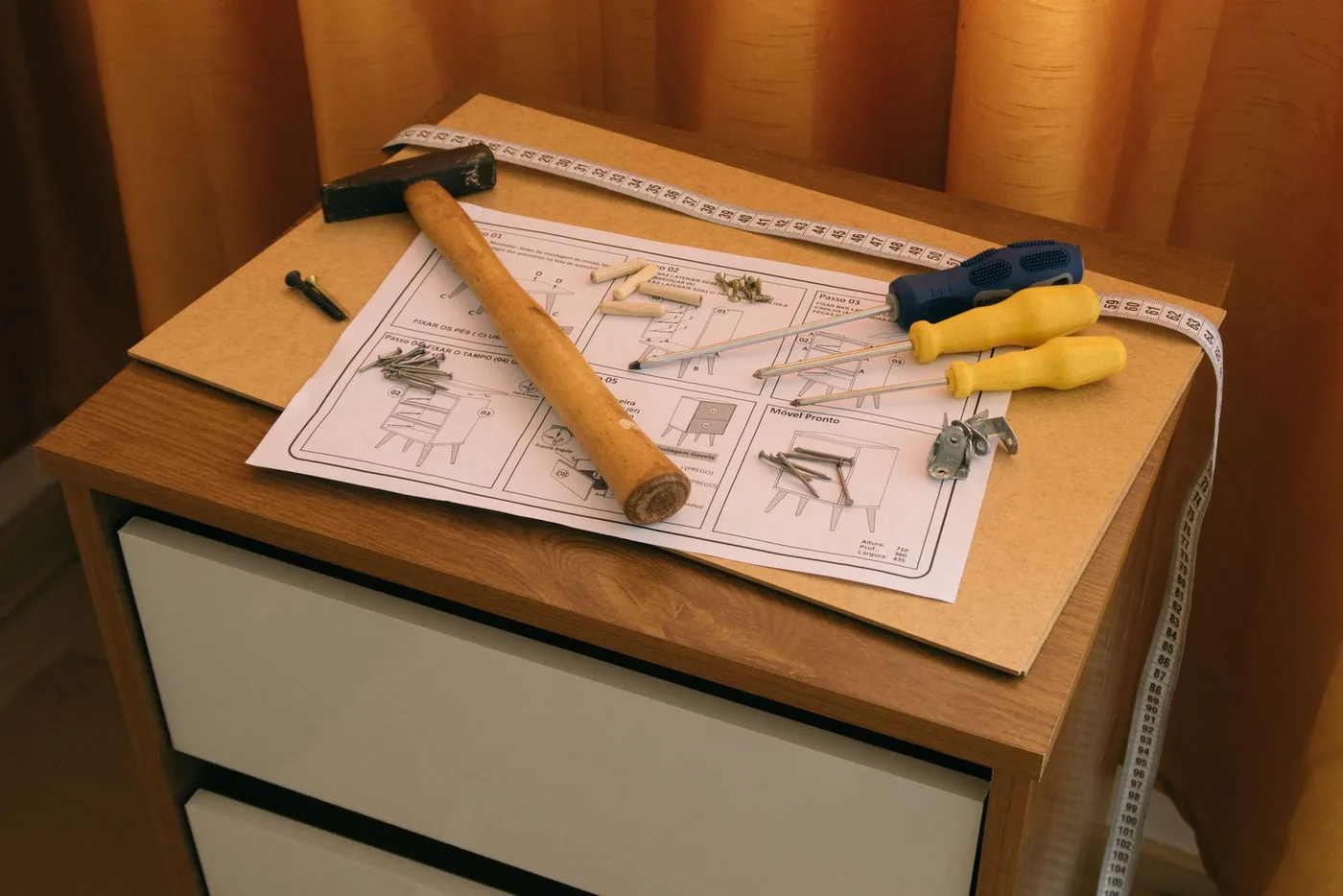
The waste that surprises new arrivals is not what came in the shipping container. It is what comes off the new furniture.
An empty apartment furnished across three or four weekends produces packaging in batches, arriving as each delivery lands rather than all at once.
This is a different problem from the debris a move itself creates. Packing cartons, wrap and tape from a relocation are covered in moving day waste disposal. Furnishing waste arrives later, in smaller batches, across a longer period.
What you receive on day one decides what you will eventually have to remove.
| Handover type | What you receive | What you eventually clear |
|---|---|---|
| Empty | A bare unit, sometimes without white goods | Everything you buy, plus all the packaging it arrives in |
| Part-furnished | Usually white goods and fitted storage | Your own additions, and any appliance you replace during the tenancy |
| Fully furnished | Furniture, white goods and often soft furnishings | Little of the furniture, but check the inventory before removing anything |
In a furnished or part-furnished home the inventory decides what you may remove at the end. Anything listed on it stays with the property, whatever condition it is in by then.
That distinction matters most at the other end of a tenancy, and is dealt with in move out furniture disposal.
Between roughly May and September the heat changes how fast waste becomes a problem. The rules do not change, the tolerances do.
The habit worth building is to keep organic waste moving daily and to deal with packaging in the week it arrives, rather than letting it stack in a spare room until the weather turns.
A household bin takes bagged general waste and, where your building separates it, everyday recyclables. Everything past that line needs a booked collection.
Furniture, appliances, electronics and large volumes of a single material all sit outside what a bin accepts. A booked junk removal collection covers those at a time you choose, with lift and access arranged in advance.
For a first booking, photographs are the fastest route. A picture of the item, and of the corridor or stairwell it has to travel through, tells a crew more than a description does.
As a local, fully insured team, Junk Services Dubai makes clearing your space simple — fast pickups, fair upfront pricing and responsible disposal across every Dubai community.
Book today and, where crews are free, we clear it today — with no rush surcharge.
A flat price agreed before we arrive, based on volume, items and access. No surprises.
Background-checked teams who do all the lifting and protect your floors, lifts and walls.
We sort for reuse, donation and recycling in line with Dubai Municipality guidance.
Written by
The Junk Services Dubai Team
Junk Removal Specialists
Our editorial team is made up of the crews and coordinators who clear homes, villas and offices across Dubai every day. We share practical, first-hand guidance on decluttering, disposal and responsible waste removal in the UAE.
Ask your building or community management three things in your first week: where the bins are, whether bagged waste can be left outside your door, and which lift is the service lift. Those answers cover most everyday disposal decisions.
No. There is no scheduled kerbside collection day for residents' bulky items here. Anything too large for a bin is arranged as a private booked collection at a time that suits you.
Only where your building allows it, and many do not. Corridors are escape routes, so packaging left outside a door is often removed or reported. Check with building management before assuming it is acceptable.
No. Some towers and communities provide separated containers and others collect everything together. Your own building's arrangement is the one that applies to you, so ask rather than assume a single standard.
That depends entirely on the retailer. Some remove the old unit as part of the delivery and many do not. Where they do not, the old appliance stays with you until a collection is booked.
It changes the timing rather than the rules. Organic and food waste needs to move daily through the hotter months, and packaging should not be stored on a balcony where heat and wind break it down.
The inventory taken at handover is the record. Anything listed on it belongs to the property and stays when you leave, regardless of who used it or what condition it has reached.
The system here is not harder than the one you left, it is arranged differently. Once you know that your building holds the daily rules, and that anything large is a booked service rather than a scheduled one, most of the early confusion resolves itself.
Give it one conversation in your first week, and deal with packaging in the week it arrives. For everything a bin cannot take, a booked waste removal collection handles the rest.
New to Dubai and sitting on flattened cartons, appliance packaging or a piece of furniture that will not fit in the service lift? Send us photographs and your building name.
WhatsApp Us the photos, Book a Pickup for a weekend slot, or Arrange Collection once your building has confirmed the lift booking.
GuidesWaste rules in Dubai arrive in three layers: the emirate, your community, and your building. Here is what each one governs and what never belongs in a bin.
Read Article Guides
A household guide to sorting waste in Dubai: the four streams worth separating, where the containers physically go in an apartment and a villa, and the rinse habit the summer heat makes essential.
Read Article Guides
A house move creates its own waste: cartons, wrap, foam and the odds and ends nobody claims. When to clear it, how to flatten it, and why a tower and a villa handle it differently.
Read Article