Office Storeroom Clearance in Dubai: Sort Before You Empty
The Junk Services Dubai Team 5 min read
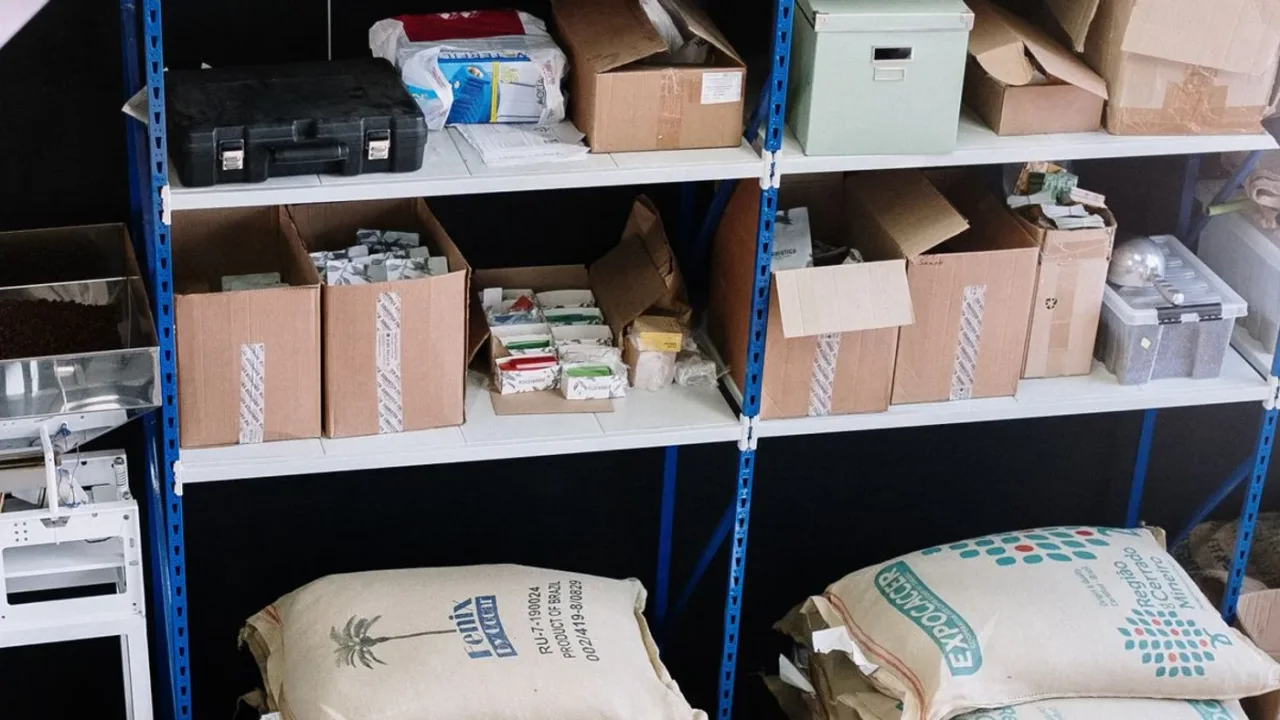
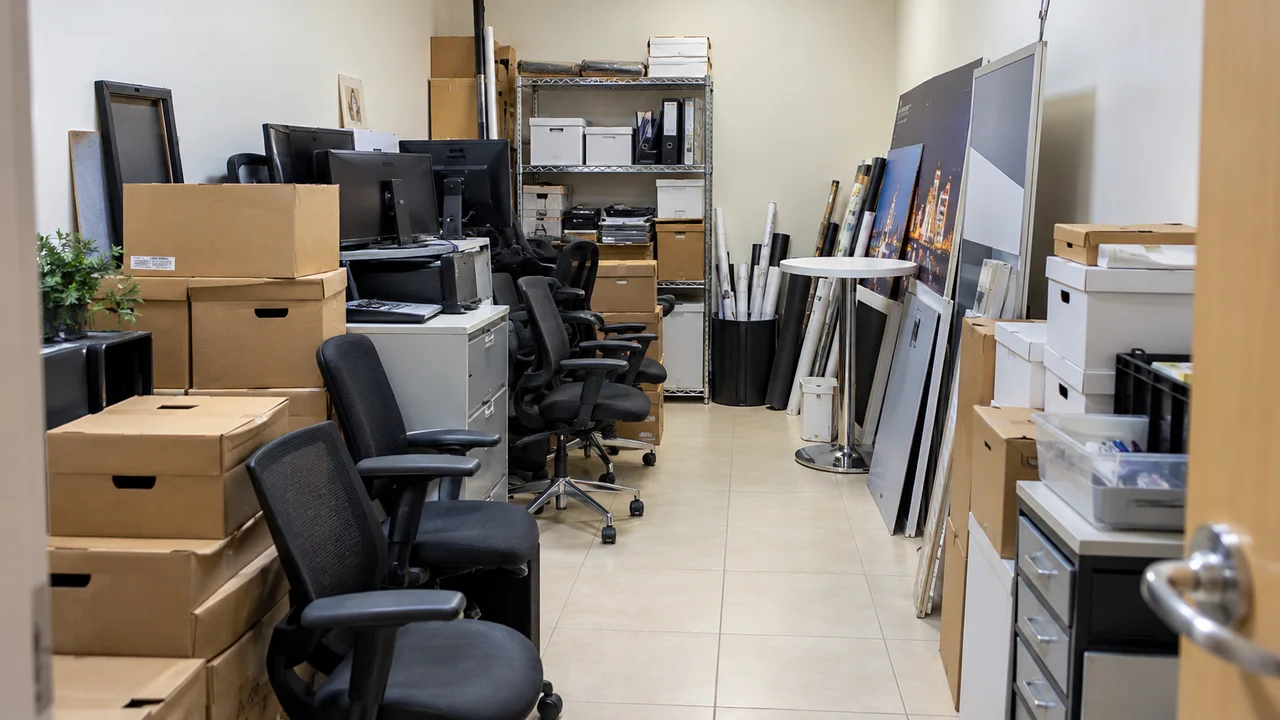
An office storeroom usually holds several ownership and disposal problems in one small space. Archive cartons, spare chairs, obsolete monitors, event materials, stationery and supplier equipment may look like one accumulated load, but each category needs a different decision. This guide explains how to restore safe access, identify what is inside and clear only the approved surplus from a Dubai workplace.
Do not begin by dragging the nearest boxes into the corridor. Check whether the door opens fully, whether unstable items can fall and whether electrical panels, sprinklers or fire equipment are obstructed. Create one clear route from the doorway, working from the accessible edge instead of climbing over contents.
Stop access if shelving is leaning, overloaded or no longer fixed as intended.
Do not open unmarked chemical, battery or liquid containers during a general clearance.
Keep the corridor and fire door clear while contents are assessed.
Use a trolley for boxed records and devices rather than building a second floor pile.
Photograph every shelf bay before moving its contents.
A rented self-storage unit has a different access pattern. The site's storage unit clean-out guide covers facility gates and unit access, while an internal office storeroom must stay coordinated with staff, records owners and the commercial building.
Inventory by Category and Owner
Count categories by shelf or floor zone. A line-by-line list is useful for assets and records, while ordinary packaging can be estimated by bags or flattened bundles. Mark who can make the decision for each category so facilities staff do not discard finance files, IT does not inherit promotional stock and the clearance crew is not asked to interpret company policy.
Storeroom category
Decision needed
Responsible owner
Archive cartons
Retain, digitise or approved destruction
Records, legal or finance lead
Computers and screens
Redeploy, data-clear or recycle
IT asset owner
Marketing materials
Keep current stock or retire obsolete material
Marketing or brand lead
Spare furniture
Return to use, sell, donate or remove
Facilities or asset owner
Supplier equipment
Return under the contract
Procurement or contract owner
Packaging and loose waste
Recycle or approved collection
Facilities coordinator
The person who owns the business decision should approve the route before physical removal begins.
Separate Records and Data-Bearing Equipment
Dates written on cartons do not prove that records can be destroyed. The records owner must apply the organisation's retention policy and any hold instructions. Keep approved destruction separate from ordinary paper recycling, and do not leave files visible in a shared loading area.
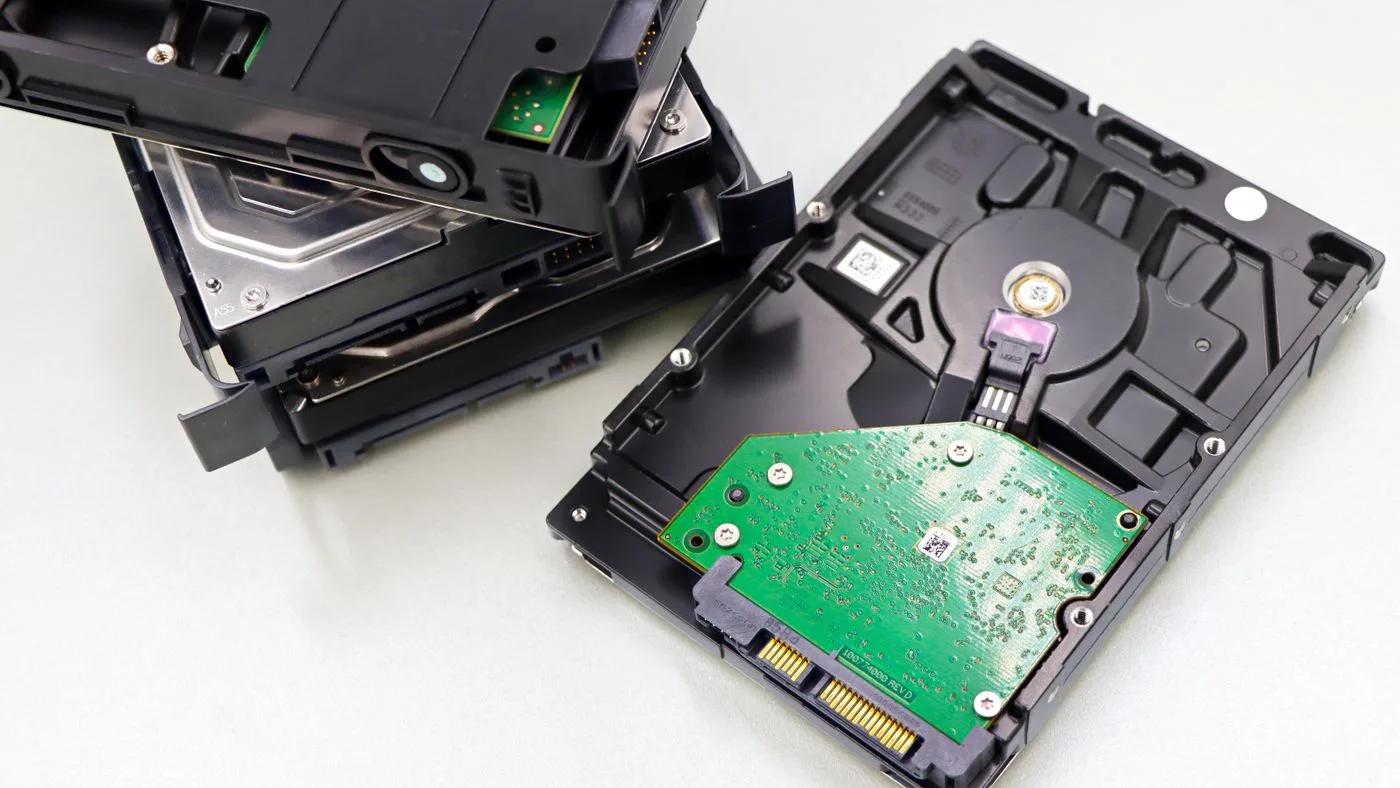
Old computers, loose drives, phones and multifunction devices need an IT decision even if they no longer power on. Remove asset labels only under company policy and use the data-destruction guide for office electronics to plan the device stream. Empty filing cabinets only after the paper route is settled.
Restricted: Confidential records, drives and devices awaiting an authorised route.
Retain: Active files, spare equipment and stock with a named destination.
Return: Leased machines, refillable containers or supplier-owned materials.
Reuse: Sound furniture, stationery and current promotional material needed elsewhere.
Collect: Approved non-hazardous surplus separated for removal or recycling.
Sort Mixed Contents Into Visible Zones
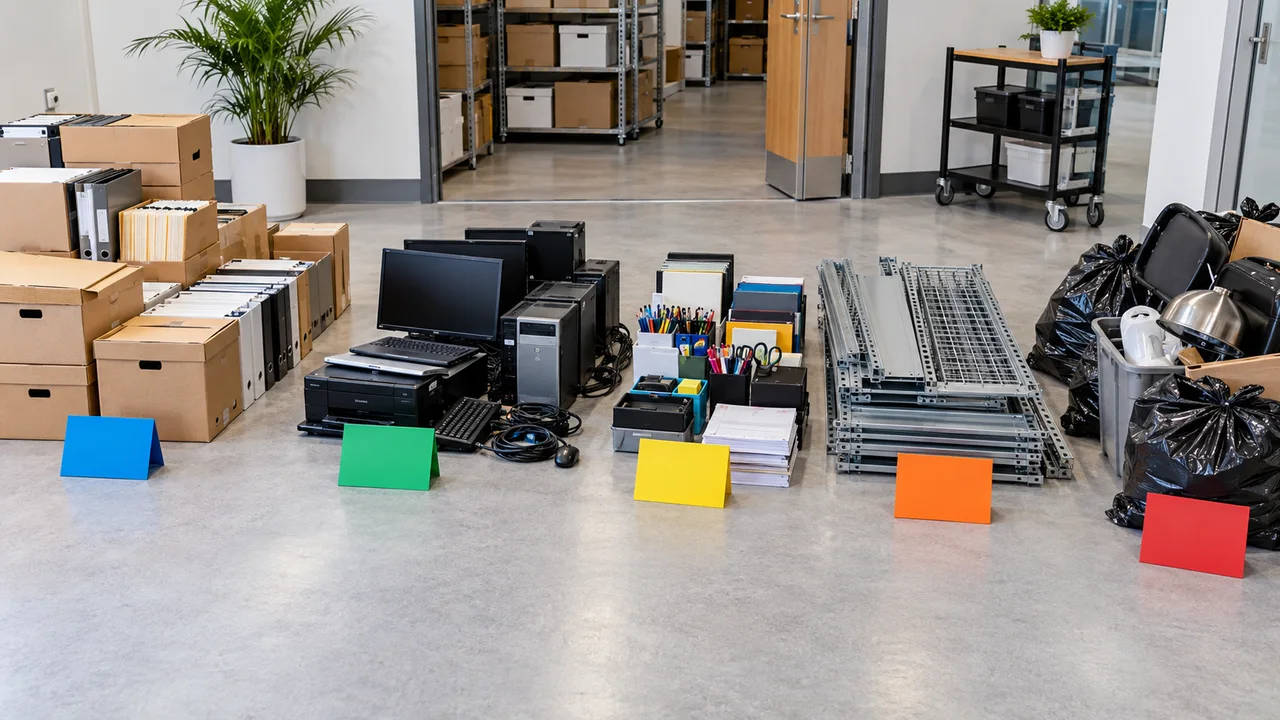
Set up zones close enough for efficient handling but outside escape routes. Blank colour cards or a simple code work better than long handwritten notes. Keep small valuable items in lidded containers, place reusable furniture parts together and flatten empty cartons only after confirming that nothing remains inside.
Visible sorting zones keep records, electronics, reusable supplies and approved removals from mixing again.
1Create the safe aisle and photograph the untouched room.
2Move restricted records and data devices to controlled zones first.
3Remove supplier-owned and retained items from the clearance decision area.
4Group reusable furniture, stationery and current stock by destination.
5Separate clean cardboard, metal and electronics from general discards.
6Count the approved load and photograph the route for the collection team.
Decide What Happens to Shelving and Cabinets
Freestanding boltless shelving and filing cabinets can join the load once they are empty and approved. Photograph shelf positions before dismantling reusable units, keep braces and fasteners together, and remove filing-cabinet drawers where needed for safer carrying. Fixed joinery, building services and structural racking require separate assessment and may sit outside ordinary junk removal.
The dedicated guides to metal shelving removal and filing cabinet disposal cover dismantling and emptying those items in more detail. Do not use a general storeroom booking to imply cutting anchors or altering the building fabric.
Plan the Lift, Loading Bay and Collection Window
A small room can produce a large load because its shelves use height efficiently. Count the contents after sorting, not from the doorway. Send photos of the heaviest cabinets, device quantities, cartons, dismantled shelf parts and the route to the service lift. Confirm contractor registration and loading access with the building team.
Reserve enough time for trolley trips from the back room to the service lift.
Keep confidential material away from shared corridors and loading areas.
Protect reusable furniture and electronics from mixed loose waste.
State any stairs, narrow doors or long basement carrying distance.
Schedule final cleaning after the bulky load has left.
Verify the Empty Room and Prevent a Repeat
Open every remaining carton and cabinet with the responsible owner, then check behind shelving and above cupboards. Reconcile retained and returned assets against the list. Record anything deliberately left in place, including fixed shelving or restricted material awaiting a specialist route.
Give the cleared room named zones and capacity limits before it fills again. Date new cartons, assign an owner and remove obsolete stock on a scheduled review rather than waiting for the door to stop opening. The result should be usable storage with a maintained aisle, not an empty room that immediately becomes an untracked drop point.
Key Takeaways
Create a safe aisle before moving mixed storeroom contents.
Assign records, IT, stock and supplier assets to named decision owners.
Sort into visible zones before estimating the collection load.
Document the empty room and introduce ownership and capacity controls.
Why Choose Junk Service in Dubai
As a local, fully insured team, Junk Services Dubai makes clearing your space simple — fast pickups, fair upfront pricing and responsible disposal across every Dubai community.
Same-Day Availability
Book today and, where crews are free, we clear it today — with no rush surcharge.
Fair, Upfront Pricing
A flat price agreed before we arrive, based on volume, items and access. No surprises.
Insured, Uniformed Crews
Background-checked teams who do all the lifting and protect your floors, lifts and walls.
Responsible Disposal
We sort for reuse, donation and recycling in line with Dubai Municipality guidance.
Our editorial team is made up of the crews and coordinators who clear homes, villas and offices across Dubai every day. We share practical, first-hand guidance on decluttering, disposal and responsible waste removal in the UAE.
FAQ
Frequently Asked Questions
Yes, once records, devices, supplier assets and retained stock have approved destinations. Unresolved ownership or confidential material should stay outside the collection load.
Not until the records owner authorises their route. Confidential or retained files must remain controlled and separate from general cardboard and paper.
Freestanding shelving can be agreed after it is emptied and assessed. Anchored, structural or specialist racking may require another contractor.
Set unknown liquids, batteries and other specialist materials aside and identify the correct disposal route. Do not hide them inside a general office clearance load.
Pricing depends on sorted volume, weight, dismantling, carrying distance and building access. Photos taken after sorting give a more accurate scope than a single doorway view.
Business owners should decide records, data, ownership and retention before arrival. The clearance team can then handle approved lifting, dismantling and collection.
Final Thoughts
A storeroom becomes manageable when ownership and destination are visible. Secure the sensitive streams, restore a safe route, sort the approved load and finish with controls that stop the room returning to the same condition.
Arrange Collection From Your Office Storeroom
WhatsApp Us photos of the sorted contents, large items, service route and building requirements. We can collect approved office furniture and non-hazardous surplus once records and specialist materials are separated.
What an office clearance involves when a lease ends in Dubai: which contents leave and which fittings stay, the handback sequence, how to phase the work around a trading business, and where the service stops.
Every office clearance moves devices that still hold company data, and several of them are not the ones people think of. Here is which devices to check, when wiping is enough, and where certified destruction fits.
How to clear unwanted metal shelving in Dubai: unload it safely, decide whether to dismantle, keep the parts together for reuse and send damaged steel to metal recovery.

 Guides