Recycling for Kids in Dubai: A Practical Learning Guide
The Junk Services Dubai Team 5 min read
Children learn recycling best through a small repeated job, not a long list of symbols. A Dubai household can teach the subject with one clean item at a time: what it is made from, whether the building accepts it, how to prepare it and what should never enter the family sorting area. The goal is careful thinking, not asking children to manage unsafe waste.
If the lesson starts with a recycling bin, children may assume that buying and discarding are harmless as long as an item looks recyclable. Begin with a better order: do we need it, can we use it again, can someone else use it, and only then can its material enter an accepted recycling stream? This turns recycling into one decision in a wider waste-prevention habit.
1Refuse an unnecessary single-use item when there is an easy alternative.
2Reduce by choosing only the quantity the family will use.
3Reuse containers, books, toys and supplies while they remain suitable.
4Repair or pass on complete items when an adult confirms they are safe.
5Recycle clean accepted material and treat the remaining material as residue.
Keep the words linked to visible actions. A refillable bottle demonstrates prevention; a book passed to a cousin demonstrates reuse; a rinsed can demonstrates preparation. Children remember the object and the action together.
Give Each Age Group a Safe Role
The right task depends on attention, coordination and household rules, not only age. Adults should inspect every item first and supervise the activity. The table below is a conservative starting point rather than a test a child has to pass.
Stage
Suitable learning role
Adult responsibility
Early years
Match clean paper, a can and a plastic bottle to picture cards
Select and wash every item in advance
Primary years
Identify material, flatten a clean carton and record weekly counts
Confirm what the building accepts
Older children
Help audit packaging and suggest one prevention change
Review choices and handle uncertain items
Teenagers
Help plan a family challenge and research product durability
Approve purchases, routes and any public information used
Children can own the observation and sorting habit while adults retain responsibility for safety and disposal decisions.
Run the One-Item Material Lesson
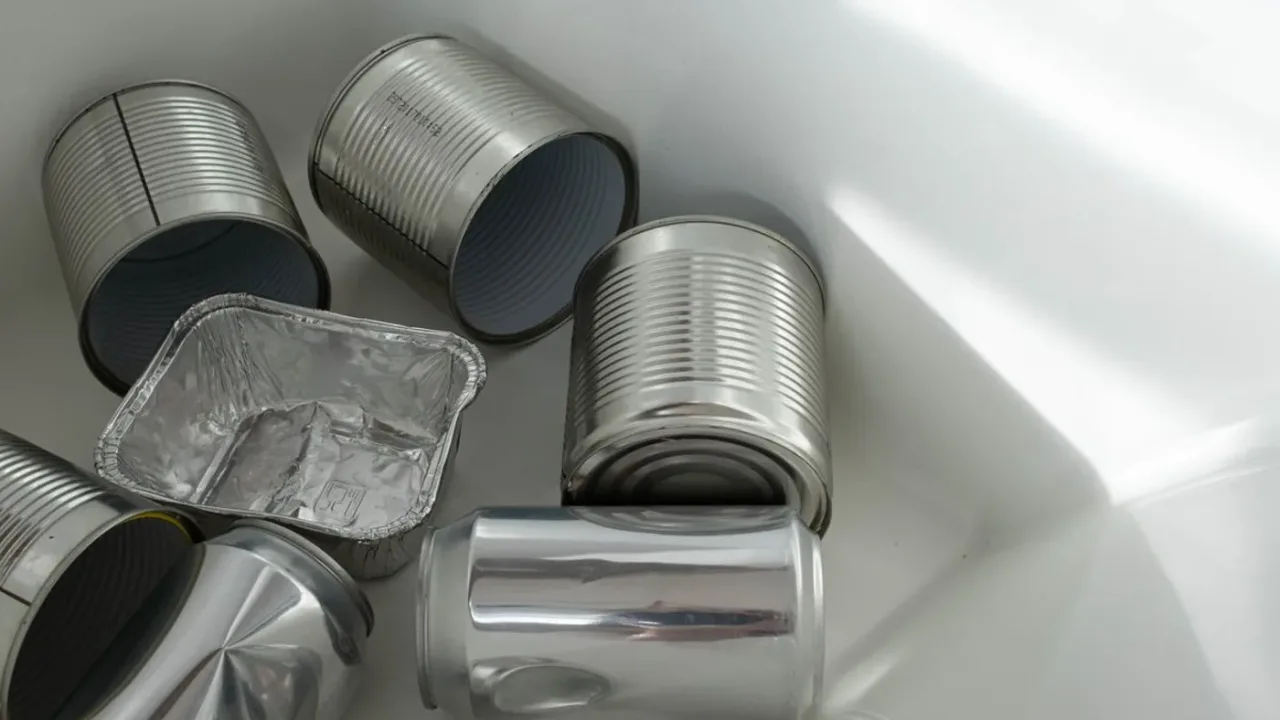
Choose one clean, familiar object such as a drinks can, cardboard cereal box or clear bottle. Ask five questions: What job did it do? What is it mostly made from? Could we have avoided or reused it? Does our actual collection accept it? What preparation does it need? One object is enough for a ten-minute lesson.
Clean, dry and blunt-edged examples let children study a material without handling kitchen residue or unknown waste.
Do not teach acceptance from a recycling symbol alone. Packaging can combine layers, and buildings use different collection arrangements. Show children that checking the real household route is part of the skill. Our home waste-segregation guide explains the adult setup behind the lesson.
Build a Small Dubai Home Sorting Station
Use the fewest containers the household needs. A small labelled box for clean dry material beside the adult-managed general bin is often easier to teach than a row of colours that do not match the building. Add simple picture labels for the accepted materials, and place the station away from cooking heat, liquids and cleaning products.
Look: Identify the main material and notice attached lids, film, food or mixed layers.
Check: Compare the item with the building or collector's current accepted list.
Prepare: Let an adult rinse, drain and inspect; the child can flatten safe dry card.
Place: Put the item in the labelled home container without guessing.
In an apartment, the child can help carry a lightweight closed household box while an adult handles the bin room. In a villa, an adult should manage outdoor bins and any street-facing collection point. The child learns the routine without entering service areas or handling other people's waste.
Make Safety Rules Non-Negotiable
A recycling activity should use items chosen by an adult, not material retrieved from a mixed bin. Glass can break, metal edges can cut, batteries can leak or overheat, and unknown containers may hold residue. Hygiene matters too: food-soiled packaging and household rubbish are not teaching props.
Adults isolate all batteries, electronics, medicines, chemicals and unknown liquids.
Use only clean, dry examples inspected before the activity begins.
Wash hands after sorting even when the examples looked clean.
Stop the activity when an item is damaged, dirty, leaking or uncertain.
Try a Seven-Day Family Recycling Project
A short project makes the lesson measurable without turning the home into a storage facility. Choose one stream the building accepts, such as clean card or metal packaging. Count items for seven days, note which purchases created them and choose one realistic prevention change for the following week.
1Day one: draw the journey from purchase to use to the household container.
2Days two to six: count only clean accepted items, with an adult checking each one.
3Mark any rejected item and write the reason, such as food residue or mixed material.
4On day seven, choose one package the family can avoid, refill or buy less often.
5Repeat the count once and compare both the recycling and residual totals.
Praise accurate rejection as much as correct recycling. A child who says ‘I do not know; an adult should check’ has learned a valuable rule. The project succeeds when the family creates less confusion and less residue, not when every container is full.
Connect Recycling to Toys, School and Clear-Outs
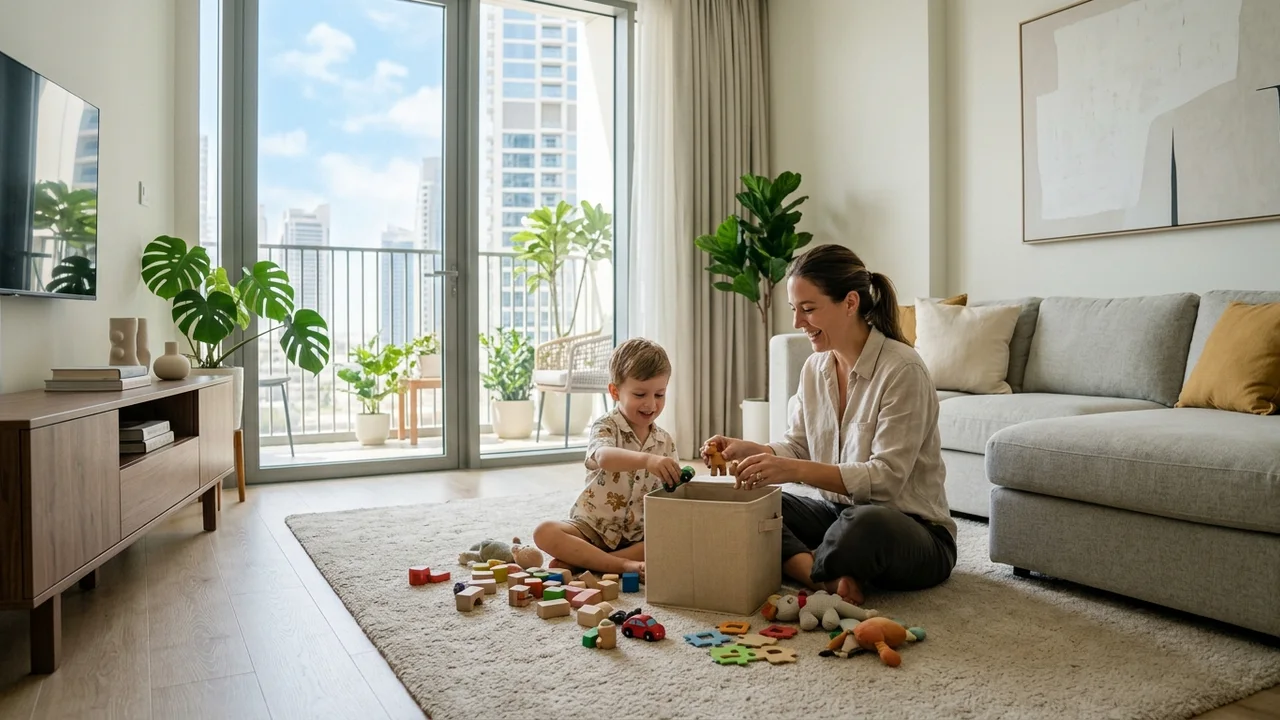
Apply the same thinking to possessions. Keep complete toy sets together, protect books from moisture and return borrowed school supplies. When a child outgrows something, discuss reuse while the item is still clean and complete. The separate guide to decluttering with children covers ownership decisions; this lesson stays focused on material literacy and the recycling routine.
For a larger family clear-out, adults should sort working possessions, recyclable materials and residue before a crew arrives. Children can label their approved keep and pass-on boxes, but they should not enter loading areas or decide the route for batteries, electronics or damaged goods.
Key Takeaways
Teach prevention and reuse before recycling so the bin is not presented as the first answer.
Give children small supervised roles while adults inspect items and control every safety-sensitive decision.
Use one clean familiar item to teach material, local acceptance, preparation and destination.
Base home labels on the building or collector's actual streams, not a universal colour assumption.
Measure accurate choices and reduced waste rather than trying to fill the recycling container.
Why Choose Junk Service in Dubai
As a local, fully insured team, Junk Services Dubai makes clearing your space simple — fast pickups, fair upfront pricing and responsible disposal across every Dubai community.
Same-Day Availability
Book today and, where crews are free, we clear it today — with no rush surcharge.
Fair, Upfront Pricing
A flat price agreed before we arrive, based on volume, items and access. No surprises.
Insured, Uniformed Crews
Background-checked teams who do all the lifting and protect your floors, lifts and walls.
Responsible Disposal
We sort for reuse, donation and recycling in line with Dubai Municipality guidance.
Our editorial team is made up of the crews and coordinators who clear homes, villas and offices across Dubai every day. We share practical, first-hand guidance on decluttering, disposal and responsible waste removal in the UAE.
FAQ
Frequently Asked Questions
Use three clean items selected by an adult and ask the child to match each one to a picture of paper, metal or plastic. Keep the activity short.
An adult should empty, rinse and inspect containers first. Older children can help with a clean item under supervision, but they should not handle food residue or unknown contents.
Teach the labels used by your actual building or collector. Colours are not reliable enough to use as a universal rule across every Dubai property.
Keep children away from glass, sharp metal, batteries, electronics, lamps, chemicals, medicines, pressurised containers, dirty waste and anything leaking or unknown.
Explain that the wrong item or leftover food can spoil a clean material group, just as a wet page can damage other papers in the same bag.
Choose one confirmed stream, publish a simple accepted-item list, have adults monitor it and record why incorrect items were rejected rather than silently moving them.
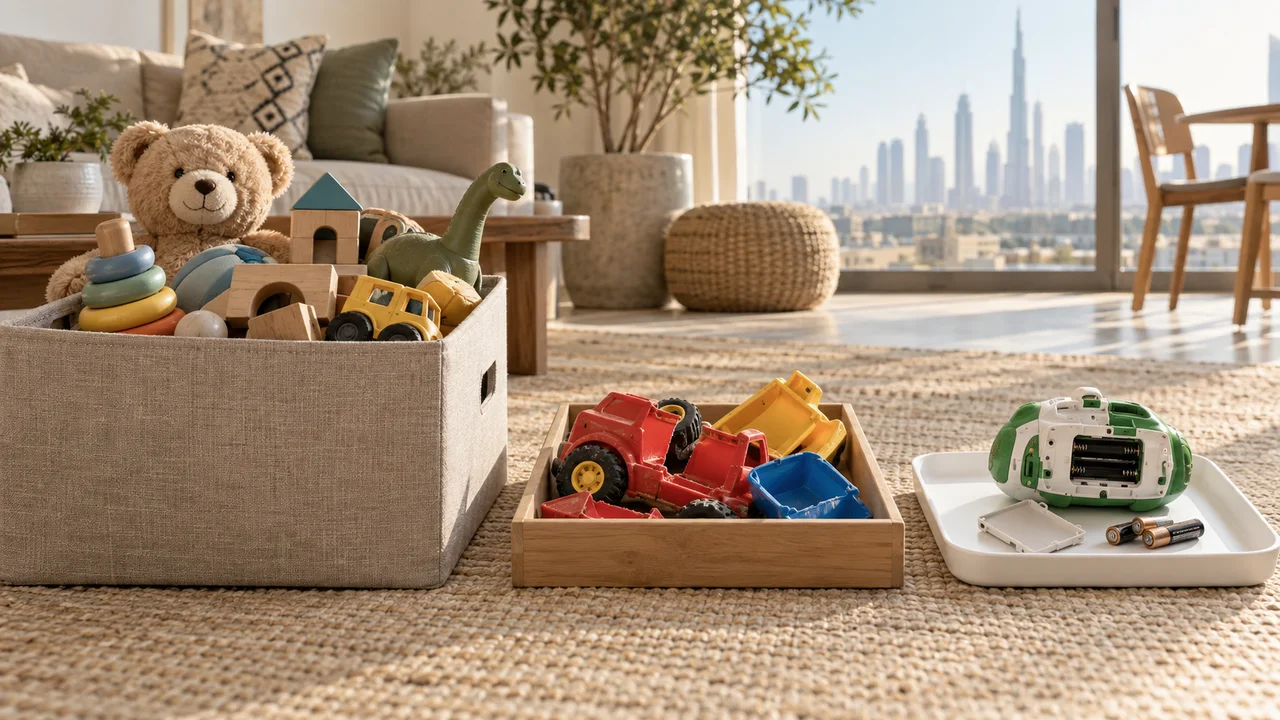
Keep complete usable toys together for reuse or donation after an adult safety check. Separate batteries and send broken mixed-material toys through a confirmed route rather than guessing.
Final Thoughts
A child does not need to memorise every package symbol to understand recycling. Teach a dependable sequence: prevent, reuse, identify, check, prepare and place. Make asking an adult the correct response whenever an item is uncertain.
Book a Pickup After the Family Sort Is Complete
For a larger household clear-out, WhatsApp Us photographs of the adult-sorted load and identify reusable items, dry materials and residue. We will confirm the collection scope and access plan before arrival.
A household guide to sorting waste in Dubai: the four streams worth separating, where the containers physically go in an apartment and a villa, and the rinse habit the summer heat makes essential.
How to declutter your Dubai home with kids around. Time-boxing strategies, toy rotation routines, managing resistance, and age-appropriate donation lessons.
Sort unwanted toys by safety, condition and construction. Learn what can be donated, what may be recycled and why batteries and missing parts need separate attention.

 Guides